



1. Invest in a Good Knife Sharpener
A high-quality knife sharpener is essential for maintaining your kitchen knives. Consider two types: handheld sharpeners and electric sharpeners. Handheld models are portable and easier to use for beginners, while electric sharpeners provide professional-quality results with minimal effort. Look for a sharpener that allows you to adjust the angle to match the manufacturer’s specifications for your knives.
2. Use a Honing Steel Regularly
Honing steel is an indispensable tool for preserving the edge of your knife. It doesn’t actually sharpen the blade but aligns the edge for smoother cutting. Use the honing steel every few uses to maintain the sharpness. Hold the steel vertically and draw the knife downwards at a 20-degree angle, alternating sides with each stroke. This simple technique can help your knives perform optimally and extend their lifespan.
3. Choose the Right Cutting Board
The material of your cutting board can significantly affect the sharpness of your knives. Glass or ceramic boards can dull blades rapidly; instead, opt for wood or plastic cutting boards, which are more forgiving to knife edges. Wood boards, particularly those made from hardwood like maple or walnut, are gentle on knife blades and also have natural antibacterial properties, which is a bonus for food safety.
4. Clean and Dry Knives Properly
After each use, wash your knives with mild soap and warm water. Avoid dishwashers as the heat and movement can lead to chipping and dulling the blades. Dry knives immediately with a soft cloth to prevent moisture from causing rust. Store them in a designated area, such as a knife block or magnetic strip, to avoid accidental damage while cleaning other items.
5. Store Knives Correctly
Proper storage is crucial for maintaining knife sharpness. Knife blocks are a popular choice because they keep the blades covered and protected. A magnetic strip offers an attractive alternative, allowing for easy access while preventing the blades from rubbing against each other. Avoid tossing knives into drawers where they can knock against other utensils or the sides of the drawer, which can dull the edge.
6. Sharpen with the Right Angle
Different types of knives require specific angles for sharpening. For instance, Western-style knives typically need a sharpening angle between 20 to 22 degrees, while Japanese-style knives often require a 15 to 18-degree angle. Knowing the correct angle for each knife will ensure a precise and effective sharpening process. This knowledge will not only enhance performance but also prolong the life of the blade.
7. Whetstones for the Proficient User
For those who are more experienced or willing to learn, sharpening knives with a whetstone can produce the best results. Whetstones come in various grits; the higher the grit, the finer the edge. Start with a coarse grit (around 1000) for dull knives, then transition to a finer grit (3000 or higher) for a polished edge. Keep the blade at the correct angle, and use smooth, even strokes. Regularly soaking the stone in water before use can also improve results.
8. Avoid Cutting on Hard Surfaces
Using hard surfaces like glass or stone countertops can quickly dull your knife blades. Always use a softer surface, such as wood or plastic, to protect the edge. This small change can significantly prolong the life of your knives. It’s also beneficial to maintain a separate cutting board for specific food types (e.g., vegetables, meats) to minimize damage from tough cuts.
9. Regularly Inspect Your Knives
Make it a habit to inspect your knives regularly for any signs of dullness, nicks, or damage. Run your fingers gently along the blade to feel for irregularities—this can often indicate that it needs sharpening. If you notice any major damage, it may be best to consult a professional knife sharpener rather than attempting to fix it yourself.
10. Use Your Knives Frequently
Surprisingly, using your knives frequently can help maintain their sharpness. Regular cutting keeps the blade edge aligned and reduces the likelihood of damage. However, this does not mean you should use them recklessly. Always use the appropriate knife for the task, as using a chef’s knife for a job suited for a paring knife can lead to premature dulling and foreclosure of the blade.
Additional Tips
Know When to Replace Knives: Sometimes, despite your best efforts, knives may become irreparable. Be aware of when it’s time to invest in a replacement rather than risking injury or poor cooking results with a dull knife.
Avoid Cutting Frozen Foods: Frozen foods can be excessively tough and can cause severe damage to knife edges. Thaw foods beforehand to ensure your knives remain sharp longer.
Keep Knives Dry: Moisture can lead to rust and deterioration. Avoid leaving knives in the sink and ensure they are fully dried before storing them away.
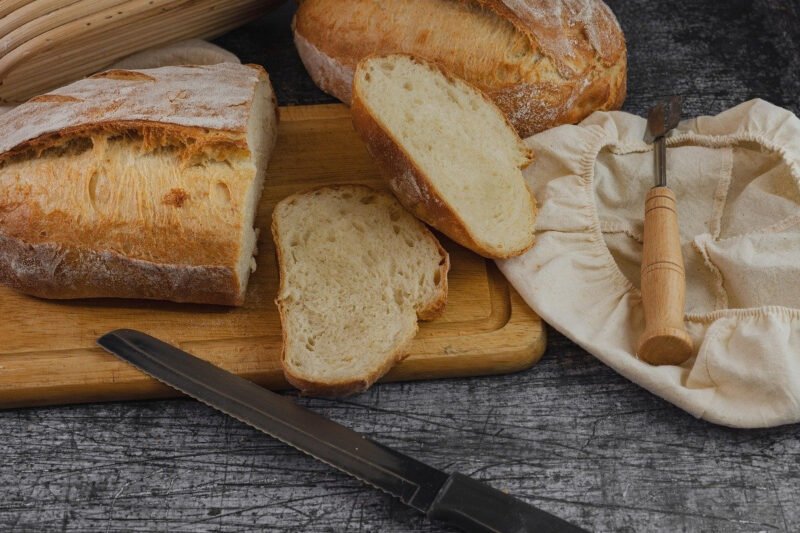
Use Appropriate Knives for Tasks: Using the right knife for the right task ensures better precision and less wear on the blade. For example, using a serrated knife for cutting bread is efficient and helps prevent unnecessary dulling.
- Stay Educated: Invest time in learning more about your knives through books, videos, or classes. Understanding the construction and purpose of each knife can enhance your technique and prolong the life of your tools.
Implementing these ten easy methods will keep your kitchen knives sharp and ensure a seamless cooking experience. Whether you are a home cook or an aspiring chef, a well-maintained knife collection can greatly enhance your culinary skills. By consistently applying these practices, you will enjoy the benefits of improved kitchen performance and safety.