


1. Whetstone Sharpening
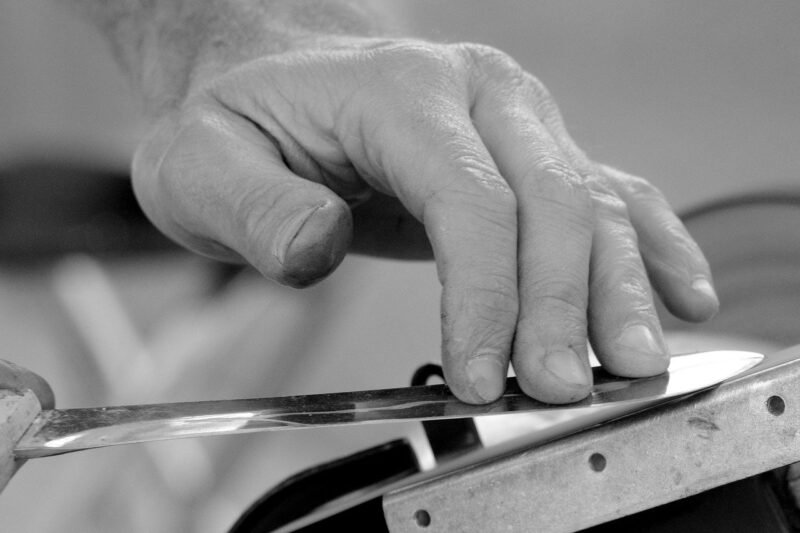
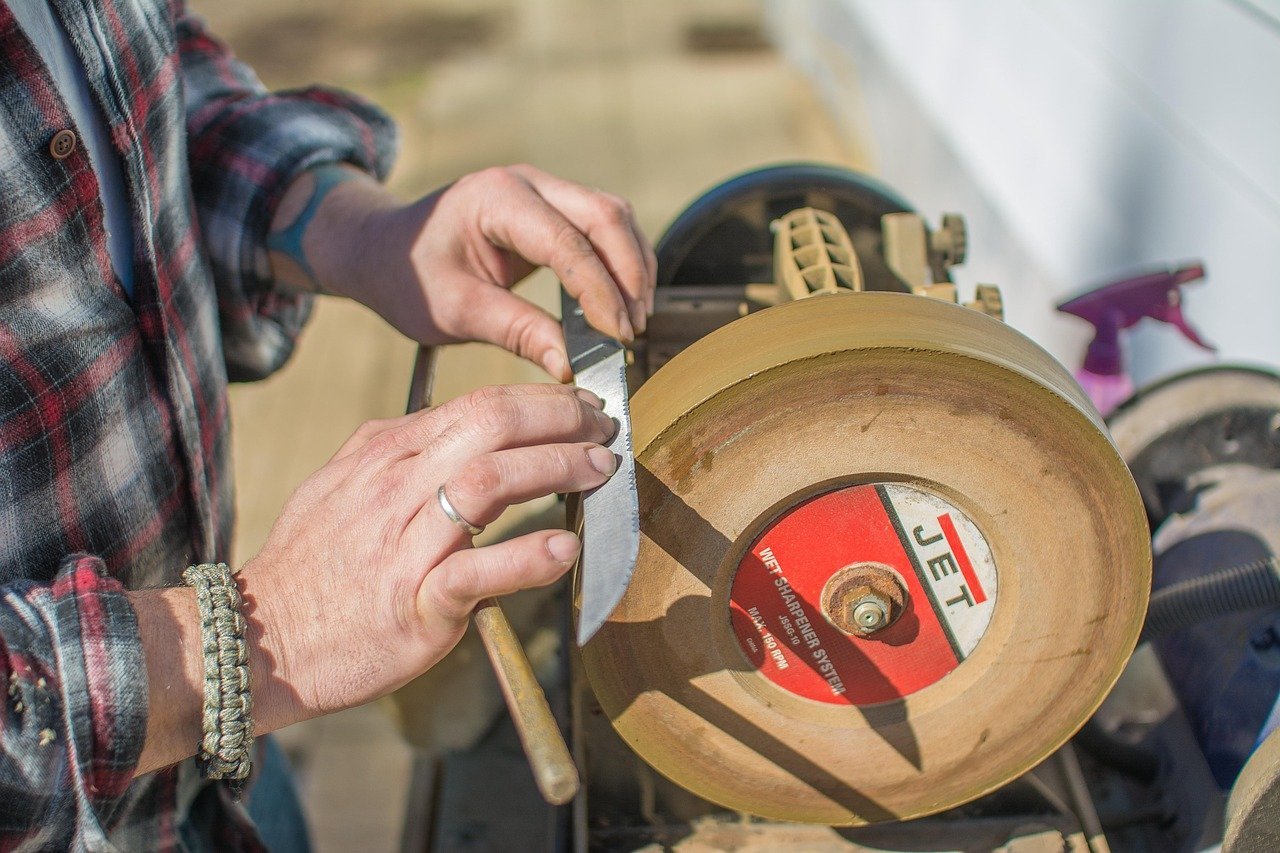
Whetstone sharpening is one of the most traditional and respected methods for achieving a keen edge on kitchen knives. These stones come in various grits, typically ranging from coarse (200-600 grit) to fine (1000-6000 grit).
Technique: Begin by soaking the whetstone in water for about 10-15 minutes. Place it on a stable surface. Hold the knife at a 20-degree angle and start sharpening from the heel to the tip with consistent pressure. Alternate sides to ensure an even edge.
Benefits: This method allows for precise control and can restore very dull knives effectively. Plus, it’s versatile—you can use different grits to adjust the sharpness level precisely.
2. Electric Knife Sharpener
An electric knife sharpener is a convenient and user-friendly option, particularly for those looking for speed and efficiency. Many models feature multiple slots with varying abrasiveness, catering to different levels of dullness.
Technique: Simply insert the knife into each slot, ensuring that the blade aligns correctly with the guide. Pull the knife through from heel to tip with steady pressure for a few seconds.
Benefits: Speed and efficiency are the primary advantages, making it ideal for busy kitchens. This method also minimizes the skill required, which can be beneficial for novice cooks.
3. Pull-Through Knife Sharpener
Pull-through sharpeners are compact devices that streamline the sharpening process, making them an excellent choice for casual cooks. They generally consist of two or more slots filled with abrasive materials.
Technique: Place the knife blade in the first slot and pull it through. Repeat this a few times, then alternate to the second slot if available.
Benefits: Their simplicity makes them a favorite, though they might lack the precision of whetstones or electric sharpeners. Ideal for quick touch-ups rather than intensive sharpening.
4. Honing Steel
While honing steel doesn’t sharpen a blade in the traditional sense, it is crucial for maintaining the edge of your knife between full sharpenings. A honing steel realigns the blade’s edge, ensuring optimal cutting performance.
Technique: Hold the honing steel vertically. Place the knife’s heel against the steel at a 20-degree angle and drag the blade down and across the steel from heel to tip. Repeat on the other side.
Benefits: Regular use of a honing steel helps keep your knife sharp longer, reducing the frequency of major sharpening sessions. It’s a vital tool in any chef’s kit.
5. Ceramic Rods
Ceramic rods can serve a similar function to honing steels but often provide a finer edge. Their harder material offers a unique benefit as they can restore the sharpness better and more effectively.
Technique: With a knife at a 20-degree angle, stroke the blade against the ceramic rod backward from tip to heel. Repeat several times on both sides.
Benefits: This method is particularly effective for stainless steel knives, enhancing their sharpness and longevity while being easy to use.
6. Leather Strop
A leather strop is a sophisticated option more commonly used in professional settings. It is designed to polish and refine the edge after sharpening, removing fine burrs and imperfections.
Technique: Apply a bit of abrasive compound to the leather surface. Place the knife at a low angle (around 15 degrees) and stroke the blade backward against the leather, alternating sides.
Benefits: This process offers a razor-sharp finish, making it perfect for chefs who demand precision. It can significantly enhance the knife’s edge quality when integrated into a regular sharpening routine.
7. DIY Sharpening Methods
For those without access to professional tools, a DIY method involves using materials commonly found in homes, such as ceramic plates or glass bottles.
Technique: Take an unglazed ceramic mug or plate, and hold the knife at a 20-degree angle against the edge. Slide the blade across the ceramic, applying even pressure. Alternatively, use the bottom of a glass bottle with the same technique.
Benefits: Creativity and accessibility are the main advantages of this method, allowing any home chef to maintain their knives without specialized equipment.
8. Sandpaper Sharpening
Sandpaper sharpens knives in a pinch and can often achieve remarkably good results.
Technique: Attach varying grit sandpaper (from coarse to fine) on a flat surface. Hold the knife at a 20-degree angle and slide it across the sandpaper, using a consistent back-and-forth motion.
Benefits: It’s portable and suitable for varying levels of dullness. This method is particularly handy during camping or travel where conventional sharpeners might not be accessible.
9. Professional Knife Sharpening Service
When in doubt or for high-end knives, considering a professional sharpening service can be the best bet.
Technique: Simply take your knives to a local sharpening service where they employ professional-grade tools and expertise.
Benefits: Expertise ensures a perfect edge without the risks of improper handling. Professional services can also repair damage or restore ancient knives to prime condition.
10. Angle Guides
Using an angle guide helps maintain the proper angle during sharpening, especially for new users.
Technique: Attach the angle guide to the blade and then proceed to sharpen with any method (whetstone, ceramic rod, or electric sharpener).
Benefits: This tool removes the guesswork from angle maintenance, contributing to better edge consistency over time.
Fostering a habit of regular knife maintenance through these sharpening methods will enhance your cooking experience and prolong the life of your kitchen tools. Achieving and maintaining a sharp knife requires practice, so choose the technique that resonates with your skill level and kitchen needs.