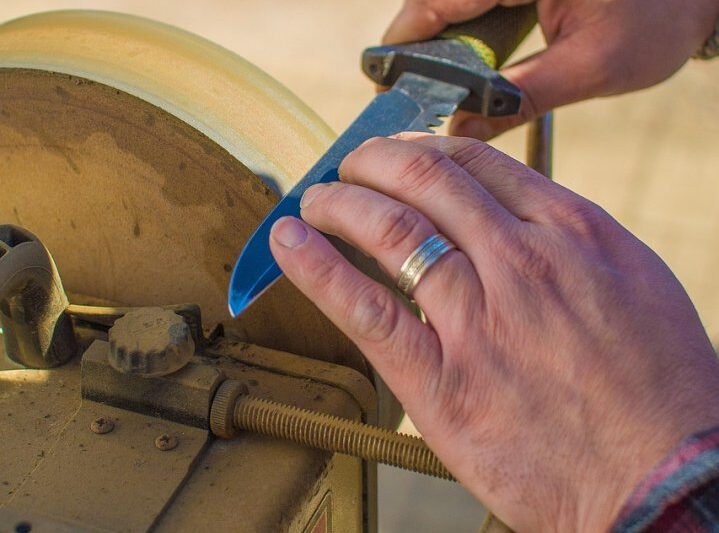



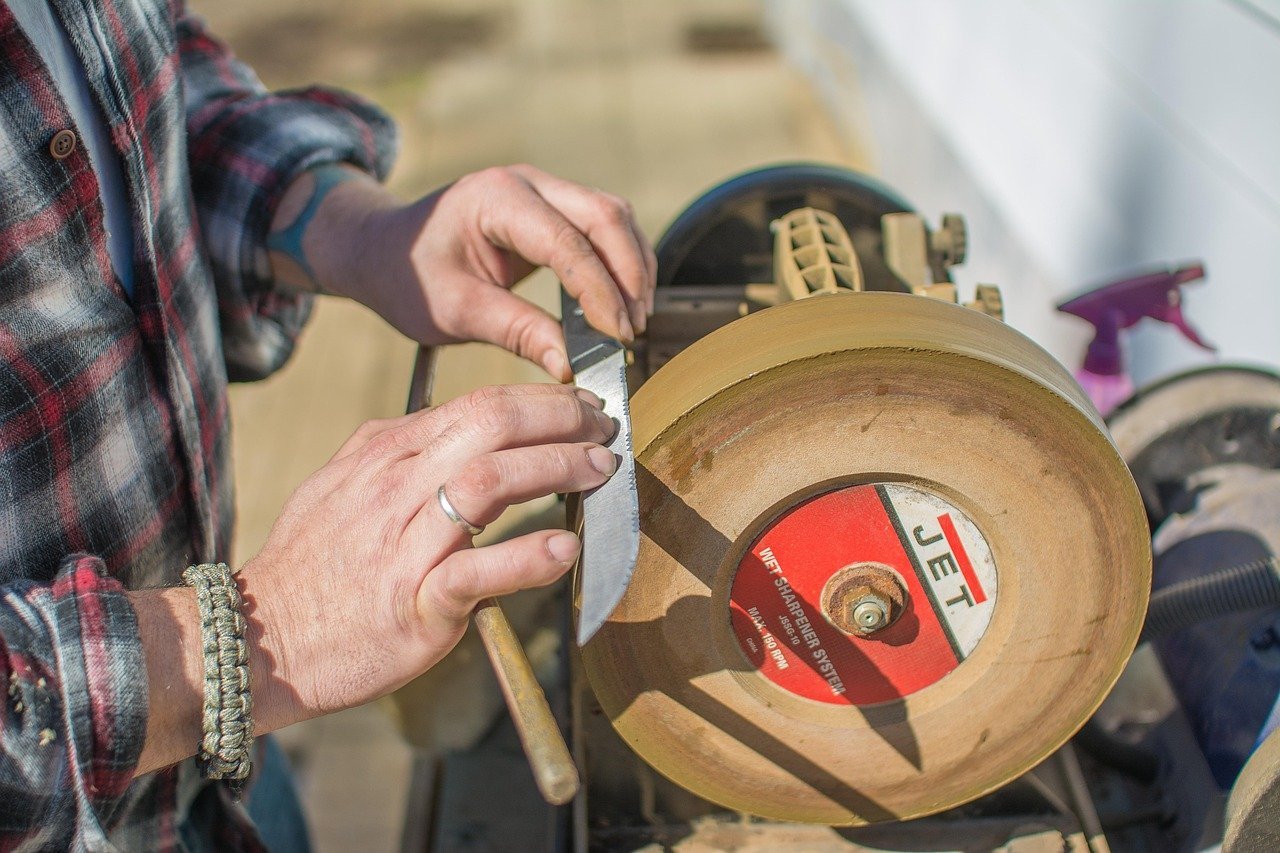
Understanding Honing Steel Techniques
Honing is a crucial part of the metalworking process, focusing on finishing surfaces to achieve high precision and a fine finish. Here, we break down the steps, techniques, and tools involved, providing a comprehensive guide for beginners looking to master honing steel.
What is Honing?
Honing is a precision machining process that enhances the geometric accuracy of parts. It is typically used for final finishing processes after standard machining and can significantly improve surface finish and dimensional accuracy. This method utilizes abrasive stones or specialized abrasives to refine the surfaces of cylindrical components, such as engine cylinders and hydraulic cylinders.
Key Terms in Honing
- Abrasive Stones: These are the primary tools used in honing. They come in various grits and can be made from different materials like aluminum oxide and silicon carbide.
- Cutting Fluid: A lubricant used to cool the honing process, ultimately extending the life of the honing tool and improving surface finish.
- Workpiece: The item that is being honed, which can be cylindrical, flat, or contoured.
- Honing Machine: The equipment used for honing, which can vary in size and complexity.
Tools and Equipment for Honing
Honing Machine: Various machines tailored to different sizes and types of honing applications include vertical and horizontal honing machines. Select one based on your workspace and needs.
Honing Stones: Different types of honing stones offer varying grit levels, which influence the finish and remove material more aggressively or finely. Common types include:
- Set Stones: A fixed configuration investing in precision.
- Shoe Stones: Flexible stones that conform to the workpiece.
- Diamond Stones: Known for longevity and effective material removal.
Coolant and Lubricants: Essential for reducing friction and prolonging the life of your tools. A proper cooling system is paramount for achieving optimal results.
Measuring Instruments: Calipers and micrometers help ensure dimensional accuracy throughout the honing process.
Steps for Honing Steel
Preparation: Before starting, ensure the workpiece is clean and free from any debris. A clean surface allows the honing process to proceed smoothly, reducing wear and tear on your tools.
Choosing the Right Abrasive: Select the appropriate honing stone based on the material and required finish of the workpiece. Softer materials may require softer stones for optimal cutting.
Setting up the Honing Machine:
- Install the honing stones securely on the machine.
- Ensure the spindle speed and stroke have been adjusted according to the material type and desired finish.
Applying Cutting Fluid: Introduce cutting fluid to the honing area to minimize heat buildup and prolong the life of the honing tool.
Honing Process: Start the honing machine and allow it to run at the predetermined speed. Move the tool across the workpiece evenly to eliminate uneven surfaces.
- Follow a Pattern: Honing in a consistent pattern can help guarantee uniform material removal.
- Monitor Progress: Regularly check your progress to ensure you’re achieving the desired dimensions and finish.
Common Techniques in Honing
Manual Honing: Suitable for smaller projects or intricate workpieces. This technique involves controlling the honing tool by hand, requiring a steady hand and keen eye for detail.
Power Honing: Utilizes a machine to guide the honing stones, allowing for more consistent finishes and reducing manual labor. This method is ideal for larger-scale production.
Plunge Honing: This technique facilitates deep honing in blind holes and requires a honing tool to plunge straight down into the workpiece.
Continuous Honing: Involves a continuous movement of both the workpiece and the abrasive, suitable for high-speed production environments where efficiency is critical.
Best Practices for Effective Honing
Regular Maintenance: Maintaining your honing tools and machines can significantly improve their longevity. Check for wear and tear, and replace worn-out parts timely.
Monitor Temperature: Excessive heat can alter the properties of both the honing stones and the workpiece. Ensure that the coolant is adequately applied to keep temperatures in check.
Safety Precautions: Always wear safety goggles and appropriate protective equipment. Ensure the area is well-ventilated to avoid inhaling any debris created during the honing.
Precision Measurement: After honing, utilize a micrometer or caliper to measure the workpiece’s dimensions. Confirm that it meets the required tolerances before proceeding with additional processes.
Consistency in Technique: Keep honing operations deliberate and controlled. Regular practice will improve skill level and outcomes as you become familiar with the materials and processes.
Common Challenges and Troubleshooting
Inconsistent Finish: If you experience an uneven surface finish, check the honing stones for wear, ensure proper tool alignment, and apply consistent pressure throughout the process.
Too Much Material Removal: If over-removal occurs, consider using a finer grit stone and reduce the pressure applied to avoid excessive wear on the workpiece.
Tool Binding: Should the honing tool bind, it may indicate contamination on the surfaces or insufficient lubricant. Inspect the setup and lubricate accordingly.
Advanced Techniques for Experienced Users
For those who establish a firm grasp on basic honing techniques, exploring advanced methods like:
- Ball Honing: Particularly useful for finishing irregular surfaces or profiles.
- CNC Honing: Utilizing computer numerically controlled machines enables highly precise and automated honing processes for complex geometries.
Conclusion of Techniques and Advancements
By implementing these honing techniques, recognizing the tools and methods, and focusing on detailed practice, you can master the art of honing steel. Adjust and refine your methods based on project requirements and evolve your skills to tackle increasingly challenging tasks. Remember, precision and attentiveness are critical to achieving superior results in the honing process.