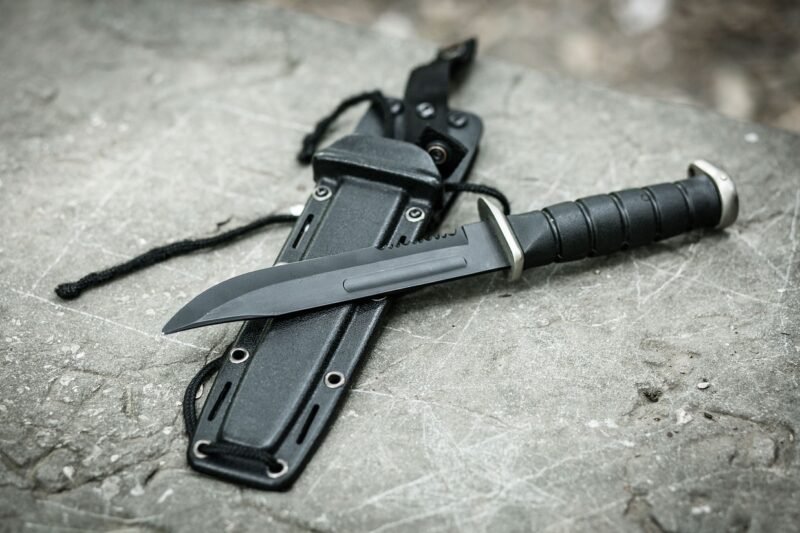





Understanding the Importance of Blade Sharpener Maintenance
Maintaining your blade sharpeners ensures longevity and efficiency. A well-maintained sharpener keeps blades effective, prolongs their lifespan, and enhances safety. This guide explores essential maintenance techniques and practices to keep your sharpeners in optimal condition.
Regular Cleaning Practices
1. Removing Debris
After several uses, your blade sharpener will accumulate metal filings and dust. Regularly removing these particles prevents buildup that can affect performance. Use a soft brush or compressed air to clear out debris. Invest in a soft microfiber cloth for wiping non-abrasive surfaces.
2. Deep Cleaning
At least once a month, a thorough cleaning is essential. Disassemble the sharpener if possible and carefully scrub it with warm soapy water. Make sure to dry all parts completely to avoid rust or corrosion. For sharpeners with non-removable components, use a damp cloth and ensure excess moisture is wiped away.
Regular Inspection
1. Checking for Wear
Assess the sharpening surfaces regularly for signs of wear. If you notice uneven surfaces or excessive dullness, it may be time for a replacement. This applies to both electric and manual sharpeners.
2. Inspecting Mechanisms
For electric sharpeners, inspect the motor and internal components. Listen for unusual sounds during operation, which could indicate a mechanical issue. Check the power cord for frays or exposure, as safety should always come first.
Blade Adjustment
Calibration: Many sharpeners allow for angle adjustment to ensure optimal sharpening results. Familiarize yourself with the settings of your sharpener. Regularly calibrate the angle according to the specific blades that will be used, as different knives require different angles for proper sharpening.
- Tension Adjustment: If your sharpener has movable parts or rotating components, ensure they maintain the correct tension. Loose components can lead to ineffective sharpening or uneven blade edges.
Lubrication
Choosing the Right Lubricant: Use a food-safe lubricant for sharpeners frequently in contact with kitchen tools. Mineral oil or silicone-based lubricants are excellent to reduce friction and wear.
- Application: Apply a small amount of lubricant to hinges and joints within the sharpener. This process reduces mechanical wear and improves the efficiency of moving parts.
Storage Conditions
Temperature and Humidity: Store sharpeners in a cool, dry place. Excessive humidity can lead to rust, while high temperatures can deteriorate plastic components. Aim for a stable, climate-controlled environment.
- Protection: Keep sharpeners covered or in protective cases to prevent dust accumulation and accidental dents or scratches. This is especially crucial for portable sharpeners that may face environmental exposure.
Utilization Tips
Avoid Excessive Force: Applying unnecessary pressure during sharpening can lead to faster wear on the sharpener and damage to the blade. Use gentle, consistent strokes for the best results.
- Use the Appropriate Sharpener for the Blade Type: Different knife types, such as serrated, chef, or paring knives, require specific sharpening tools. Ensure you use the correct sharpener to avoid damaging the blade.
Troubleshooting Common Issues
Uneven Blade Edges: If your sharpened blades show unevenness, check the sharpener’s angle settings. Recalibrate as necessary to align with the blade’s recommendations.

Dull Tools Post-Sharpening: If blades remain dull after use, the sharpening stone or wheels may be worn out. Inspect and replace these parts as required.
- Moving Components Sticking: If any part of an electric sharpener is sticking, it might require cleaning or lubrication. Always ensure lubrication is added sparingly to avoid creating a mess.

Know When to Replace Your Sharpener
Extensive Wear and Tear: If your sharpener shows signs of extensive wear and you’ve already replaced parts, it might be time for a new one. Investing in a quality product can save time and effort in the long run.
- Inconsistent Results: If you notice that the sharpener consistently fails to produce sharp blades even after maintenance, consider whether it’s time for an upgrade to a higher-quality model that offers better results.
Choosing Quality Sharpeners
Read Reviews: Opt for sharpeners with positive reviews and feedback regarding durability and effectiveness. Research different brands and models to find one that fits your sharpening needs.
- Warranty and Support: Consider sharpeners that come with warranties or customer support. A good warranty signifies a manufacturer’s confidence in their product and can save you costs in repairs or replacements.
Essential Tools for Maintenance
Soft Brushes: Invest in various brushes to effectively clean different surfaces of your sharpener.
Microfiber Cloths: Use for drying and polishing your sharpener to ensure no residue remains post-cleaning.
- Lubricant: Keep your chosen lubricant handy for quick maintenance and to prolong the life of your sharpener.
Simple Maintenance Schedule
Daily: Clean off visible debris after each use.
Weekly: Conduct a surface inspection and a quick clean with a damp cloth.
Monthly: Perform a deep cleaning and inspect mechanical parts, adjusting and lubricating as needed.
- Annually: Assess the overall condition of the sharpener and consider professional servicing or replacement.
Benefits of Proper Maintenance
Enhanced Safety: Well-maintained tools reduce the risk of accidents and injuries caused by improper cuts.
Cost-Effectiveness: Keeping sharpeners in optimal condition prolongs their life cycle, saving you money over time.
- Better Performance: Regular maintenance leads to sharp blades that cut efficiently, making cooking and other tasks much more manageable.
By adhering to these maintenance strategies, you can ensure that your blade sharpeners serve you well over the years, enhancing the performance of your cutting tools and making your tasks easier. Regular maintenance not only extends the life of your sharpeners but also ensures safe, precise cuts for all your culinary needs.