


Understanding Boning Knives
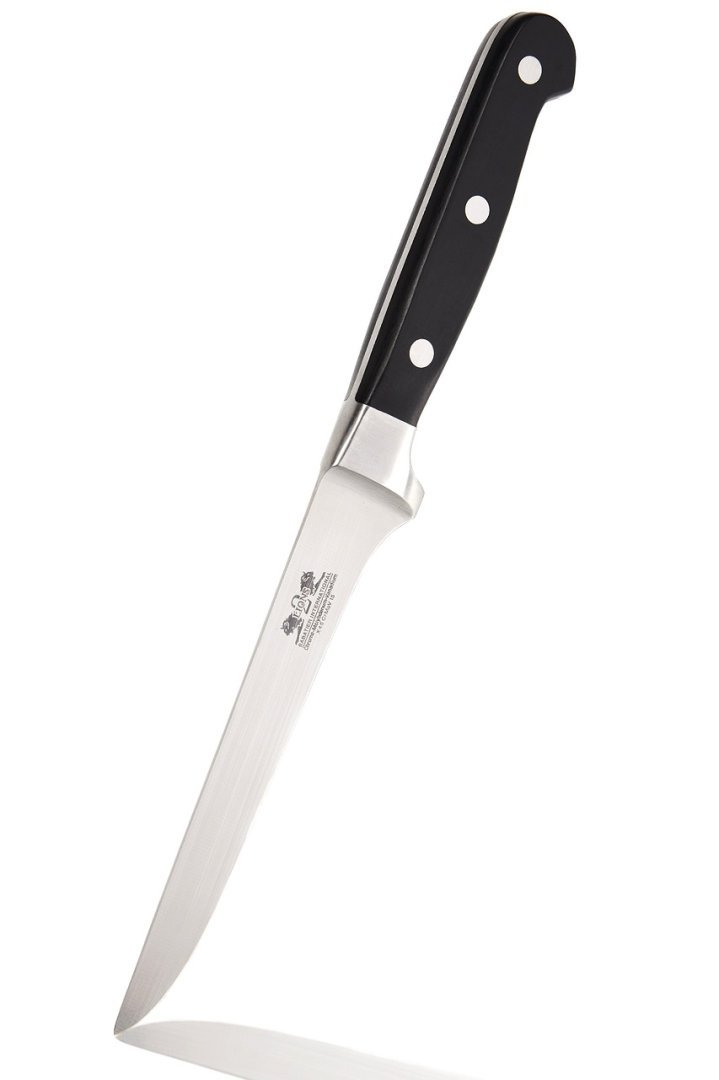
A boning knife is an essential tool in any culinary professional’s arsenal, designed specifically for separating meat from bone. The unique characteristics of a boning knife—a thin, flexible blade and a pointed tip—allow it to glide effortlessly along bones. This precision tool is indispensable for tasks such as filleting fish, deboning poultry, and trimming meat, enhancing the overall efficiency of butchering tasks in the kitchen.
Blade Characteristics
The blade of a boning knife typically ranges from 5 to 7 inches in length, although specialty models may deviate slightly from this standard. When evaluating blade design, consider the following attributes:
Flexibility: A flexible blade is ideal for following the contours of meat and bone, allowing for greater maneuverability. A stiffer blade may be better suited for tougher cuts or larger bones.
Thickness: A thinner blade reduces resistance when cutting, enabling cleaner and more precise cuts. Look for a blade thickness of around 2mm for optimal performance.
Edge Type: Most boning knives feature a straight edge, which provides excellent control. Some may have a slight curve, allowing for smoother slicing motions—particularly useful when working with fish.
Material: High-carbon stainless steel is popular for boning knives because it combines durability with the ability to hold a sharp edge. Some chefs prefer ceramic blades for their lightweight feel and resistance to corrosion, though they can be more brittle.
Handle Comfort and Ergonomics
Selecting a boning knife also involves assessing the handle for comfort and ergonomics. The handle should feel comfortable in your hand, allowing for a firm grip during use. The following features are worth considering:
Material: Handles can be made from various materials, including wood, plastic, and composites. Wood offers a traditional feel, while synthetic materials may provide more grip and resistance to moisture.
Shape: An ergonomic handle shape can significantly reduce hand fatigue during extended use. Look for options that fit your grip style, whether you prefer a traditional straight handle or a more contoured design.
Balance: A well-balanced knife enhances control and reduces the strain on your wrist and hand. When choosing a boning knife, hold it to assess the weight distribution between the blade and handle.
Types of Boning Knives
Boning knives come in several varieties, each tailored to specific culinary needs:
Flexible Boning Knife: Ideal for delicate tasks, such as filleting fish or removing skin, this type features a highly flexible blade that can navigate intricate cuts with ease.
Stiff Boning Knife: Suitable for larger cuts of meat with tougher sinew and cartilage, this type has a stiffer blade, providing more strength for harder butchering tasks.
Curved Boning Knife: With a slight curve in the blade, this knife excels in following the natural contours of meat, helping to achieve smooth cuts, especially when deboning poultry.
Fillet Knife: While technically a subclass of boning knives designed specifically for fish, a fillet knife has an extra flexible blade and is crucial for achieving clean fillets of various fish.
Price vs. Quality
When it comes to kitchen tools, investing in high-quality items generally pays off. While it may be tempting to opt for cheaper boning knives, lower-priced options often sacrifice blade quality, handle comfort, and overall durability.
Budget-Friendly Options: These knives typically cost between $20 and $50. While they can be adequate for home cooks, they often require more frequent replacement and may not provide the longevity desired by serious chefs.
Mid-Range Knives: Falling within the $50 to $150 range, these boning knives usually combine decent performance with better materials. They are often popular among cooking enthusiasts and professionals not looking to commit to high-end brands.
Premium Boning Knives: These top-tier options usually start at $150 and can easily exceed $300, made with exotic materials and exceptional craftsmanship. Brands like Shun, Wüsthof, and Global are renowned for their premium quality offerings.
Maintenance and Care
To ensure your boning knife stays in top condition, regular maintenance is crucial:
Sharpening: A dull blade can make boning tasks more difficult and dangerous. Use a sharpening stone or a honing rod to maintain a sharp edge. Regular sharpening helps ensure precision with each cut.
Washing: Hand washing is recommended to preserve the blade’s integrity. Dishwashers can cause the blade to dull faster or damage the handle materials.
Storage: Proper storage extends the life of your knife. Store your boning knife in a protective sheath or on a magnetic strip to prevent blade damage and keep the edge sharp.
Popular Brands and Models
Certain makers, known for their quality and craftsmanship, stand out in the boning knife arena:
Wüsthof: The Wüsthof Classic Boning Knife is known for its durability and precision. Featuring a high-carbon stainless steel blade and a comfortable handle, it’s a favorite among both professionals and home cooks.
Victorinox: Renowned for offering quality at a more affordable price, the Victorinox Fibrox Pro Boning Knife has a non-slip handle and a flexible blade, making it an excellent choice for those new to butchering.
Shun: The Shun Classic Boning & Fillet Knife combines traditional Japanese craftsmanship with modern functionality. Its VG-MAX steel blade offers exceptional sharpness and edge retention, although it requires more careful handling due to its delicate structure.
Global: Known for their distinctive design and lightweight construction, Global makes a compelling boning knife that excels in both performance and aesthetics. Its seamless stainless handle provides excellent hygiene and ease of use.
Concluding Considerations
When selecting the perfect boning knife for your kitchen, consider your cooking habits and specific needs. Whether you are a casual cook looking to enhance your culinary skills or a seasoned professional seeking high-performance tools, the right boning knife can make all the difference in your kitchen endeavors. By assessing factors such as blade characteristics, handle comfort, and brand reputation, you will be well on your way to making an informed choice that elevates your butchery techniques and overall culinary experience.