




The Environmental Benefits of Using Sustainable Blade Sharpeners
1. Understanding Sustainable Blade Sharpeners
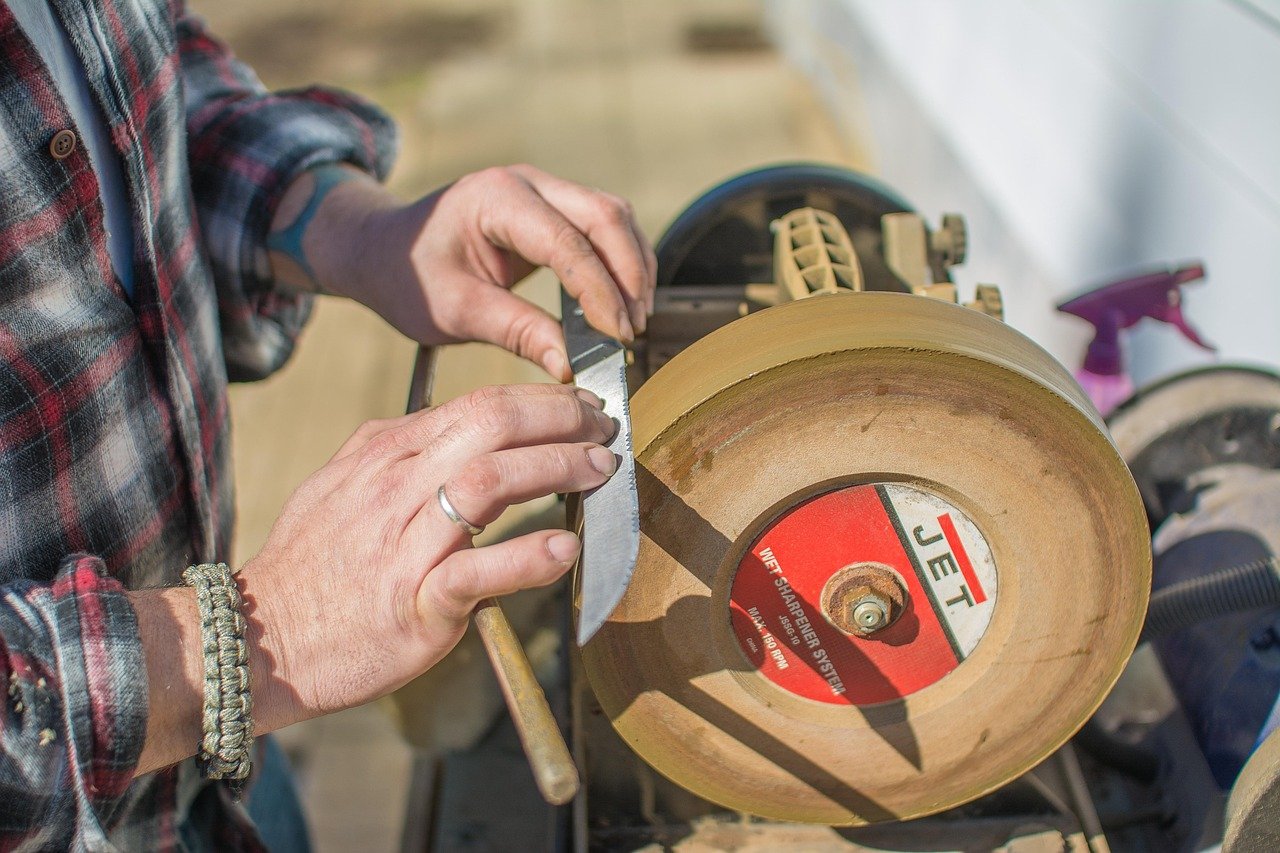
Sustainable blade sharpeners are tools designed to maintain the sharpness of knives, scissors, and other cutting instruments while minimizing environmental impact. Unlike conventional sharpeners that often rely on electricity and non-recyclable materials, sustainable sharpeners focus on eco-friendly materials, energy efficiency, and longevity, making them a preferred choice for environmentally conscious consumers.

2. Reduced Waste Generation
One of the critical environmental benefits of using sustainable blade sharpeners is the reduction of waste. Traditional sharpeners often have a limited lifespan and are made from non-recyclable plastics and metals. When these devices break, they are typically discarded, contributing to landfill waste. In contrast, sustainable sharpeners are built from durable, biodegradable materials or recyclable components, significantly decreasing the overall waste footprint.

3. Energy Efficiency
Many conventional sharpeners require electricity or battery power, which contributes to energy consumption and carbon emissions. Sustainable blade sharpeners often rely on manual operation, which eliminates the need for energy resources. This change not only conserves electricity but also reduces the greenhouse gases associated with power generation, positioning sustainable sharpeners as an eco-friendly alternative.
4. Sustainable Materials
Sustainable blade sharpeners are crafted from carefully selected materials that align with environmental preservation efforts. Manufacturers often choose wood, bamboo, or bioplastics, which are renewable resources, to construct their products. These materials often use less energy in their production than traditional metals and plastics, reducing the carbon footprint of each sharpening tool.
5. Support for Local Economies
Many sustainable sharpener brands emphasize local production, sourcing materials and craftsmanship from nearby artisans. By supporting local economies, consumers contribute to reduced transportation emissions and promote community development. Eco-conscious brands often also ensure fair labor practices, further enhancing the social dimension of sustainability.
6. Promoting Long-Term Use
Unlike disposable sharpeners that may require frequent replacements, sustainable sharpeners are designed for longevity. They often come with maintenance options or additional components that can be replaced, extending the product’s lifespan. This durability means that consumers buy fewer products over time, drastically cutting down on resource extraction and manufacturing emissions associated with replacing worn-out tools.
7. Reduced Chemical Use
Traditional sharpening processes sometimes involve the use of harsh chemicals—either in the manufacturing of sharpeners or during the sharpening process itself. Sustainable products often utilize natural abrasives, avoiding toxic substances that may leach into the environment. This reduction in chemical usage is beneficial not only for the ecosystem but also for personal safety and health.
8. Encouraging Sustainable Practices
By choosing sustainable blade sharpeners, consumers become advocates for eco-friendly practices. This choice promotes awareness about sustainability within the community, encouraging others to consider their purchasing habits and the environmental implications thereof. This ripple effect fosters a culture of sustainability, where individuals actively seek out and support environmentally responsible products.
9. Contribution to Biodiversity Conservation
The extraction of raw materials for conventional sharpeners can lead to habitat destruction and biodiversity loss. On the contrary, many sustainable sharpeners utilize wood sourced from responsibly managed forests or recycled materials. This practice helps protect crucial ecosystems and maintains biodiversity, ensuring that the natural world remains vibrant and healthy.
10. Less Water Consumption
Manufacturing processes for traditional sharpeners often involve significant water use, contributing to water scarcity concerns in many areas. Sustainable manufacturers emphasize water-efficient processes and may utilize recycled water in production, thereby minimizing overall water usage in the lifecycle of their products.
11. Carbon Offset Opportunities
Some sustainable brands engage in carbon offset programs—an additional commitment to reducing environmental impact. By investing in renewable energy projects or reforestation efforts, these companies help balance their carbon footprint, making their products even more attractive to eco-conscious consumers who prioritize green initiatives.
12. Consumer Education
Sustainable blade sharpeners often come with educational resources on best usage practices, care, and maintenance. These resources educate consumers about the importance of sharpening techniques, encouraging them to become more aware of their blade care while promoting an ethical and sustainable approach to everyday tasks.
13. Innovations in Design
Sustainable sharpeners are not only functional but often feature innovative designs that enhance user experience while integrating environmentally friendly practices. Many brands are now incorporating ergonomic designs that require less force during sharpening, resulting in a more delightful user experience, while reducing the physical wear and tear on tools.
14. Eco-Friendly Packaging Solutions
Many sustainable sharpener brands take environmental concerns further by committing to eco-friendly packaging. Instead of using non-recyclable plastics, they often utilize biodegradable and recyclable packaging materials, ensuring that products arrive at consumers’ doorsteps with minimal environmental impact.
15. Raising Awareness About Sustainability
Finally, choosing sustainable blade sharpeners can be a conversation starter regarding sustainability and eco-friendly practices. Each purchase signals a commitment to better environmental practices, enticing friends and family to consider their ecological fingerprints, and illustrates how small changes in consumer habits can lead to broader societal shifts.
Through the use of sustainable blade sharpeners, individuals take a positive step forward in promoting environmental health, conserving resources, and fostering a more sustainable future while enjoying the benefits of well-maintained tools. With multiple advantages—ranging from reduced waste to longevity and consumer education—this eco-friendly alternative proves to be a wise choice for both individuals and the planet.