


Understanding Manual Knife Sharpeners
What are Manual Knife Sharpeners?
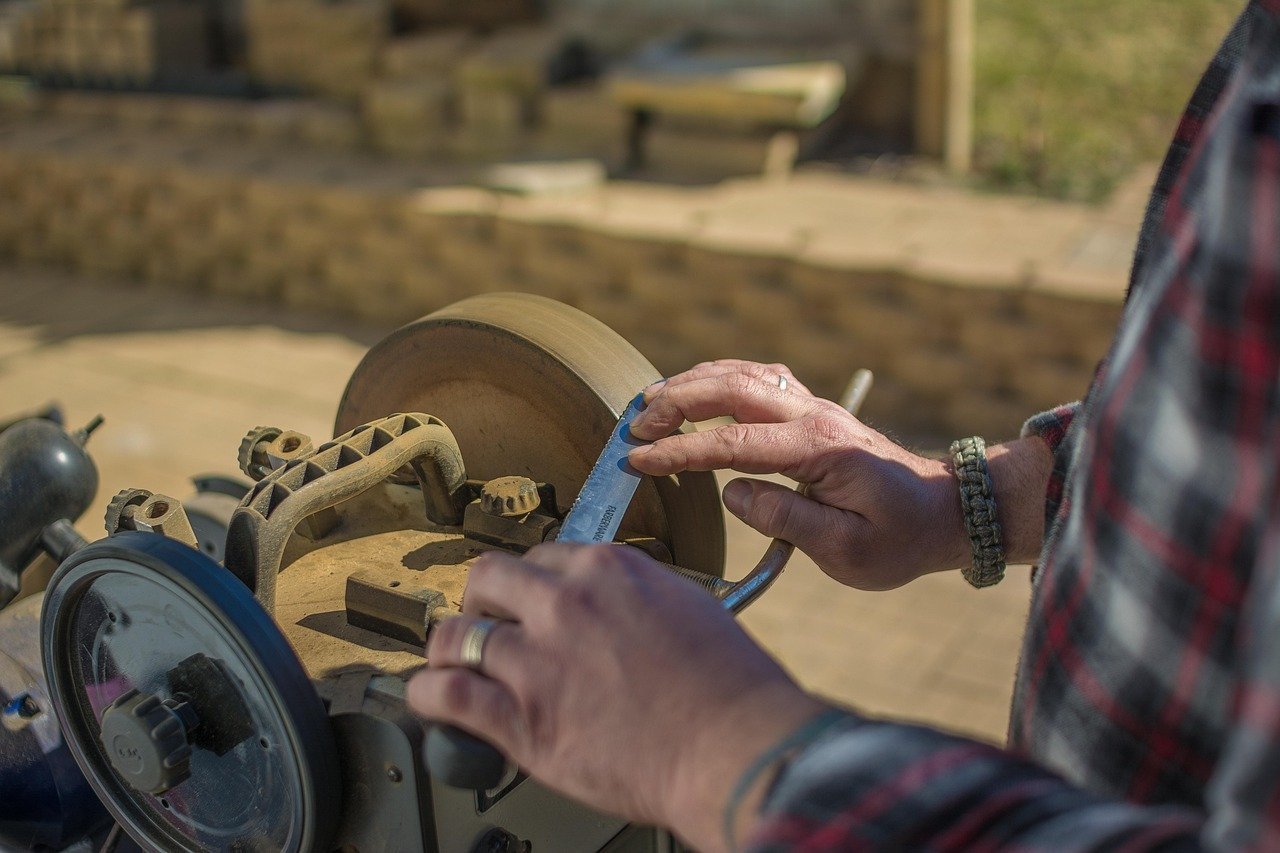
Manual knife sharpeners, often available in the form of whetstones, honing rods, or simple handheld devices with abrasive surfaces, require users to apply physical effort to sharpen their knives. This method has been favored by chefs and cooking enthusiasts for decades owing to its ability to yield precise results.
Advantages of Manual Knife Sharpeners
Precision Control: Manual sharpeners allow users to adjust their angle and pressure, offering greater control over the sharpening process. This is particularly beneficial for high-quality kitchen knives that require specific angles.
Cost-Effective: Generally, manual sharpeners are less expensive than electric alternatives. A basic whetstone or honing rod can often be found for a minimal investment, making them accessible to a wide audience.
No Electricity Required: Manual sharpeners can be used anywhere, as they do not require a power source. This aspect makes them ideal for outdoor activities, camping, or in situations where a power supply is unavailable.
Durability: With proper care, manual sharpeners can last for many years. They are often made from high-quality materials, such as ceramic or diamond, which resist wear over time.
Tradition and Skill: For many, sharpening knives manually can be a satisfying skill that connects them to the culinary arts. It offers the opportunity to learn techniques that enhance one’s culinary mastery.
Customizable Sharpening: Different knives may require different sharpening techniques, which manual sharpeners accommodate. Users can vary their sharpening style based on specific requirements, such as the knife type and desired sharpness.
Safety: When used correctly, manual sharpeners can be safer than electric ones. There’s a lower risk of injury since the user maintains control throughout the sharpening process.
Disadvantages of Manual Knife Sharpeners
Steep Learning Curve: Achieving proficiency with manual sharpeners often takes time and practice, which can be daunting for beginners. Improper technique can lead to dulled blades or uneven edges.
Time-Consuming: Sharpening knives manually generally requires more time compared to electric sharpeners. The process can be tedious, especially for multiple knives.
Physical Effort: For those with limited hand strength or dexterity, manually sharpening knives may prove to be a challenging task, making it less ideal for some users.
Inconsistent Results: If users are not properly trained or skilled, results may vary. Inconsistent angles or pressure can result in dull knives or blades that are poorly shaped.
Limited Abrasive Options: Some manual sharpeners use fixed abrasive surfaces, which may not be suitable for all knife types. Specialized knives may not benefit as much from a one-size-fits-all manual option.
Understanding Electric Knife Sharpeners
What are Electric Knife Sharpeners?
Electric knife sharpeners use powered motors to quickly sharpen knives, typically employing multiple stages with varying abrasive levels. These devices have gained popularity due to their speed and convenience.
Advantages of Electric Knife Sharpeners
Speed and Convenience: Electric sharpeners significantly reduce sharpening time. They are designed to quickly sharpen knives with minimal effort, making them ideal for busy households or professional environments.
User-Friendly: Most electric sharpeners have simple, straightforward operations. Users merely insert the knife and let the machine do the work, which makes them suitable for novices.
Consistency: Electric sharpeners often maintain consistent angles and pressures, producing reliable results. This consistency can lead to evenly sharpened blades every time.
Multi-Stage Sharpening: Many electric models feature multiple sharpening stages, including coarse and fine grit options. This allows users to achieve a sharper edge compared to most manual options.
Minimal Physical Effort: Since they require little to no manual labor, electric sharpeners can be more accessible to individuals with physical constraints. Users do not need to exert significant force or skill.
Versatility: Some electric sharpeners are designed to sharpen a variety of knives, including kitchen knives, serrated knives, and even scissors, providing broader usability in a single device.
Integrated Features: Many models come equipped with features such as suction bases for stability during use or built-in guides that ensure proper alignment and angles for sharpening.
Disadvantages of Electric Knife Sharpeners
Cost: Electric sharpeners are generally more expensive than manual options. High-quality models can be a significant investment, which may dissuade some potential buyers.
Dependence on Electricity: Since they require a power source, electric sharpeners may not be practical for outdoor use or during power outages.
Limited Control: Unlike manual sharpeners, electric options provide less control over the sharpening angle and technique. This limitation can affect the outcome, particularly with specialized knives.
Risk of Over-Sharpening: Users can easily over-sharpen blades with electric sharpeners, which can lead to damage or excessive wear. Proper timing and technique are necessary to avoid this.
Bulky Design: Electric sharpeners tend to take up more counter or storage space than their manual counterparts, making them less convenient for those with limited kitchen space.
Maintenance Issues: Electric sharpeners require regular maintenance and cleaning to function optimally. Users need to ensure that the sharpening components are clean and in good condition to avoid damage to knives.
Potential for Blade Damage: In inexperienced hands, electric sharpeners may lead to the mishandling of blades, resulting in chips or unnecessary edge removal.
Conclusion
Choosing between manual and electric knife sharpeners ultimately comes down to personal preference and specific needs. Both types have unique advantages and disadvantages that cater to different lifestyles, budgets, and culinary practices. Whether you prioritize precision and control or speed and convenience, understanding these pros and cons can guide you toward the right sharpening method for your knives.