


Understanding the Different Types of Hunting Knives
When selecting a hunting knife, understanding the various types available is crucial. Hunting knives principally fall into three categories: fixed-blade knives, folding knives, and multi-tools.
Fixed-Blade Knives
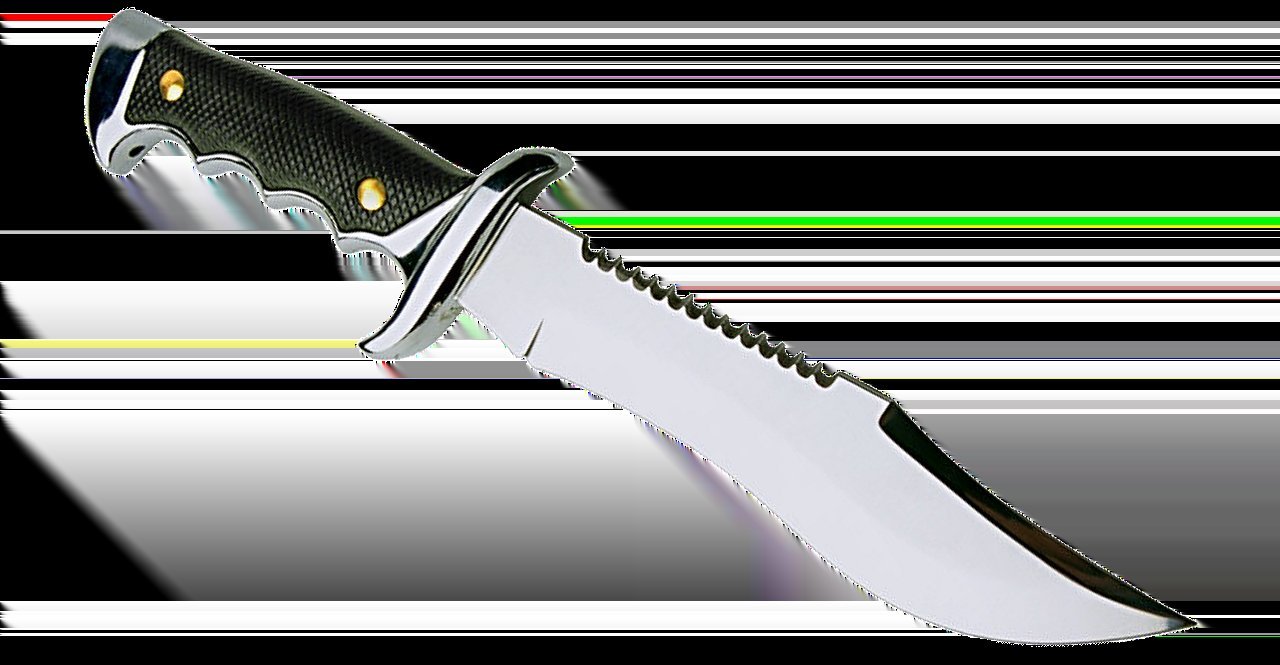
Fixed-blade knives are characterized by their robust construction and lack of moving parts. They are ideal for heavy-duty tasks such as skinning, gutting, and butchering game. The blades typically range from 4 to 8 inches in length, with designs suited for specific tasks.
Pros:
- Superior strength and durability.
- Easier to maintain and sharpen.
- Generally, offer a more substantial grip.
Cons:
- Bulkier and harder to carry.
- Requires a sheath for safe storage.
Folding Knives
Folding knives offer convenience and portability, making them a favorite among hunters who prefer a compact option. They have blades that fold into the handle, allowing for safer transport.
Pros:
- Lightweight and easy to carry.
- Available with various locking mechanisms for safety.
- Versatile for multiple tasks.
Cons:
- Typically less sturdy than fixed-blade knives.
- May not perform as well in demanding tasks.
Multi-Tools
Multi-tools combine various tools, including knives, pliers, and screwdrivers. While they might not excel in specific roles, they are convenient for hunters who require versatility.
Pros:
- Compact and multi-functional.
- Convenient for minor repairs or adjustments in the field.
Cons:
- Limited blade strength and performance.
- Can be heavy if over-packed with features.
Key Features to Look for in a Hunting Knife
Choosing the right hunting knife requires careful consideration of several key features. Here are the most important factors to keep in mind:
Blade Material
The material of the blade plays a significant role in its performance and longevity. Common blade materials include:
- Stainless Steel: Resists corrosion and reduces maintenance but may not hold an edge as well as carbon steel.
- Carbon Steel: Holds a sharper edge longer but requires more care to prevent rusting and corrosion.
Blade Design
The design and shape of the knife blade influence its versatility:
- Drop Point: Ideal for skinning and general use, featuring a slow, sloping curve that provides excellent control.
- Clip Point: Offers precision for detailed work, with a sharper tip for making incisions.
- Skinner: Specifically designed with a curved blade for efficiently skinning and processing game.
Size and Weight Considerations
The size and weight of a hunting knife can affect its usability. A balance between portability and functionality is necessary:
- Blade Length: Generally, hunting knives range from 3 to 7 inches. Choose a size appropriate for the type of game you’re hunting.
- Knife Weight: A heavier knife can provide better chopping power but may become tiresome with prolonged use. Lightweight knives are easier to carry but might not withstand rigorous tasks.
Handle Material and Grip
A comfortable handle is essential for effective use, especially during extended periods. Common handle materials include:
- Wood: Offers a classic look but can require more maintenance and care.
- Synthetic Materials: Provide durability and better grip in wet conditions, ideal for hunting environments.
- Rubberized Handles: Ensure excellent grip and shock absorption, crucial for high-pressure situations.
A good grip design, such as finger grooves or textured surfaces, can enhance control, reducing the risk of accidents during use.
Additional Features to Consider
Several additional features may enhance the functionality and ease of use of a hunting knife:
Sheath
A sheath protects the blade and provides safe storage. Look for high-quality materials such as leather or Kydex, ensuring durability and ease of carry.
Full Tang Construction
Knives with full tang construction extend the blade’s metal all the way through the handle, adding strength and stability. This is particularly important for knives expected to experience heavy use.
Edge Type
The edge of your knife can also influence its performance:
- Straight Edge: Easier to sharpen and ideal for slicing and skinning tasks.
- Serrated Edge: Useful for cutting through tough materials, such as rope or hide but harder to sharpen.
Brand Reputation and Warranty
Choosing a reputable brand can greatly enhance your hunting knife experience. Brands with a history of quality craftsmanship often provide better performance and durability. Also, it’s wise to consider warranty options as a mark of confidence in the product’s longevity.
Budgeting for a Hunting Knife
The price of hunting knives can vary significantly based on materials, craftsmanship, and features. Affordable options can start at around $20, while high-end custom knives may cost over $500. Establishing a budget before shopping can help focus your search, ensuring you select the best knife for your monetary investment.
Researching and Testing
Before settling on a hunting knife, researching reviews and expert opinions can provide valuable insights into performance and durability. If possible, physically testing the knife in-store can help assess comfort, grip, and overall feel.
Customization Options
Some hunters prefer to invest in a custom knife tailored to their specific needs. Customization allows hunters to choose blade shapes, materials, and even engravings that make the knife uniquely personal.
Learning Basic Maintenance
Proper maintenance prolongs the life of your hunting knife. Regularly cleaning the blade after use and sharpening it with a whetstone, or honing rod, is critical. Additionally, oiling the blade periodically can prevent rusting, especially in stainless steel knives.
Final Thoughts on Selection Criteria
Choosing the best hunting knife can significantly enhance your hunting experience. By considering the types available, key features, and personal preferences, you’ll be well-equipped to make an informed decision. It’s essential to weigh each factor based on your hunting activities, ensuring you choose a knife that suits both your needs and style. Quality tools can elevate your skills and enjoyment in the field, enabling more efficient and successful hunts.