



The Ultimate Guide to Choosing the Best Kitchen Knife
Understanding Knife Types
- Chef’s Knife
The chef’s knife is the workhorse of the kitchen, typically measuring between 8 to 10 inches. This versatile blade helps with a range of tasks from slicing vegetables to chopping meats. Look for a model with a high-carbon stainless steel blade for durability and sharpness retention. - Paring Knife
Measuring about 3 to 4 inches, the paring knife is perfect for intricate tasks like peeling fruits or deveining shrimp. A good paring knife should have a comfortable grip and a pointed tip for precision. - Bread Knife
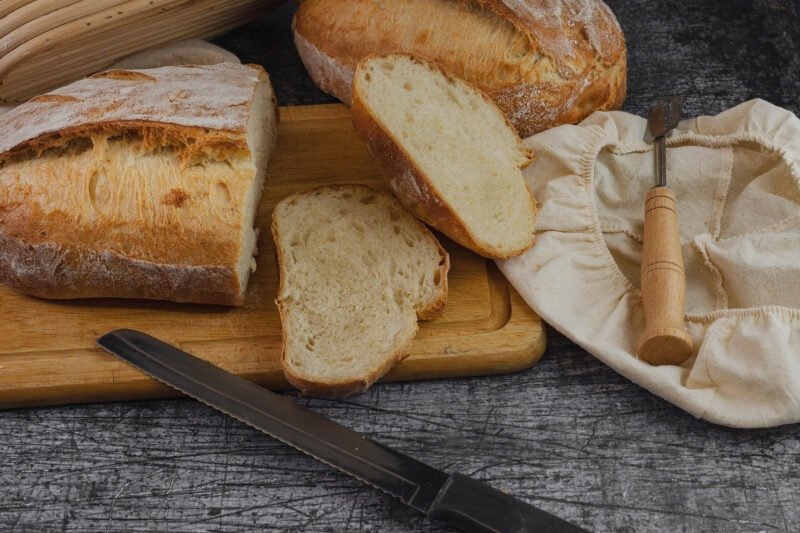
Characterized by its long, serrated edge, a bread knife, usually 8 to 10 inches long, is essential for slicing through crusty loaves without smashing the bread inside. Opt for a knife with a robust handle and a blade that maintains its sharp edge. - Santoku Knife
Originating from Japan, the Santoku knife combines features of a chef’s knife and a paring knife. Typically around 7 inches, it has a flat edge and is ideal for slicing, dicing, and mincing. Its granton edge (the indentations along the side) helps reduce friction, making it easier to cut through food. - Fillet Knife
Designed for filleting fish, this knife features a flexible blade about 6 to 9 inches long, allowing for precision cuts close to the bone. It’s generally thinner than other knives to enable delicate work.
Key Features to Consider
- Material
- Steel Types
- High-Carbon Stainless Steel: Holds an edge well and resists rust.
- Ceramic: Lightweight and won’t rust, but can chip easily and requires special sharpening.
- Carbon Steel: Offers excellent sharpness, but requires more maintenance to prevent rust.
- Steel Types
- Blade Construction
- Forged vs. Stamped
- Forged Knives: Made from a single piece of steel, known for strength and durability.
- Stamped Knives: Cut from a sheet of steel; generally lighter and less expensive but may lack the same balance and edge retention.
- Forged vs. Stamped
- Handle Design
Consider ergonomics; the handle should feel comfortable in your hand. Materials include wood, plastic, and composite. Wooden handles provide a classic feel, whereas synthetic materials offer better water resistance and grip. - Weight
A heavier knife provides more force during cutting, whereas a lighter knife may offer more maneuverability. Choose a weight that feels comfortable for your cooking style. - Balance
The knife should feel balanced in your hand. A well-balanced knife allows for easier and more controlled cutting. Hold the knife at its spine and check if the blade tips toward the handle or the tip.
Identifying Quality
- Blade Thickness
A good knife will have a blade thickness of about 2-3 mm, ensuring it is robust yet sharp. - Edge
Look for a knife with a sharp edge that can be easily honed. A V-edge is standard, while some may prefer a more acute angle for finer tasks. - Construction Techniques
Quality knives often feature various manufacturing techniques, such as ice-hardening, which increases toughness and edge retention.
Maintenance and Care
- Sharpening
Regular sharpening is crucial. Use whetstones, honing rods, or electric sharpeners, depending on your comfort level and knife type. Aim to keep the angle consistent—typically between 15-20 degrees for most European and Japanese knives. - Cleaning
Always hand wash your knives with mild soap and water. Never put them in a dishwasher, as the heat and detergent can damage the blade and handle. - Storage
Store knives in a way that protects the blade. Knife blocks, magnetic strips, and dedicated knife rolls are excellent options that prevent dulling.
Popular Brands
- Wüsthof
Offering a range of high-quality forged knives, Wüsthof is renowned for durability and precision. - Global
The Japanese brand Global specializes in lightweight, high-carbon stainless steel knives that are well-balanced. - Shun
Known for its beautiful aesthetics and exceptional sharpness, Shun blades are hand-crafted and offer an exceptional cutting experience. - Victorinox
Best known for Swiss Army knives, Victorinox also produces affordable and durable kitchen knives that are incredibly popular among both novice and professional cooks. - Miyabi
With elegant designs and outstanding performance characteristics, Miyabi knives are crafted using traditional Japanese techniques, featuring beautiful Damascus steel patterns.
Finding the Right Knife for You
- Determine Your Needs
Assess your cooking habits. Do you frequently chop vegetables? Then a chef’s knife or Santoku might be your best choice. Baking? Consider a bread knife. - Test for Comfort
If possible, physically handle the knife. A kitchen knife should feel natural in your hand and align with your grip style. - Set a Budget
Kitchen knives come in a range of prices. Quality doesn’t always correlate with cost, so set a budget, keeping in mind that investing in a reliable knife can save money over time as it will last longer. - Consider a Set vs. Individual Knives
Knife sets can be economical, but purchasing individual knives may suit your specific needs better. Start with a few essential knives and expand your collection over time. - Seek Reviews
Before making a purchase, check user reviews and expert critiques. Platforms like Amazon or culinary blogs often feature detailed insights and ratings.
By understanding the types, materials, and maintenance of kitchen knives, and by evaluating personal preferences and needs, you can make an informed decision to choose the knife that will elevate your culinary experience to new heights.