


What is a Santoku Knife?
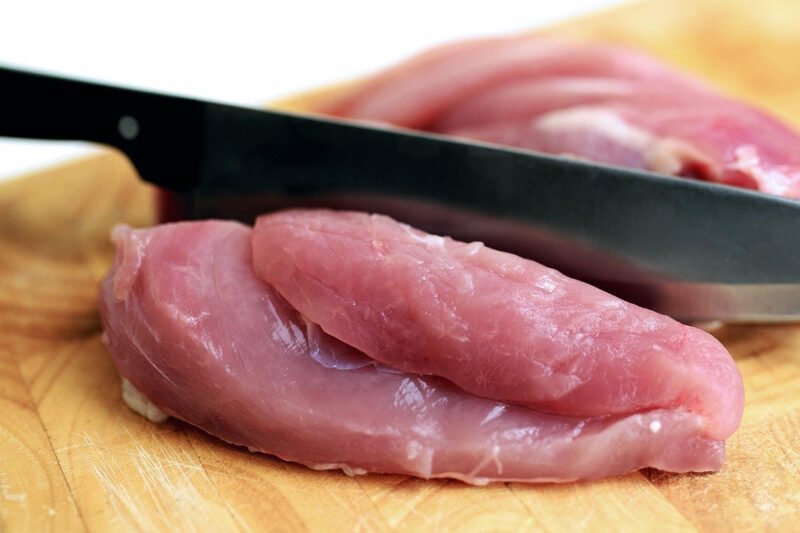
The Santoku knife, a Japanese culinary tool, has gained global popularity among chefs and home cooks alike for its versatility and efficiency. Its name translates to “three virtues,” which refer to its three primary uses: slicing, dicing, and mincing. This knife typically features a broad, flat blade between 5 to 8 inches long, with a slightly curved edge, allowing for a smooth rocking motion during cutting.
Key Features of a Santoku Knife
Blade Material
The blade material significantly impacts a Santoku knife’s performance, durability, and maintenance. Common materials include stainless steel, high-carbon steel, and ceramic.- Stainless Steel: This material resists rust and corrosion, making it a practical option for everyday use. However, its edge retention may not be as outstanding as high-carbon steel.
- High-Carbon Steel: Known for its sharpness and edge retention, high-carbon steel can hold an edge longer than stainless steel but requires more maintenance to prevent rusting.
- Ceramic: Lightweight and resistant to wear, ceramic blades ensure a sharp edge for extended periods. However, they can be brittle and prone to chipping.
Blade Design
The silhouette of a Santoku knife often includes a flat edge with a rounded tip that allows for efficient chopping motions. Many knives feature granton edges (indentations along the sides of the blade) that reduce friction and prevent food from sticking.Handle Comfort and Ergonomics
A Santoku knife is only as effective as the comfort level of its handle. An ergonomic handle should fit comfortably in your hand, providing a secure grip. Common handle materials include wood, plastic, and metal. It’s essential to choose a handle that feels natural and balanced during use.- Weight and Balance
The best Santoku knife should provide a balanced feel between the blade and handle. A well-balanced knife allows for effortless control and minimizes fatigue during prolonged use. Heavier blades are often more suitable for tougher tasks, while lighter knives excel in finesse and precision.
Factors to Consider When Choosing a Santoku Knife
Size Matters
Santoku knives typically range from 5 to 8 inches in blade length.- 5 to 6 Inches: Ideal for those with smaller hands or for tasks requiring agility, such as fine chopping.
- 7 to 8 Inches: Provides a more substantial cutting experience and is better suited for larger ingredients or those needing a bit more leverage.
Purpose of Use
Determine the primary use of your Santoku knife. For general kitchen use, a versatile 7-inch model may suffice. If you engage in specific tasks like fish or meat preparation, consider specialized Santoku designs catering to those needs.Brand Reputation and Reviews
Renowned brands such as Shun, Wüsthof, and Miyabi are celebrated for their craftsmanship. Research customer reviews and expert recommendations to ensure a reliable purchase.Maintenance Requirements
Evaluate how much time and effort you’re willing to invest in knife maintenance. Some materials, like high-carbon steel, demand a stricter upkeep regimen, including regular honing and oil application. If you prefer low-maintenance options, consider stainless steel or ceramic.- Price Point
The price of Santoku knives varies widely depending on the materials and craftsmanship. While high-end models can exceed $200, there are excellent budget options available for under $50. Determine a budget that aligns with your cooking frequency and level of commitment.
How to Properly Care for Your Santoku Knife
Washing and Drying
Always hand wash your Santoku knife with warm, soapy water immediately after use. Avoid using the dishwasher, as it can damage the blade and handle. After washing, dry the blade thoroughly to prevent moisture-related issues.Sharpening Techniques
Regularly honing your Santoku knife helps maintain its optimal sharpness. Use a whetstone or honing steel, depending on your knife’s blade material. For high-carbon steel, sharpening should occur after extended use, while stainless steel may require less frequent sharpening.- Storage Solutions
To preserve the blade and prevent accidents, invest in proper storage options. A knife block, magnetic strip, or blade guard can effectively keep your Santoku knife protected when not in use.
Popular Santoku Knife Brands
Shun
Renowned for their artisanal craftsmanship, Shun knives feature VG-Max steel and beautiful D-shaped handles. Their Santoku knives are designed for precision and aesthetics, making them a favorite among culinary professionals.Wüsthof
A German brand, Wüsthof is known for its superior sharpness and balance. Their Santoku knives feature a unique handle design and a signature full tang, ensuring stability and control.Miyabi
Miyabi blends Japanese artistry with German engineering. The Santoku knives often showcase stunning Damascus patterns and D-shaped handles, appealing to both functionality and design.- Dalstrong
An emerging brand, Dalstrong produces high-quality Santoku knives at competitive prices. Designed for performance, their knives boast premium materials and innovative designs, making them suitable for all levels of cooks.
Recommendations for the Best Santoku Knives
Shun Classic 7-Inch Santoku Knife
Known for its outstanding sharpness and stunning aesthetics, this knife is crafted from VG-Max steel with a layered Damascus finish. The ergonomic D-shaped handle provides a comfortable grip, making it an excellent choice for both professional chefs and home cooks.Wüsthof Classic 7-Inch Santoku Knife
Featuring a high-carbon stainless steel blade, this knife offers durability and sharpness. The full tang design ensures optimal balance, while its triple-riveted handle adds comfort and style.Miyabi 5000FCD 7-Inch Santoku Knife
A superb combination of beauty and functionality, this knife boasts a 65-layer Damascus blade. Its ice-hardened steel ensures superior sharpness and durability, while the ergonomic handle provides optimal control during use.- Dalstrong Gladiator Series 7-Inch Santoku Knife
An affordable yet high-quality option, this knife features a high-carbon stainless steel blade and a comfortable G10 handle. Its sleek design and robust performance make it a favorite for home cooks seeking value without compromising quality.
Testing Your Santoku Knife in the Kitchen
After selecting the perfect Santoku knife, put it to the test in your kitchen. Practice chopping vegetables, slicing meats, and preparing various dishes to fully appreciate its performance. Pay attention to the balance, grip, and ease of use, allowing you to familiarize yourself with its capabilities and limitations.
Final Thoughts on Choosing Your Santoku Knife
Finding the best Santoku knife ultimately depends on personal preferences, cooking style, and budget considerations. With a variety of options available, invest the time necessary to select a knife that aligns with your needs. Prioritize quality, care, and proper usage techniques to ensure your knife serves you well in the kitchen for years to come.