


Introduction to the Art of Knife Making
The art of knife making boasts a rich history that transcends geographical boundaries, anchored in cultural significance across various regions. Historically, knives were among humanity’s earliest tools, utilized for purposes ranging from hunting and food preparation to ceremonial uses. The evolution of knife making reflects the creative ingenuity of different societies, adjusting designs and materials based on available resources and specific needs. As humanity progressed, so too did the intricacies involved in creating a knife, elevating it from mere practicality to a sophisticated craft.
In many cultures, knife making developed into an esteemed art form, showcasing a commitment to quality and craftsmanship. For instance, countries such as Japan and Germany have cultivated distinct techniques, leading to their reputations as culinary leaders in knife production. Japanese knife makers, for example, are renowned for their mastery of traditional forging techniques that yield exceptionally sharp and durable blades. This dedication to craft is often complemented by the use of high-quality materials, ranging from high-carbon steel to advanced composite materials, which are critical to producing optimal culinary instruments.
What makes knife making particularly captivating is the transfer of knowledge from one generation to the next, preserving time-honored methods and practices. Artisans often learn from masters, fostering a sense of community within their craft. This cultural lineage not only promotes the appreciation of knife making as an art but also ensures the sustainability of these practices. Understanding the significance of knife making leads to recognizing why certain countries stand out in the global culinary landscape, celebrated for their exceptional knife-making expertise. This exploration reveals the remarkable journey of knives, illustrating their transformation from utilitarian objects to exquisite culinary tools coveted by chefs around the world.
Top Countries Renowned for Knife Making
When discussing the art of knife making, a handful of countries stand out due to their rich histories, unique techniques, and high-quality craftsmanship. Japan, Germany, Sweden, and the USA are particularly renowned for producing exceptional knives that are cherished by chefs and culinary enthusiasts alike.
Japan is celebrated for its traditional blade-making techniques, often rooted in centuries-old practices. Japanese knives, known for their exceptional sharpness and precision, are typically made from high-carbon steel, which allows them to achieve a razor-sharp edge while maintaining durability. The craftsmanship involved in producing these knives is meticulous, with many artisans specializing in specific types, such as Yanagiba for sushi preparation or Nakiri for vegetable cutting. The fusion of traditional methods and modern technology contributes to the unparalleled performance of Japanese knives.
Germany’s knife-making tradition, on the other hand, is synonymous with quality and durability. German knives are often characterized by their robust construction and full-tang design, which provides a perfect balance and control. Popular brands such as Wüsthof and Henckels have established Germany as a leader in the knife industry, particularly known for versatile chef’s knives and specialized cutting tools. The use of high-quality stainless steel allows these knives to withstand significant wear and tear, making them a reliable choice for professional kitchens.
Sweden is recognized for its innovative approach to knife making, particularly with the use of modern materials that enhance performance. Swedish knives, like those from the well-known brand Morakniv, are crafted with exceptionally hard steel and ergonomic handles, making them favorites among outdoor enthusiasts and chefs alike. Their focus on functionality combined with sleek design emphasizes the practicality required in culinary settings.
Lastly, the United States has carved a niche for itself with a diverse range of styles and innovations. From handmade custom knives to mass-produced options, American knife makers blend traditional techniques with contemporary design elements, catering to various preferences and culinary tasks. Brands like Benchmade and Shun exemplify the commitment to quality and performance, producing knives that stand up to rigorous use in the kitchen.
Each of these countries brings something unique to the table in the field of knife making, contributing to a rich culinary landscape that continues to evolve. Their dedication to craftsmanship and innovation ensures that knives from these regions remain highly sought after by professionals and home cooks around the world.
Key Features of World-Class Knives
When searching for a high-quality knife, several key features determine its performance and longevity. The most critical aspect is the blade material. Top-tier knives are typically made from high-carbon stainless steel, which combines durability with excellent edge retention. This material is favored for its resistance to rust and corrosion, making it ideal for culinary environments where knives are frequently exposed to moisture. Alternatives like high-carbon steel are favored by some professional chefs for their ability to take a sharper edge, despite requiring more care to prevent rust.
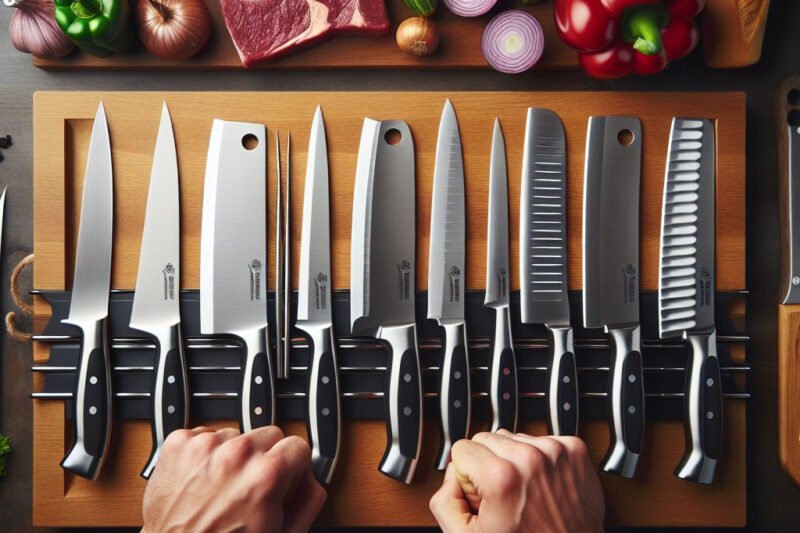
The design of the knife is another essential characteristic. A well-designed knife not only looks aesthetically pleasing but also enhances functionality. Different blade shapes and lengths serve various purposes; for instance, a chef’s knife with a curved blade allows for a rocking motion during chopping, while a precision paring knife excels in detailed work. Likewise, the handle design is paramount; it should fit comfortably in hand, providing a secure grip that allows for control during use. Materials such as wood, plastic, and composites offer distinct feels and weight distributions, which can significantly influence the user experience.
Balance and weight are equally important in assessing a knife’s quality. A properly balanced knife feels “alive” in the hand, improving precision and reducing fatigue during extended use. This balance often varies by region, due to cultural differences in knife-making traditions. Master knife makers invest time in achieving the optimal balance, considering the specific tasks their knives will face. Finally, precision in craftsmanship is fundamental; knives should feature clean, sharp edges and a polished finish, reflecting attention to detail and superior quality control.
When investing in a knife, it is crucial to evaluate these components, as they contribute significantly to the overall performance and user satisfaction. Understanding the importance of blade material, design, balance, and craftsmanship will empower individuals to make informed choices and invest in knives that cater to their culinary needs.
The Future of Knife Making
The evolution of knife making continues to unfold as traditional craftsmanship meets modern technology, creating a dynamic landscape for the industry. In recent years, there has been an increase in the blending of age-old techniques with contemporary innovations, particularly through the use of advanced materials and manufacturing processes. This synergy not only enhances the functionality of knives but also elevates their aesthetic appeal, making them objets d’art as much as practical tools.
Moreover, the rising popularity of artisan knife makers has significantly contributed to the knife-making scene. As consumers develop a deeper appreciation for handmade, custom products, these artisans often emphasize uniqueness and quality over mass production. This trend reflects a shift towards personalized culinary experiences, where chefs and enthusiasts alike seek knives that resonate with their specific needs and styles. Artisan craftsmanship revitalizes local economies and fosters a sense of community through the preservation of traditional skills.
As sustainability becomes increasingly important across various industries, the knife-making sector is no exception. Many makers and manufacturers are now prioritizing eco-friendly practices by sourcing materials responsibly and reducing waste in their workshops. The incorporation of recycled elements, such as reclaimed wood for handles or repurposed metals for blades, not only lessens environmental impact but also adds a unique narrative to each knife. These sustainable efforts are likely to continue shaping industry standards and consumer preferences in the coming years.
Looking ahead, the knife-making industry will potentially witness further globalization, promoting cross-cultural exchanges of techniques and styles. As international markets grow more interconnected, local craftspeople may find inspiration from diverse traditions, enabling them to expand their craftsmanship. This melding of cultures might equally lead to the emergence of hybrid knives that reflect a variety of influences, enhancing the art form while respecting its rich heritage.