


Understanding the Cimeter Knife: A Comprehensive Guide
What is a Cimeter Knife?
A cimeter knife, also known as a scimitar knife, is a specialized kitchen tool designed primarily for butchering meat. Its curved, long blade and pointed tip make it an ideal instrument for slicing large cuts of meat, particularly in commercial kitchens and meat processing facilities. The unique design of the cimeter knife allows for precision cuts, and it is favored by butchers, chefs, and culinary enthusiasts alike.
History and Origin
The cimeter knife has its origins in the Middle Eastern curved sword known as the scimitar. As culinary practices evolved, the shape of this blade was adapted for the kitchen, resulting in the cimeter knife we know today. Traditionally used in cultures with a strong meat-eating demographic, this knife became an essential tool for efficiently processing large quantities of meat.
Anatomy of a Cimeter Knife
Understanding the components of a cimeter knife is crucial for its effective use:
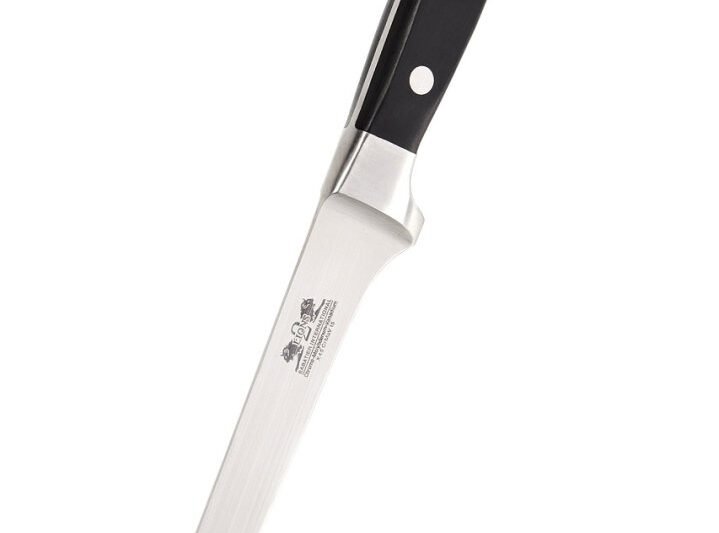
- Blade: Typically between 10 to 14 inches long, the blade is wider and curved, allowing for smooth, long strokes when cutting.
- Edge: The edge can be either straight or serrated, depending on the intended use. A straight edge is preferable for clean cuts, while a serrated edge can handle tougher materials.
- Tip: The pointed tip aids in puncturing tough hides or sinew, allowing chefs to separate meat from bone effectively.
- Handle: Designed ergonomically, the handle is often made from materials like wood or high-density plastic, providing a comfortable grip during extended use.
- Tang: This component connects the blade to the handle, significantly affecting the knife’s balance and durability.
Types of Cimeter Knives
Cimeter knives come in various types, tailored for specific tasks:
- Butcher Cimeter Knife: This is the most common variant, ideal for breaking down whole segments of meat and trimming fat.
- Fillet Cimeter Knife: Featuring a thinner blade, it is perfect for filleting fish or delicately slicing delicate cuts of meat.
- Slicing Cimeter Knife: Its longer blade is designed specifically for slicing cooked meats, allowing for thin, even portions.
Features to Consider When Buying a Cimeter Knife
When shopping for a cimeter knife, consider several key features:
- Material: Stainless steel is a popular choice due to its resistance to corrosion and its ability to hold a sharp edge. High-carbon steel is also an option but requires more maintenance.
- Length: A general rule of thumb is to choose a knife that feels comfortable in your hand. Longer knives provide longer cuts but can be unwieldy for smaller hands.
- Weight: The weight of the knife should balance well; it shouldn’t feel too heavy or too light while cutting. A well-balanced knife stabilizes the cutting process.
- Handle Comfort: Look for a handle that feels secure and fits comfortably in your palm. Non-slip materials are preferable for preventing accidents in a busy kitchen.
Maintenance Tips for Cimeter Knives
To ensure longevity and optimal performance of your cimeter knife, follow these maintenance tips:
- Cleaning: Always wash your knife immediately after use with warm water and mild soap. Avoid putting it in the dishwasher, as high temperatures can damage the blade.
- Sharpening: Regularly sharpen the knife using a whetstone or professional sharpening service. A sharp knife not only performs better but is also safer than a dull one.
- Storage: Store your knife in a protective sheath or magnetic strip to prevent blade damage and maintain edge sharpness.
- Avoid Cutting on Hard Surfaces: Use a wooden or plastic cutting board to protect the blade from chipping and dulling.
Cutting Techniques with a Cimeter Knife
Mastering the technique of using a cimeter knife can significantly enhance your efficiency in the kitchen:
- Basic Cuts: When cutting larger pieces of meat, use long, smooth strokes, leveraging the length of the blade for wider cuts.
- Trimming: To trim fat, hold the knife at a slight angle. This allows you to remove excess without sacrificing too much of the meat.
- Deboning: The pointed tip is excellent for separating meat from bones. Start by making small incisions around joints before gently separating the meat with the knife’s edge.
- Slicing Finished Meats: For sliced roast or brisket, rest the meat to allow juices to redistribute, then use the knife at an angle to create even slices.
Applications Beyond Butchering
While primarily used for meat processing, the cimeter knife has versatile applications in culinary settings:
- Vegetable Prep: Although not as common, the cimeter knife can be effectively used for slicing large quantities of vegetables.
- Cake Slicing: The long blade allows for beautifully even cake layers when slicing layered cakes.
- Cheese: Some chefs use it for slicing large blocks of cheese due to its size and sharpness.
Conclusion
Though the cimeter knife may initially seem like a niche tool, its versatility and specific design not only enhance butchering tasks but also broaden its application across culinary practices. Whether you’re an amateur cook or a seasoned chef, understanding how to effectively use, maintain, and appreciate the cimeter knife can elevate your kitchen skills significantly. Embrace this tool, and you will find it to be a crucial part of your culinary arsenal.