


The Importance of a Serrated Bread Knife in Your Kitchen
Understanding Serrated Bread Knives
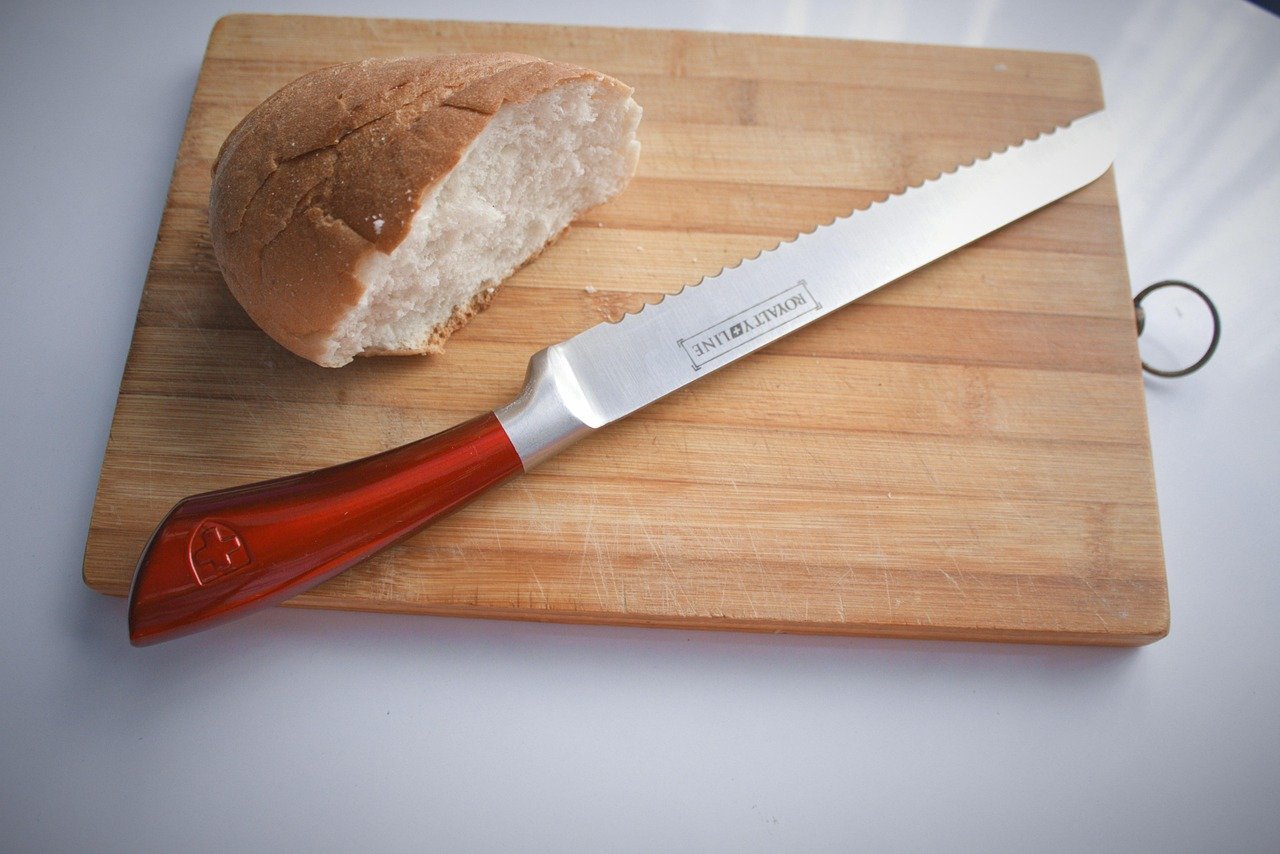
A serrated bread knife is a kitchen tool designed specifically for slicing through various types of bread and baked goods. What differentiates it from standard kitchen knives is its long, serrated edge, which allows for a sawing motion that makes cutting easier and cleaner. Typically, bread knives range from 8 to 14 inches in length, with the most common size being around 10 inches. This unique design is not just aesthetic but serves several purposes that make it a staple in any kitchen.
Benefits of Using a Serrated Bread Knife
Clean Cuts Without Crushing
The primary advantage of using a serrated knife is its ability to make clean cuts without crushing the soft interior of the bread. The serrations bite into the crust, creating a sawing effect that’s more effective than a traditional straight-edged knife. This is particularly important for delicate breads like baguettes or sourdough, where maintaining the structure of the bread is crucial.Versatility Beyond Bread
While designed for bread, serrated knives are incredibly versatile. They excel not only in slicing various bread types but also in cutting through other soft foods. From tomatoes to cakes and even fruits like pineapples or melons, a serrated knife can handle a multitude of kitchen tasks, making it an invaluable multi-functional tool.Less Resistance
The unique design of the serrated edge involves less resistance while cutting. The pointed tips of the serrations engage the food with less force, allowing for a smoother cutting experience. This feature is especially helpful for those with less hand strength, ensuring that everyone can slice through their favorite loaves effortlessly.Durability
Serrated knives tend to maintain their sharpness longer than straight-edge knives. Because the serrations create multiple cutting points, they endure less wear and tear during cutting. This longevity not only saves money by reducing the frequency of sharpening but also contributes to increased cooking efficiency.Safety Concerns
When using a serrated knife, the design inherently leads to a more controlled cutting action. This characteristic minimizes the chances of slipping or accidentally cutting oneself. The saw-like motion allows users to navigate through dense crusts and soft interiors with increased safety.
Choosing the Right Serrated Bread Knife
When selecting a serrated bread knife, several factors come into play, including length, handle comfort, and blade material.
Blade Length
Choosing the right length depends on the types of bread you typically handle. A 10-inch knife is ideal for most home bakers, while serious bakers may prefer a 12 or 14-inch blade for larger loaves. The key is to ensure that the blade is long enough to cut through the entire loaf in one motion.Handle Comfort
Comfort in handling is paramount. Opt for a knife that feels good in your hand, providing a secure grip that minimizes fatigue. Handles can be made from various materials, including wood, plastic, and rubber, each with its advantages. A good handle allows for better control and reduces the likelihood of slippage during cutting.Blade Material
Serrated knives are typically crafted from stainless steel, which is highly resistant to rust and corrosion, ensuring longevity. Some high-end options may offer carbon steel blades that hold an edge longer but may require more care to avoid rusting. Ultimately, the choice of blade material impacts both performance and maintenance.
Proper Usage Techniques
To maximize the use of a serrated bread knife, applying the correct cutting techniques is essential.
Gentle Pressure
When slicing, apply gentle downward pressure while dragging the knife back and forth. Avoid using excessive force, which can result in uneven cuts or damage to the loaf.Use a Stable Surface
A cutting board provides the best surface for slicing bread. Avoid cutting on surfaces that can move easily, as this increases the risk of accidents. A solid, non-slip cutting board ensures safety and precision.Slicing Technique
Start at the heel of the loaf and let the knife do the work. It’s helpful to angle the blade slightly to create an effective cutting path. Slowly glide through the crust and soft interior, focusing on even strokes for uniform slices.
Maintenance and Care
Even though serrated knives are incredibly durable, they still require proper maintenance to extend their lifespan.
Cleaning
Always hand wash your serrated knife with mild soap and warm water immediately after use. Avoid soaking it in water, as this can cause the handle material to degrade over time. A gentle scrub with a sponge ensures that food particles don’t linger in the serrations.Sharpening
Serrated knives do not require sharpening as frequently as straight-edge knives. However, they do need occasional touch-ups. Use a sharpening rod specifically designed for serrated blades or take it to a professional. Regular maintenance will keep your knife performing at its best.Storage
Proper storage is key to ensuring your serrated knife lasts for years. Avoid tossing it in a drawer with other utensils, as this can dull the blade. Instead, store it in a knife block, magnetic strip, or a protective sheath to prevent damage.
Conclusion
A serrated bread knife isn’t just an accessory; it’s an essential tool for any kitchen, elevating meal preparation with efficiency and convenience. Its ability to slice through even the most delicate breads without compromising quality is unrivaled, making it a favorite among chefs and home cooks alike. Investing in a high-quality serrated bread knife will not only enhance your culinary experience but also inspire confidence in baking and food preparation. Whether you’re a novice or an experienced cook, this indispensable kitchen tool is one that you’ll reach for time and again, bringing joy to the everyday act of eating.