


1. Use a High-Quality Knife
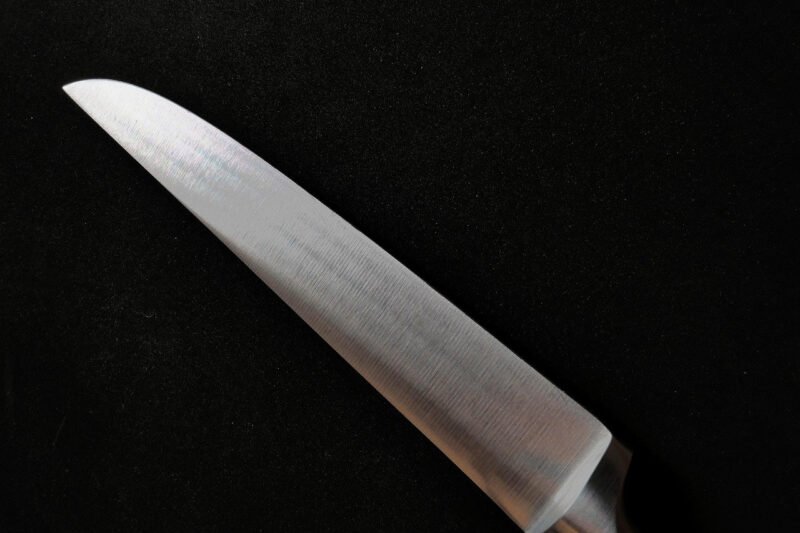
Investing in high-quality knives is the foundational step to ensuring longevity and sharpness. Knives made from high-carbon stainless steel or high-quality ceramics tend to maintain their edges longer compared to lower-end models. Premium materials are more resistant to wear and chipping, providing a sharper cutting edge that also stays sharper for extended periods. Look for trusted brands and read reviews to ensure you’re choosing knives that are not only aesthetically pleasing but also functionally superior.
2. Employ Proper Cutting Techniques
Improper cutting techniques can lead to dulling and damage to your knives. Always use a cutting board made of wood or plastic rather than glass or stone surfaces. Hard surfaces increase the risk of chipping and dullness. Additionally, cut with precision and avoid twisting or bending the knife during use. This will help maintain the blade’s alignment and edge integrity, ultimately keeping your knife sharp longer.
3. Regular Honing
Honing is a critical maintenance practice often overlooked. Unlike sharpening, which removes material from the blade, honing realigns the edge of the knife. Using a honing steel regularly can help maintain the sharpness of your knife between sharpening sessions. Hold the steel vertically and swipe the knife’s edge at a 20-degree angle against the steel, alternating sides. This should be done once every few uses, depending on how frequently you’re using the knife.
4. Proper Storage Solutions
How you store your knives significantly impacts their sharpness. Avoid placing them loosely in a drawer where blades can come into contact with other utensils. Opt for a magnetic strip, a knife block, or sheaths. Each of these options prevents the blades from being damaged or dulling due to friction against other items. A dedicated storage solution not only preserves the knives’ edge but also promotes safety in your kitchen.
5. Regular Cleaning and Maintenance
Cleaning your knives properly after use helps prevent corrosion and dullness. Avoid putting knives in the dishwasher as this exposes them to extreme heat and can cause degradation of the handle, as well as dulling the blade. Instead, wash them by hand in warm, soapy water, then dry thoroughly with a soft cloth. This routine minimizes the risk of rust and keeps the edge intact.
6. Avoid Cutting Through Hard Foods
Certain foods can severely impact your knife’s sharpness. Avoid cutting through hard items like frozen foods, bones, or hard vegetables like butternut squash. Instead, use a heavier knife or a cleaver suited for these tasks. By keeping your knives for intended uses, you’ll reduce the likelihood of nicks and dull edges, thus extending the time between sharpenings.
7. Choose the Right Knife for the Job
Using the right knife for the appropriate task not only affects your efficiency but also protects the blade. For instance, use a chef’s knife for chopping vegetables but switch to a paring knife for peeling fruits. Different knives are designed with specific functions in mind; employing them properly minimizes wear and tear on your more expensive knives, keeping them sharp longer.
8. Invest in a Quality Sharpening System
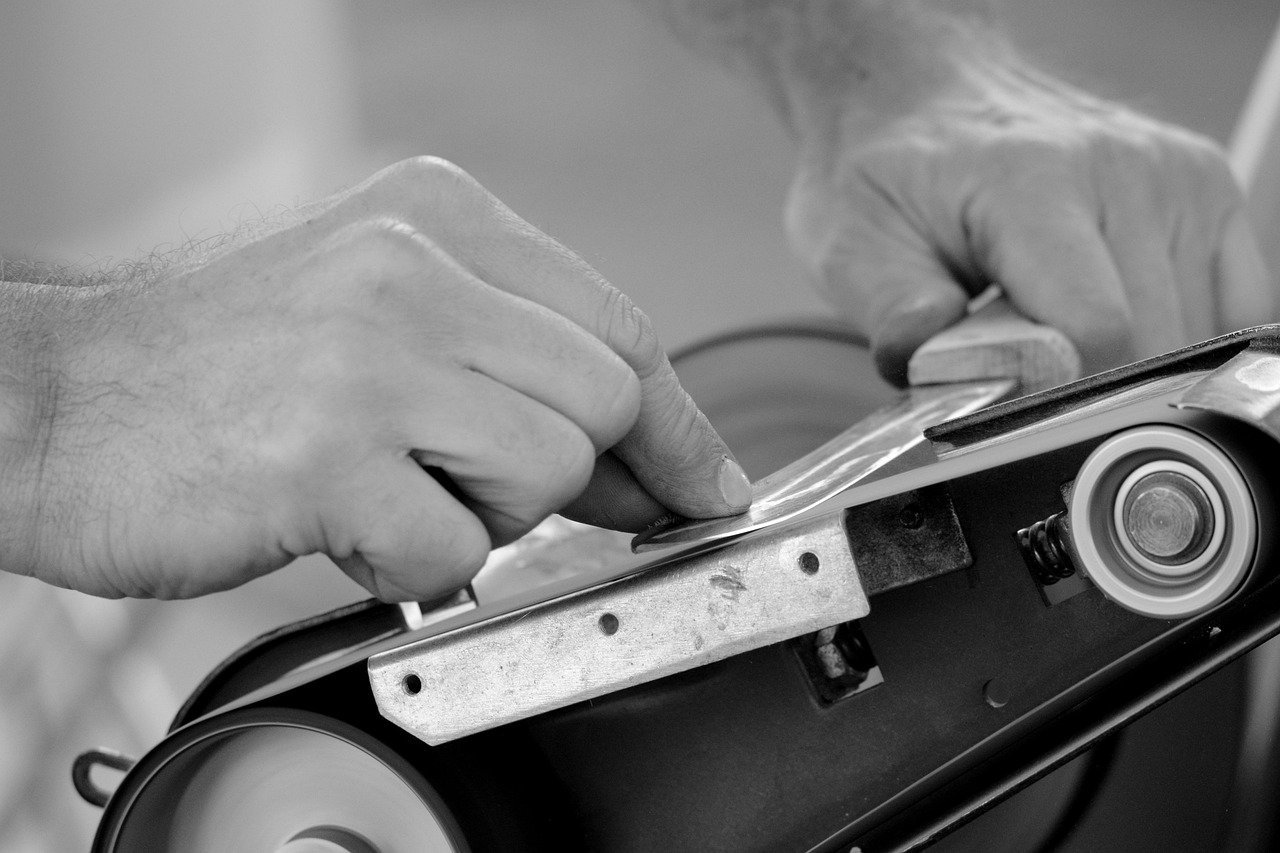
Choosing the proper sharpening system is crucial for maintaining your knives. Manual sharpening stones give you control but require practice to master, while electric sharpeners often provide consistent results but can be aggressive. Look for diamond whetstones or ceramic rods that allow for finer sharpening without removing excessive blade material. Whichever method you choose, make sure it matches your skill level and comfort.
9. Use an Edge Guard
An edge guard or blade guard is a simple yet effective tool for preserving knife sharpness. These inexpensive accessories fit over the blade and protect it from nicks and contacts while in storage or when transported. Investing in edge guards can notably reduce damage to the edges of your knives, ensuring they stay sharper for longer periods.
10. Consider Professional Sharpening
For knives that have dulled over time or if you simply lack the time or skills to sharpen them yourself, seeking professional sharpening services is a beneficial option. Professionals typically utilize advanced techniques and equipment that can restore your knives to a razor-sharp condition without the risk of damaging the blade. Consider making it a routine every six to twelve months to have your knives professionally sharpened, depending on use, to maintain optimal performance.
By following these ten tips, not only can you keep your knives sharper for longer, but you’ll also enhance your cooking experience, ensuring each cut is precise and effortless. Prioritizing proper care and maintenance of your knives is an investment into the quality of your culinary skills and the longevity of your kitchen tools.