



1. Understand the Types of Knife Sharpeners
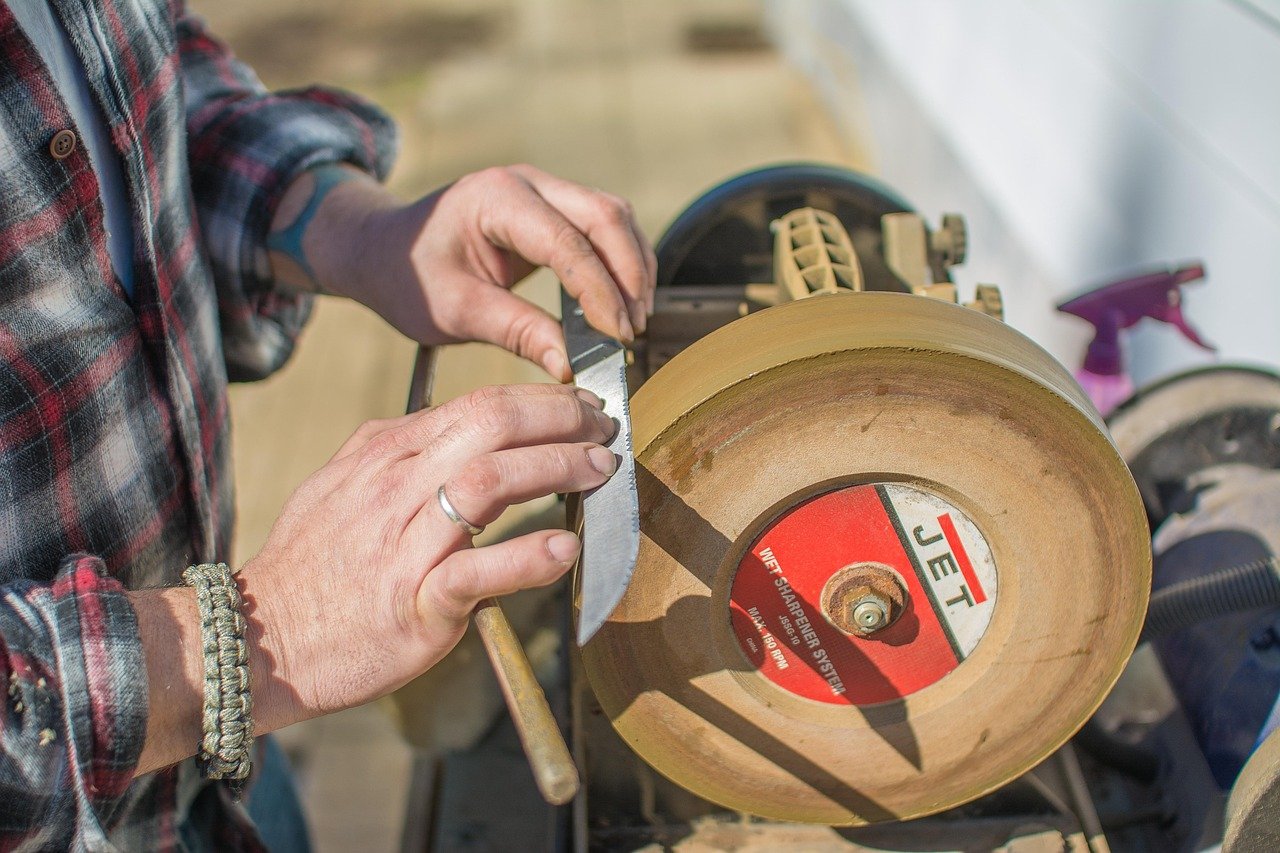
Before diving into maintenance tips, it’s crucial to identify the type of knife sharpener you’re using. Common types include manual sharpeners, electric sharpeners, and honing rods. Each type has a unique maintenance requirement.
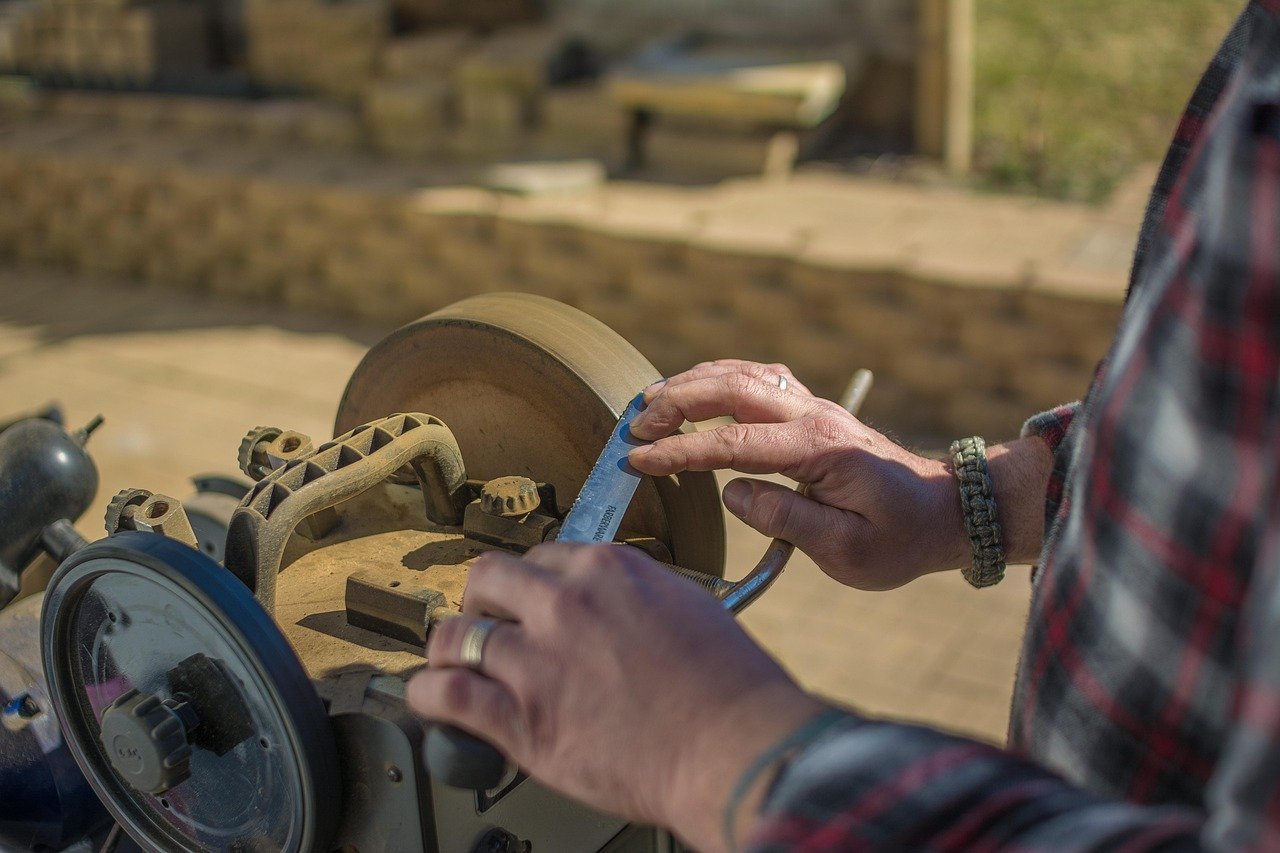

Manual Sharpeners: These are typically compact and easy to use. They may consist of two sharpening elements—often ceramic or diamond rods. Clean them by wiping with a damp cloth to remove metal filings and debris.
Electric Sharpeners: These require a bit more attention. Regularly check the sharpening stones for wear and tear. Manufacturers usually recommend replacing sharpening elements about once a year, depending on frequency of use.
Honing Rods: Though they don’t sharpen knives in the traditional sense, honing rods can get dirty over time. Wipe the rod with a soft cloth to prevent clogging.
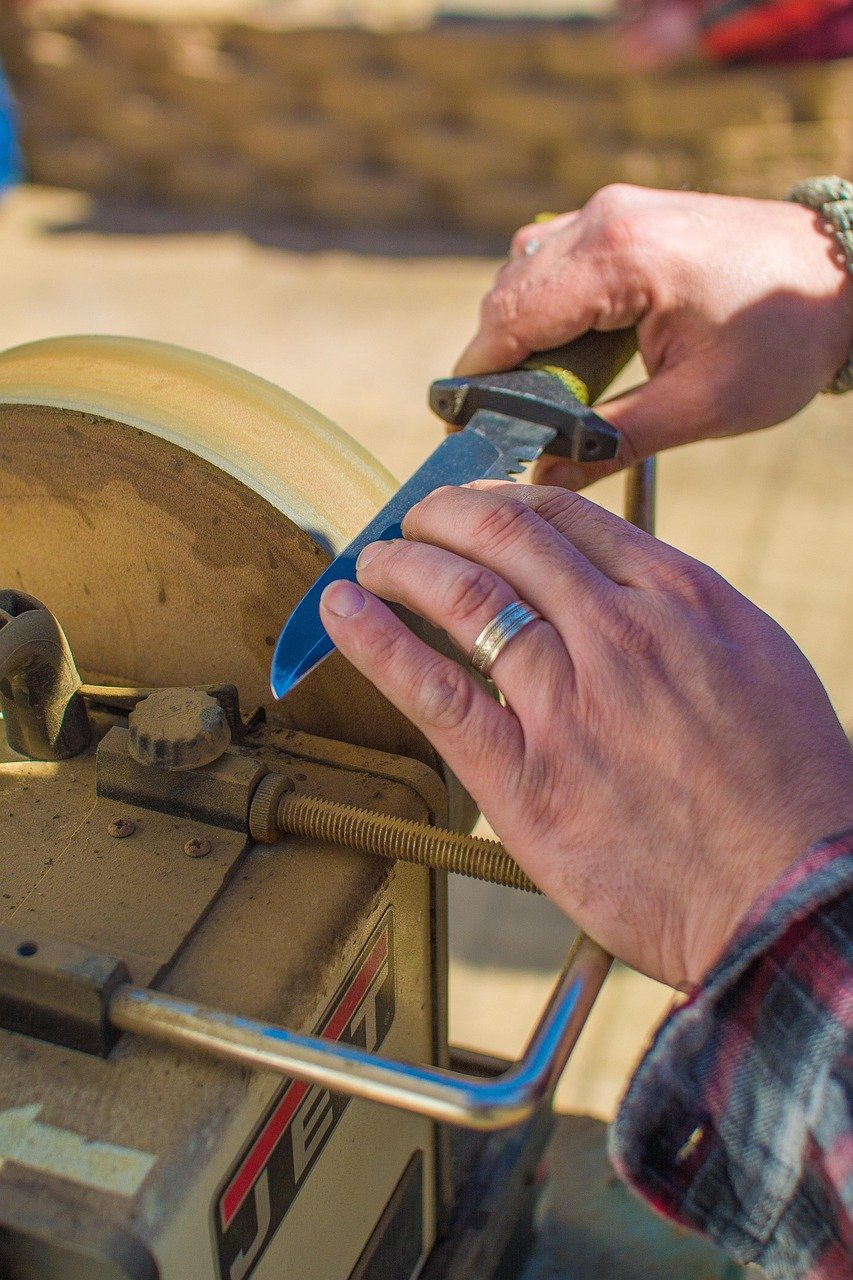
Knowing the specific maintenance requirements for your type of sharpener will serve as a foundation for keeping it in optimal condition.
2. Clean Regularly
One of the most important maintenance tasks is cleaning your sharpener regularly. Debris buildup can impact performance.
Manual and Electric Sharpeners: After every few uses, detach any removable components (a common feature in electric models) and wash them with warm, soapy water. Rinse thoroughly and let them air dry before reassembling.
Honing Rods: Use a damp cloth or sponge to wipe down the surface. If you notice any stains, a soft brush can remove tough residue. Avoid abrasive materials that might scratch.
Cleaning not only extends the life of your sharpener but also ensures that your knives maintain their edge without introducing unwanted contaminants.
3. Store Properly
How you store your knife sharpener can significantly impact its longevity.
Manual Sharpeners: Keep them in a drawer or on a shelf where they won’t be subjected to heavy objects that could lead to damage. Consider a dedicated storage box or case for more expensive models.
Electric Sharpeners: Ideally, place them on a countertop or a dedicated kitchen space where they won’t be moved frequently. Store the cord in a way that prevents tangling or pressure that might damage it.
Honing Rods: These should be stored upright in a designed holder or a magnetic strip to prevent bending or breaking. A soft sleeve can provide extra protection during storage, especially if your kitchen is bustling.
Proper storage minimizes the risk of accidental damage and keeps your sharpener ready for immediate use.
4. Check for Wear and Tear
Regularly inspect your knife sharpener for signs of wear and tear. Identifying issues early can save you from a more significant problem down the line.
Sharpening Stones: In electric sharpeners, the sharpening stones may lose their effectiveness over time. Look for signs like uneven surfaces or loss of grit. If you feel your knives aren’t sharpening efficiently, it may be time to replace these components.
Guide Slots: Manual sharpeners often have specific slots that help guide the knife at the correct angle. If these become misaligned or damaged, they may need repair or replacement.
Cracks and Chips: If you notice any cracks or chips in ceramic parts or the plastic housing of your sharpener, it’s time to consider a replacement for parts or the entire sharpener.
A proactive approach to wear and tear can extend the life of your equipment, preventing more costly replacements.
5. Follow Manufacturer Instructions
Every knife sharpener comes with specific maintenance instructions from the manufacturer. Adhering to these guidelines enhances your sharpener’s performance and longevity.
Blade Angle: Different manufacturers may recommend specific angles for sharpening knives. If your sharpener features adjustable angles, find the optimal setting based on the type of knife you’re working with.
Cleaning Solutions: Some high-end models might specify suitable cleaning agents. Avoid dish soaps with abrasive qualities unless recommended.
Replacement Parts: Keep track of any suggested timelines for replacing parts. This proactive strategy ensures that your sharpener always performs at its best.
Referencing the manufacturer’s guidelines not only protects your investment but also helps maintain the overall safety and efficiency of your kitchen tools.
Additional Tips for Sharpening Success
Use the Right Technique: Mastering the correct technique with your knife sharpener contributes to effective maintenance. Whether you employ a straight pull or an angular motion, it’s essential to apply consistent pressure without rushing through the process.
Invest in Quality: A high-quality sharpener is generally easier to maintain. Look for reputable brands known for durable materials and components. The initial investment can pay off in extended lifespan.
Educate Yourself: Finally, consider taking a sharpening class or watching tutorials related to your specific sharpener. Improved technique will enhance both your knife performance and the effectiveness of your sharpener.
Implementing these five essential tips can significantly improve the functionality, longevity, and safety of your knife sharpener, ensuring that your kitchen knives always perform at their best.


