



Understanding Knife Sharpening
Knife sharpening is an essential skill for anyone who cooks regularly. A sharp knife not only makes prep work easier but also contributes to food safety. Dull knives can slip while cutting, increasing the risk of injury. This guide will explore the art of knife sharpening, emphasizing frequency and practical tips to keep your knives in peak condition.
The Importance of Frequency in Sharpening
When it comes to knife maintenance, frequency is crucial. Regular sharpening ensures that the blade maintains its cutting edge, thereby enhancing performance and longevity. The sharpening frequency often depends on several factors:
Usage: How frequently you use your knives significantly impacts their sharpness. Professional chefs may sharpen their knives daily, while home cooks might do so weekly or bi-weekly.
Type of Cutting: The materials being cut also influence sharpening frequency. For instance, slicing through hard vegetables or frozen food will dull the knife faster than cutting soft fruits.
Knife Material: Different steels have varying wear characteristics. High-carbon stainless steel, for example, stays sharp longer than softer metals but may require more frequent honing.
Types of Sharpening Tools
Different tools serve various sharpening needs. Understanding these can help you choose the right one for your knives.
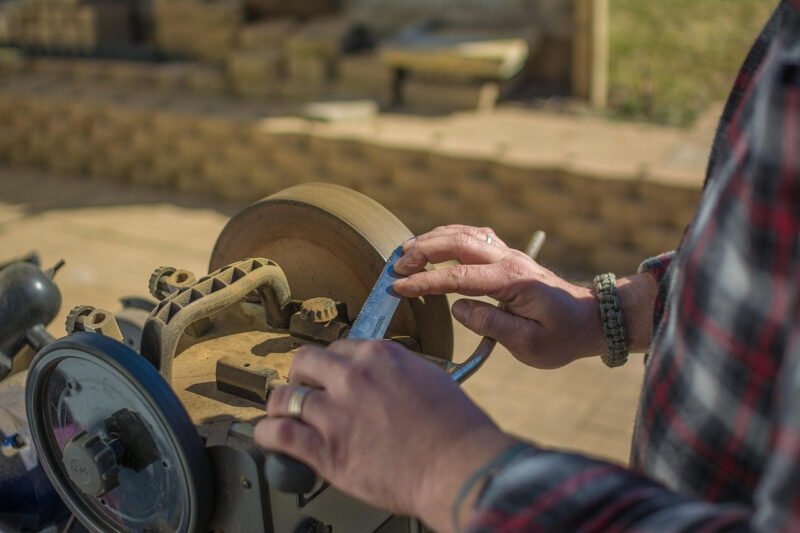
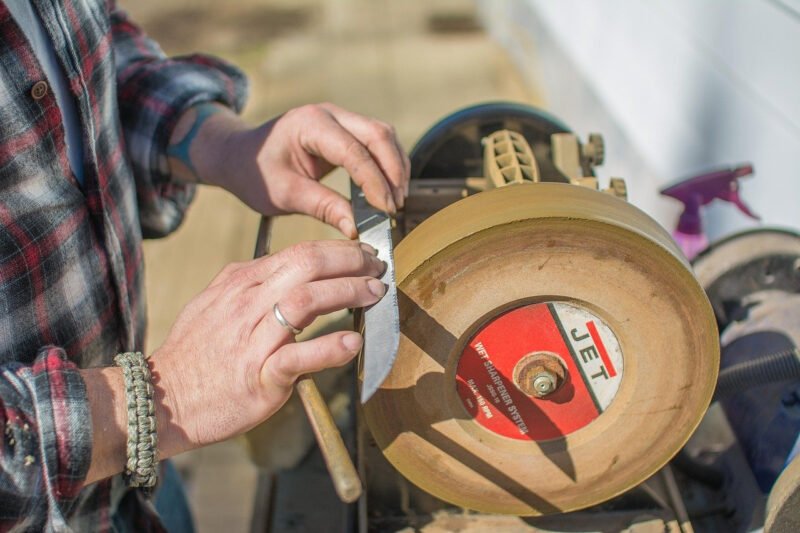
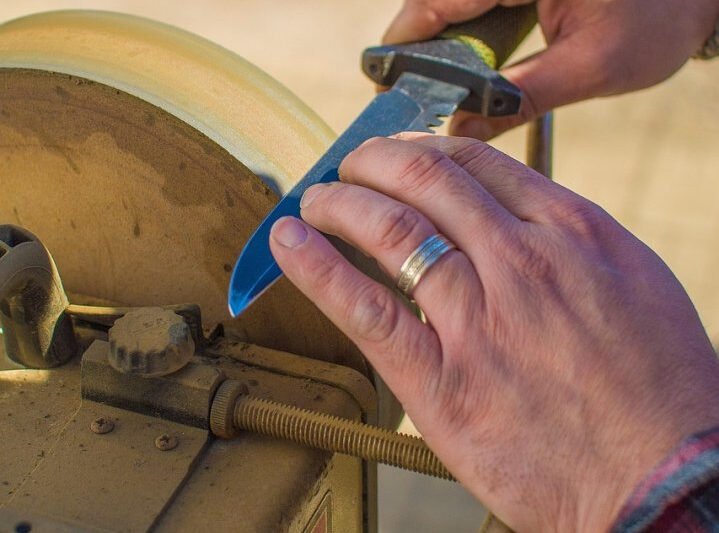
Whetstones: A traditional method favored by chefs, whetstones come in various grits (coarse, medium, and fine). They provide a very fine edge when used correctly.
Honing Rods: Often made of ceramic or steel, honing rods refine the edge without removing much material. They should be used regularly, typically after each use.
Pull-Through Sharpeners: Easy to use and geared towards beginners, these sharpeners help maintain a knife’s edge quickly. Caution is advised — they can remove more material than necessary if used frequently.
Electric Sharpeners: These offer speed and consistency but may remove excessive material if used too often. They might not be suitable for high-end knives that require more delicate handling.
Leather Strops: A strop doesn’t sharpen in the traditional sense but polishes the edge of a knife. It’s an excellent way to maintain sharpness between honing sessions.
Step-by-Step Sharpening Process
While sharpening may seem daunting, breaking it down into steps makes it more manageable.
Step 1: Determine the Angle
Depending on the knife, you’ll need to sharpen at specific angles. Generally, a 20-degree angle is ideal for cooking knives. For Japanese knives, the angle might be closer to 15 degrees.
Step 2: Preparing Your Sharpening Tool
If you’re using a whetstone, soak it in water for about 10 to 15 minutes beforehand. This will help create a slurry that acts as a lubricant and aids in sharpening. For honing rods, ensure they are clean and dry.
Step 3: Start with Coarse Grit (If Necessary)
For heavily dulled knives, start with a coarse grit. Hold the knife firmly and pull it across the stone or sharpener at the determined angle. Use moderate pressure and work from the heel of the blade to the tip, maintaining the angle throughout.
Step 4: Move to Medium and Fine Grits
Once the edge is established, switch to a medium grit followed by a fine grit. This process polishes the blade and refines the edge for a sharp finish. Repeat the same angle and technique used for coarse grit.
Step 5: Honing the Blade
After sharpening, use a honing rod to align the edge. Hold the rod vertically, and slide the knife down the rod at the established angle, alternating sides. This step is vital to maintain sharpness.
Step 6: Test the Sharpness
To check if the knife is sharp, perform a simple paper test. Slice through a piece of paper; if the blade glides effortlessly, it’s professionally sharpened.
Maintaining Knife Sharpness
In addition to sharpening, various habits can help maintain knife sharpness:
Use the Right Cutting Board: Avoid glass or stone surfaces that can dull blades quickly. Opt for wood or plastic cutting boards.
Avoid the Dishwasher: Running knives through the dishwasher can dull and damage the blade. Hand wash and dry immediately after use.
Regular Honing: Implementing honing as a regular habit can prolong the time between sharpening sessions. Aim to hone after each use.
Troubleshooting Sharpness Issues
Excessive Dulling: If your knife is dulling too quickly, reevaluate your cutting techniques, and ensure you’re using appropriate surfaces.
Uneven Sharpness: If your knife isn’t sharp across its entire length, check to ensure an even sharpening angle throughout the process.
Chipping Edges: Deep cuts or excessive pressure during cutting can chip the knife edge. Sharpen with care and refrain from cutting hard materials.
Signs It’s Time to Sharpen
Recognizing when to sharpen your knife is vital. Here are a few indicators:
- You notice a decrease in cutting efficiency.
- The knife struggles to slice through soft materials.
- You see nicks or chips on the blade edge.
Conclusion on Knife Sharpening Frequency
By establishing a routine sharpening schedule based on usage, familiarization with tools, and following proper techniques, knife sharpening becomes a simple and beneficial task. Investing time and effort into this skill ensures that your knives remain effective and safe, enhancing your overall cooking experience while minimizing risks.