



Understanding the Basics of Clam Knives
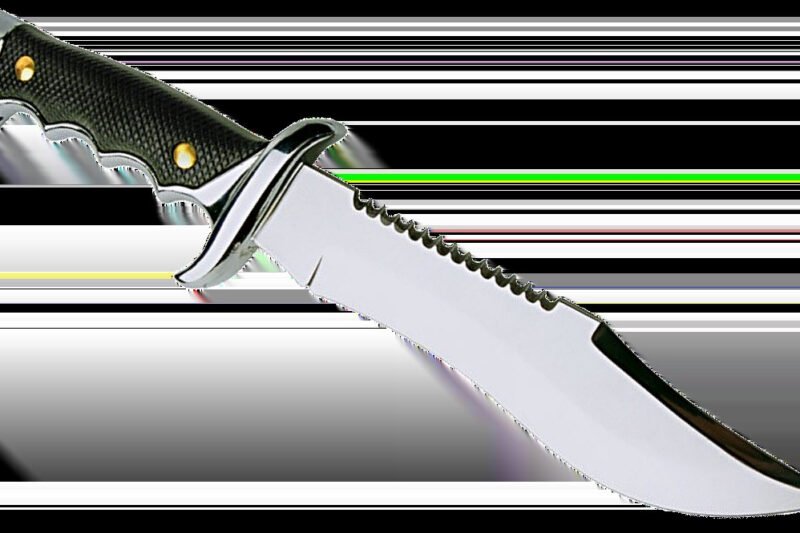
Clam knives are specialized tools designed for shucking and cleaning clams. When choosing the right clam knife, it’s critical to understand its anatomy. Typically, a clam knife features a short, broad blade that’s very sharp on one edge and dull on the other. This design allows for effective prying and shucking of the clam. The blade is usually constructed from stainless steel to resist corrosion, which is essential for marine environments.
Blade Material Consideration
The material of the blade significantly affects performance and longevity. Here are some common materials found in clam knives:
- Stainless Steel: Offers excellent resistance to rust and is easy to sharpen. It’s typically used in mid-range to high-end clam knives.
- High Carbon Steel: Known for its sharpness and ability to hold an edge longer than stainless steel. However, this material can rust easily if not maintained properly.
- Ceramic Coated Blades: These blades offer improved durability and edge retention but are more brittle than steel blades, making them less ideal for heavy use.
When determining which material is best suited for your needs, consider your frequency of clamming and whether you are willing to perform routine maintenance.
Blade Size and Shape
Clam knives come in various blade sizes, generally ranging from 2 to 4 inches in length. The size and shape of the blade you choose depend on the type of clams you’ll be shucking.
- Short Blades (2-3 inches): Ideal for smaller clams like littlenecks and Manila clams. These blades allow for precise control and better maneuvering within the shell.
- Longer Blades (3-4 inches): Suited for larger species such as quahogs and geoducks, where reaching deeper into the shell is necessary for effective shucking.
The shape of the blade can be flat or curved. A curved blade can follow the contour of the shell more easily, whereas a flat blade provides a solid surface for prying.
Handle Design and Comfort
Clam knives often have handles made from various materials including wood, plastic, and rubber. The handle design should provide a comfortable grip to reduce hand fatigue, especially during extended uses.
- Wooden Handles: Offer a classic aesthetic but can absorb moisture, making them slippery. Proper maintenance is essential to keep them functional.
- Plastic and Rubber Handles: Often ergonomically designed and can offer a non-slip grip, which is essential in wet environments. Look for handles that fit comfortably in your hand.
- Finger Guard: Some clam knives feature a built-in finger guard that provides extra protection against slips when applying force.
Choosing for Safety
Safety should be a top priority when selecting a clam knife. The right knife will minimize the risk of injury while you’re shucking.
- Blade Guard and Sheath: Some knives come with protective sheaths or guards that can be used when not in use for enhanced safety during storage or transport.
- Non-Slip Grip: Ensuring that the handle provides a strong grip will help prevent accidents, especially when dealing with slippery shells.
Price Range and Value
Clam knives are available at various price points, often correlating to material, brand reputation, and additional features. While it may be tempting to go for the cheapest option, investing in a durable clam knife can save you money in the long run.
- Budget-Friendly Options: Typically range from $10 to $30. These knives may lack durability and can quickly dull, making them impractical for regular use.
- Mid-Range Choices: Priced between $30 and $70, these often feature better materials and construction, offering a balance between performance and affordability.
- Premium Options: Usually priced over $70, these knives are made from the highest quality materials, ensuring longevity and superior performance.
Brand Reputation and Reviews
Researching brands and reading reviews can significantly aid in your decision-making process. Look for brands that specialize in seafood tools or outdoor equipment. Trusted brands usually provide warranties or return policies, which can be helpful if you encounter issues with your purchase.
Special Features to Consider
Some clam knives come with additional features that enhance usability. Here are a few options to look for:
- Multipurpose Designs: Some clam knives can also function as oyster knives or general seafood tools, allowing for greater versatility.
- Built-in Bottle Openers: Ideal for those who enjoy a cold drink while clamming, some clam knives come equipped with bottle openers integrated into the design.
- Lightweight Materials: A lightweight clam knife can ease transport and reduce fatigue during extended use.
Care and Maintenance Tips
To ensure your clam knife remains effective, proper care and maintenance are crucial.
- Cleaning: After each use, rinse the blade with fresh water to remove salt and debris. This step helps prevent corrosion, especially with stainless steel blades.
- Drying: Always dry the knife thoroughly after cleaning to prevent rust and extend its lifespan.
- Sharpening: Regularly sharpen your knife using a whetstone or honing tool to maintain its edge, especially if you notice resistance while shucking.
Conclusion in Action
Having selected a clam knife that meets your unique needs and preferences, it’s time to put it to use. Before heading out, gather your clam-digging essentials: a sturdy bucket, gloves for hand protection, and perhaps a cooler for keeping your catch fresh. By equipping yourself with the right tools and knowledge, you’ll enhance your clamming experience.
Final Thoughts
Assembling the right set of tools, with your chosen clam knife at the forefront, can make all the difference in your marine harvest. Whether you are an inexperienced novice or a seasoned clam shucker, understanding the nuances of clam knives will aid you significantly in your clamming endeavors. With diligence in choice, care, and use, a good clam knife not only makes your task easier but also adds to the enjoyment of seafood preparation in every way.