


The Essential Guide to the Best Knife Sharpeners for Professional Kitchens
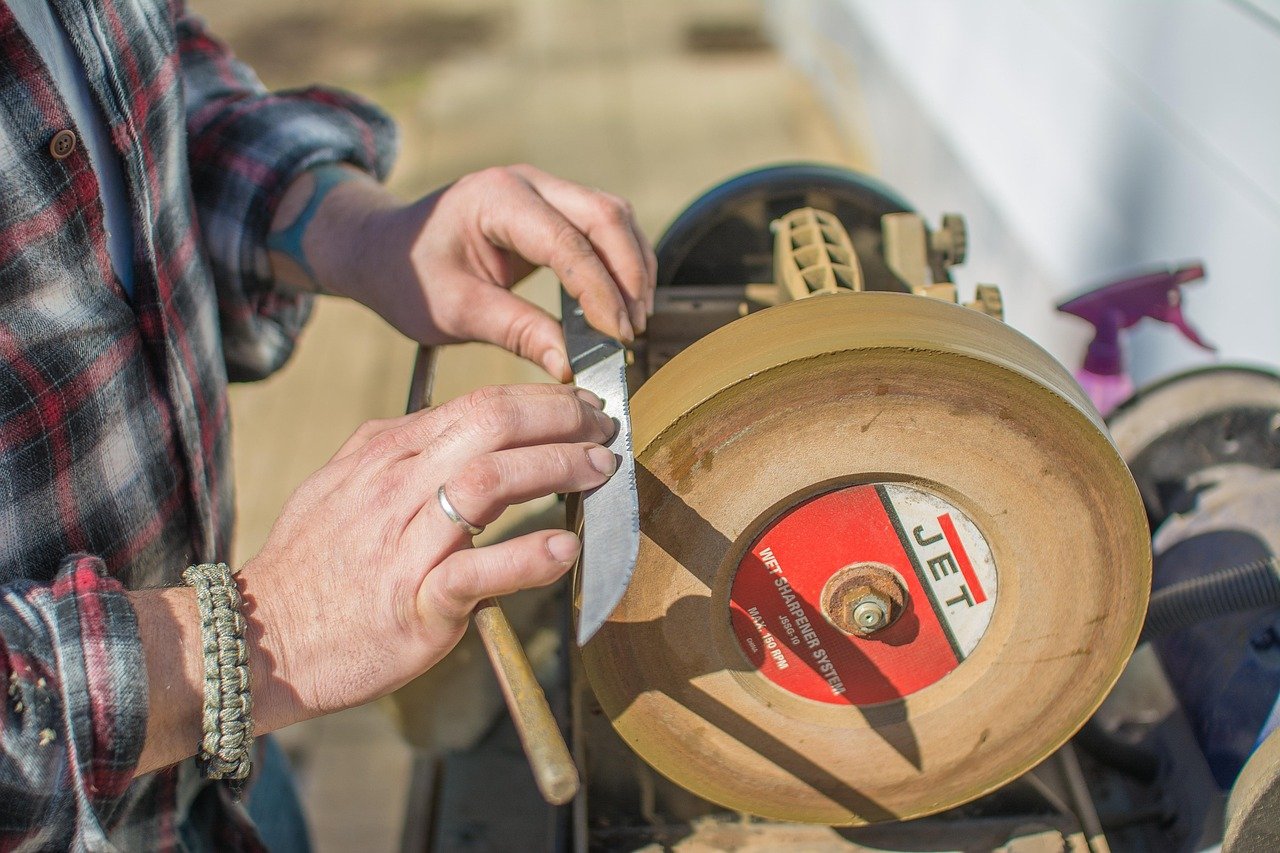
When it comes to maintaining culinary excellence, professional chefs understand the importance of a sharp knife. The right knife sharpener can make all the difference in ensuring precision, safety, and efficiency in the kitchen. Here, we delve into the best knife sharpeners favored by professionals, considering efficacy, ease of use, and design.
Types of Knife Sharpeners
Manual Sharpeners
Whetstones
- Material: Typically made of ceramic or diamond.
- Functionality: Requires skill to use effectively. Users need to maintain the correct angle while honing the blade.
- Advantages: Offers the sharpest edge when used correctly and is adaptable for various blade types.
- Top Pick: King 1,000/6,000 Grit Whetstone
- Features a dual grit for coarse sharpening and fine honing.
- Ideal for all knife types.
Honing Rods
- Material: Steel or ceramic rods.
- Functionality: Mainly used for realigning edges rather than actual sharpening.
- Advantages: Quick and easy to use; maintains edge between sharpenings.
- Top Pick: F. Dick Ceramic Honing Rod
- Lightweight and durable, designed to keep knife edges in peak condition.
Pull-Through Sharpeners
- Design: Simple, often featuring a V-shaped slot.
- Functionality: Knives are drawn through the slots for sharpening.
- Advantages: User-friendly and quick sharpening.
- Top Pick: Chef’s Choice Trizor XV
- Provides professional-grade results with easy pull-through design.
Electric Sharpeners
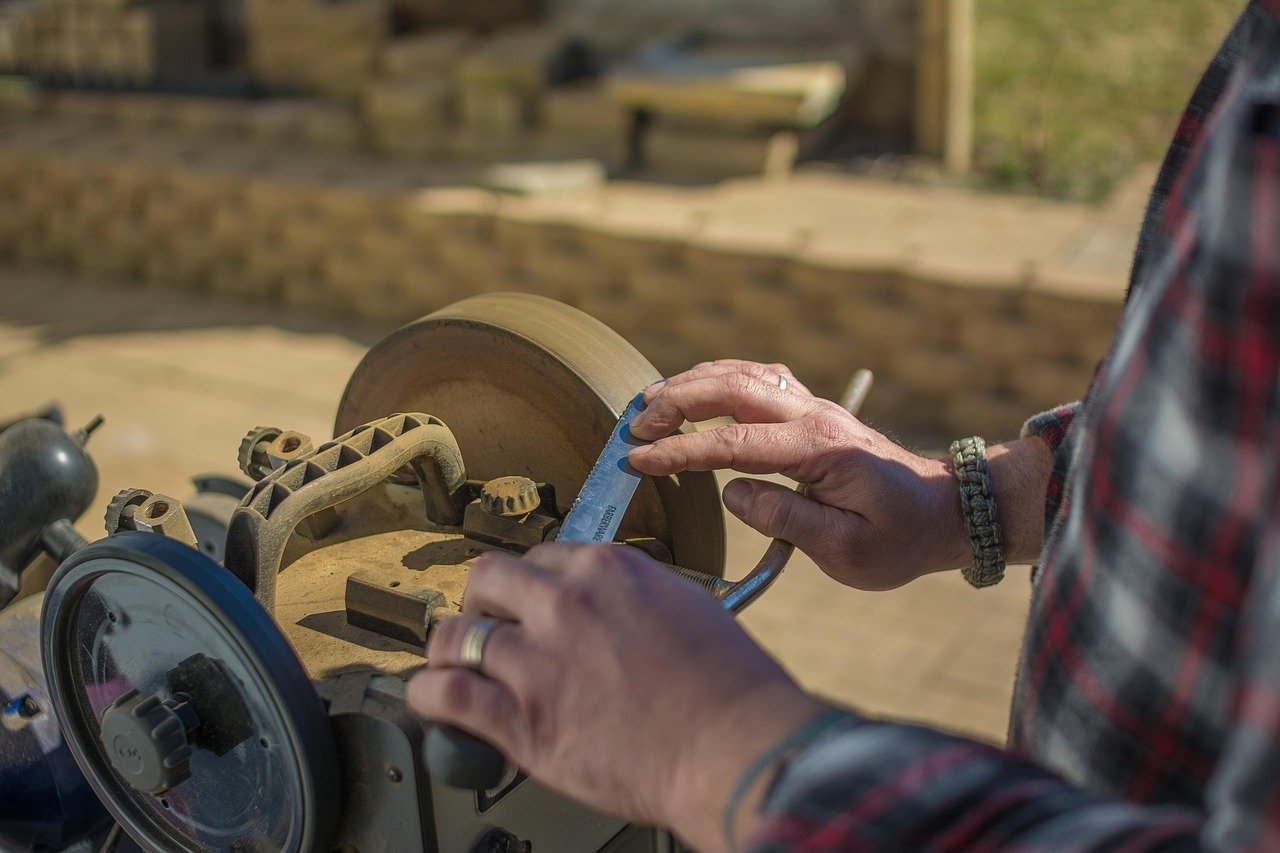
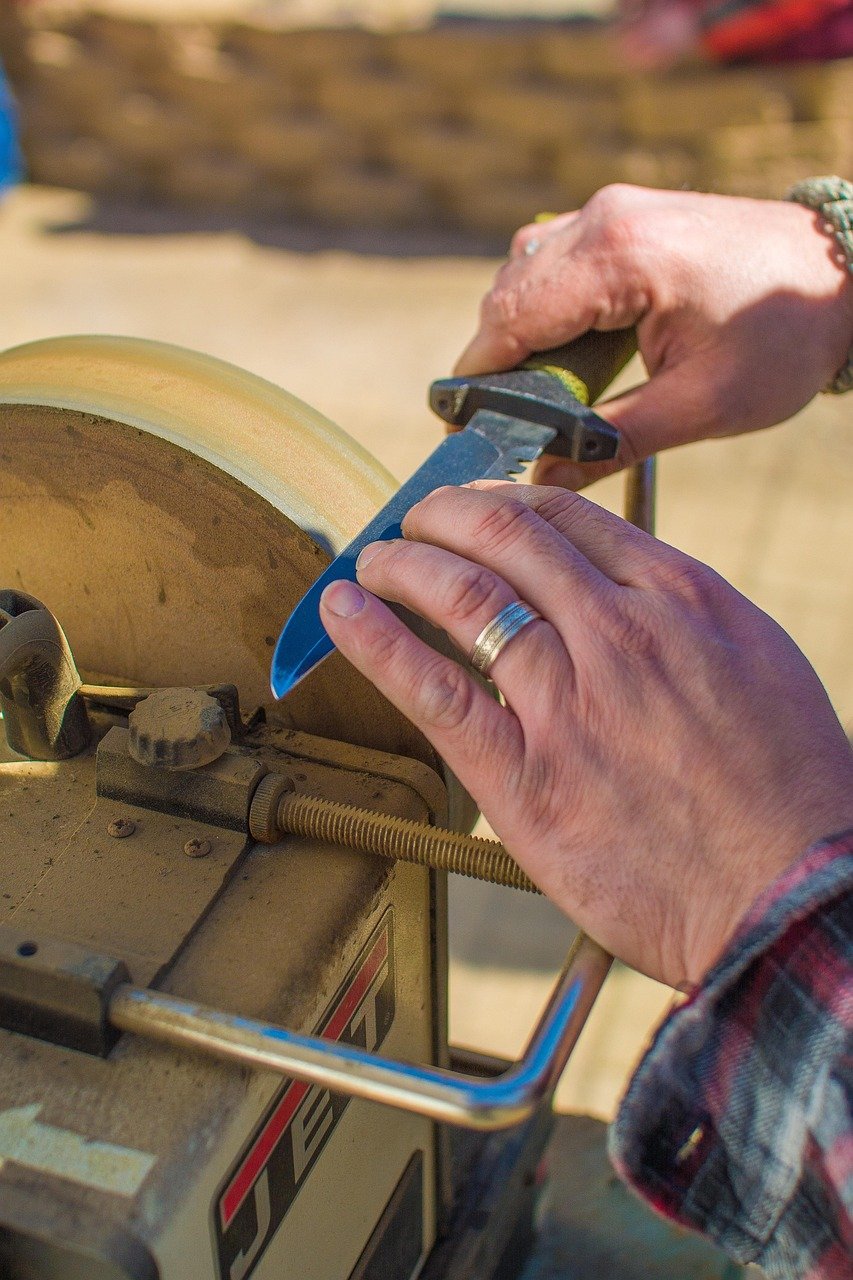
- Specifications: Use motor-driven wheels to sharpen edges.
- Advantages: Quick and consistent sharpening; ideal for busy kitchens.
- Top Pick: Work Sharp Guided Field Sharpener
- Compact, versatile, and designed for both straight and serrated knives.
CNC (Computer Numerical Control) Sharpeners
- Technology: Utilizes advanced robotics for precision sharpening.
- Advantages: Ensures consistent results and can handle a wide range of knives.
- Top Pick: Tormek T-8
- Offers exceptional blade sharpening with water cooling to prevent overheating.
Key Considerations When Choosing a Knife Sharpener
Blade Type Compatibility
- Ensure your sharpener is suitable for the type of knives you use, whether they’re Japanese, Western, or serrated.
User Skill Level
- Beginners may benefit more from pull-through or electric options, while seasoned chefs might prefer whetstones for better control.
Portability
- In a professional kitchen, space and mobility are crucial. Look for compact models that fit into kitchen setups easily.
Durability
- A high-quality sharpener should withstand heavy use and maintain its efficiency over time.
Maintenance Requirements
- Some sharpeners require more upkeep, while others may need virtually none. Consider your kitchen’s workflow.
Top Recommendations for Professional Environments
1. Wüsthof Classic Knife Sharpener
- Type: Pull-through
- Features: Two-stage system for initial sharpening and honing.
- Pros: High-performance, compact design.
- Cons: Limited to straight-edged knives.
2. Lansky Deluxe 5-Stone Sharpening System
- Type: Manual
- Features: Multi-stone setup with adjustable angles.
- Pros: Provides a customizable sharpening experience.
- Cons: Requires user knowledge for best results.
3. Edge Pro Apex 4
- Type: Manual
- Features: Precision guided system for flawless sharpening.
- Pros: Essential for professionals who need exact angles.
- Cons: Higher price point and steeper learning curve.
4. Chef’s Choice 1520 Angle Select Professional Knife Sharpener
- Type: Electric
- Features: Three-stage sharpening for fine edges and serrated blades.
- Pros: Versatile and user-friendly.
- Cons: Requires more counter space.
Maintenance and Care for Knife Sharpeners
Cleaning Regularly
- Remove blade dust and residue after each use to ensure optimal functionality.
Using the Right Technique
- Different sharpeners require specific techniques; always consult the manufacturer’s instructions.
Storage Considerations
- Store sharpeners in a safe, dry location to prolong their lifespan and reduce wear and tear.
Conclusion on Using Knife Sharpeners in Professional Kitchens
Selecting the right knife sharpener is essential for maintaining kitchen efficiency and safety. Whether opting for a manual whetstone or an electric option, the key lies in finding the perfect model that suits your cooking style and knife types. Investing in quality sharpeners ensures that every cut is precise, allowing chefs to focus on creating culinary masterpieces. The blend of technology, design, and usability in modern sharpeners caters to the demands of professional kitchens, making it easier than ever to keep your knife collection sharp and ready for action.