



Best Pocket Knives for Everyday Carry: Features to Look For
When it comes to everyday carry (EDC), a pocket knife is an essential tool for many individuals. Whether you find yourself facing minor tasks around the home, enjoying outdoor adventures, or navigating daily challenges, having a reliable pocket knife can make a significant difference. Below are several key features to consider when selecting the best pocket knife for everyday carry.
Blade Material

The blade material is fundamental in determining the knife’s performance and longevity. Common materials include:
Stainless Steel: Renowned for its corrosion resistance and ease of maintenance, stainless steel is ideal for those who may expose their knife to moisture. Popular grades include AUS-8, 440C, and S30V, each varying in sharpness retention, toughness, and ease of sharpening.
Carbon Steel: While offering excellent edge retention and toughness, carbon steel requires more maintenance to prevent rust. If you prioritize sharpness and are willing to care for your blade, carbon steel could be your choice.
Ceramic: Although not common in pocket knives, ceramic blades are extremely sharp and resistant to corrosion. However, they are brittle and can break if subjected to heavy use.
Blade Shape
The shape of the blade affects its versatility and suitability for different tasks:
Drop Point: This popular shape is versatile and excellent for piercing and slicing tasks due to its strong tip and curved edge profile.
Spear Point: Known for its balanced shape, the spear point is ideal for a variety of tasks and offers excellent control for precision work.
Tanto: With a strong tip and straight edge, tanto blades excel at puncturing and are often great for survival scenarios.
Sheepfoot: This blade shape features a blunt tip but provides a sturdy cutting edge, making it great for slicing and detailed work without a risk of accidental puncture.
Size and Weight
The size and weight of your pocket knife can significantly impact its practicality:
Blade Length: A blade length of 2.5 to 4 inches works well for most EDC purposes. Shorter blades are easy to carry but may limit cutting ability; longer blades can tackle tougher tasks but may be cumbersome for everyday carry.
Weight: Lightweight knives around 2-3 ounces are beneficial for carrying in pockets without added bulk. However, considering the material and size, some heavier knives offer additional durability without sacrificing portability.
Locking Mechanism
A secure locking mechanism is essential for ensuring safety during use:
Frame Lock: This design uses a portion of the handle to lock the blade in place, providing a strong and reliable lockup.
Liner Lock: A spring-loaded bar on the knife’s interior keeps the blade securely open. Liner locks are common and easy to operate but may wear down over time.
Back Lock: A traditional and reliable choice that locks the blade through a mechanism in the back of the handle. It offers good durability but may be more cumbersome to operate.
Button Lock: Common in automatics, the button lock allows for quick release and easy operation but requires more maintenance.
Handle Material
Comfort and grip are both determined by the handle material:
G10: A glass-reinforced material, G10 is lightweight, durable, and provides a good grip. It withstands temperature changes well, making it a popular choice for outdoor use.
Micarta: This composite material is made from layered fabrics and resin. It offers excellent grip and comfort and develops a unique patina over time.
Aluminum: Lightweight and aesthetically pleasing, aluminum handles offer a sturdy grip but may not provide the same level of traction as textured materials.
FRN (Fiberglass Reinforced Nylon): This is lightweight and resistant to moisture, making it great for everyday carry but can feel less premium compared to metal handles.
Deploying Mechanism
The way a knife opens will affect its usability and speed:
Manual: Knives that require the user to open them manually are often lighter and simpler. They include thumb studs, nail nicks, or flipper tabs for deployment.
Assisted Opening: These pocket knives incorporate a spring mechanism to help the blade open once it is partially deployed. They balance quick access with safety.
Automatic: Automatic knives deploy with the press of a button, making them extremely quick to open. However, they are often subject to regulation in many areas.
Price and Brand Reputation
Investing in a reputable brand can ensure quality:
Budget Options: Brands like Kershaw and Morakniv provide reliable EDC options without breaking the bank, often ranging from $20 to $50 while maintaining good quality.
Mid-Range: Brands such as Benchmade and Spyderco offer superior materials and craftsmanship with knives typically priced between $50 and $150. These options often come with excellent warranties.
Premium Brands: For serious enthusiasts, brands like Chris Reeve and Zero Tolerance provide high-quality materials and designs, often starting from $150 and going up. Their knives typically provide superior performance and longevity.
Additional Features
Many pocket knives include extra features that enhance their functionality:
Pocket Clip: Most EDC knives come equipped with a pocket clip for easy carry. Look for a knife with a reversible clip to accommodate left-handed users.
Lanyard Hole: Ideal for attaching your knife to keychains or lanyards, this feature adds versatility to carrying options.
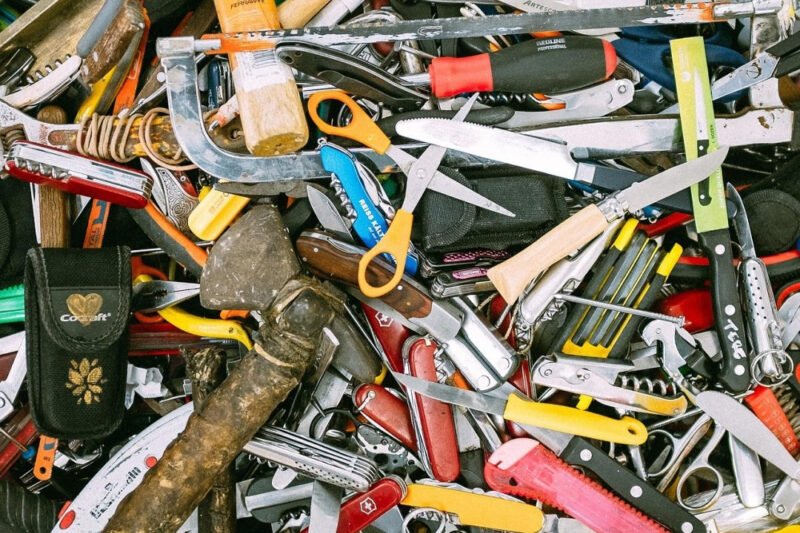
Multi-tools: Some pocket knives come integrated with other tools like screwdrivers, bottle openers, or scissors, providing additional functionality for daily challenges.
Ergonomic Design: Ensure that the knife provides a comfortable grip that fits your hand well to prevent fatigue during extended use.
Legal Considerations
Always consider local laws and regulations regarding pocket knives:
Blade Length Restrictions: Some areas impose limits on blade length for carry. Always check local regulations before making a decision.
Automatic Knives: In some jurisdictions, carrying automatic knives is illegal. Be sure to familiarize yourself with the laws in your area.
Personal Needs and Preferences
Ultimately, the best pocket knife for everyday carry will depend on your individual needs and preferences:
Lifestyle: If you frequently hike or camp, consider a knife with durability and versatility. On the other hand, if it’s for daily tasks, a slim profile may serve you better.
Aesthetic Choices: Choose a color and finish that appeals to your style, as this can enhance your enjoyment of the knife.
When selecting a pocket knife for everyday carry, consider all of the above features carefully. By understanding the various materials, shapes, mechanisms, and design choices, you can find a knife that suits your needs, enhances your daily activities, and stands the test of time.