


Best Practices for Maintaining Your Knives at Home
Understanding Knife Types and Their Uses
Before diving into maintenance, it’s essential to understand the types of knives you own, as each requires specific care. Common knife types include chef’s knives, paring knives, serrated knives, and utility knives.
- Chef’s Knives: Versatile and used for various tasks. They usually have a curved blade for rocking cuts.
- Serrated Knives: Ideal for cutting through bread and soft fruits due to their jagged edge.
- Paring Knives: Great for intricate tasks like peeling and slicing small fruits and vegetables.
Knowing your knife types will help you choose the appropriate maintenance techniques.
1. Regular Cleaning
Keeping your knives clean is the first step to maintaining them. After use, clean your knives with the following steps:
- Hand Wash: Use warm, soapy water and a soft sponge. Avoid putting them in the dishwasher as the heat and detergent can dull the blade and damage handles.
- Dry Immediately: Moisture can lead to corrosion, especially on high-carbon steel blades. Always dry your knives immediately after washing them to prevent rust.
2. Proper Storage
Where you store your knives can impact their longevity. Here are several effective storage solutions:
- Knife Blocks: These protect blades while making them easily accessible. Ensure the block has slots designed to accommodate the different knife sizes you own.
- Magnetic Strips: Wall-mounted magnetic strips are great for keeping knives visible and accessible while saving counter space. This type of storage avoids friction against other blades.
- In-drawer Knife Protectors: If space is limited, use knife guards or sleeves to prevent damage while keeping knives safely stored in a drawer.
3. Sharpening Techniques
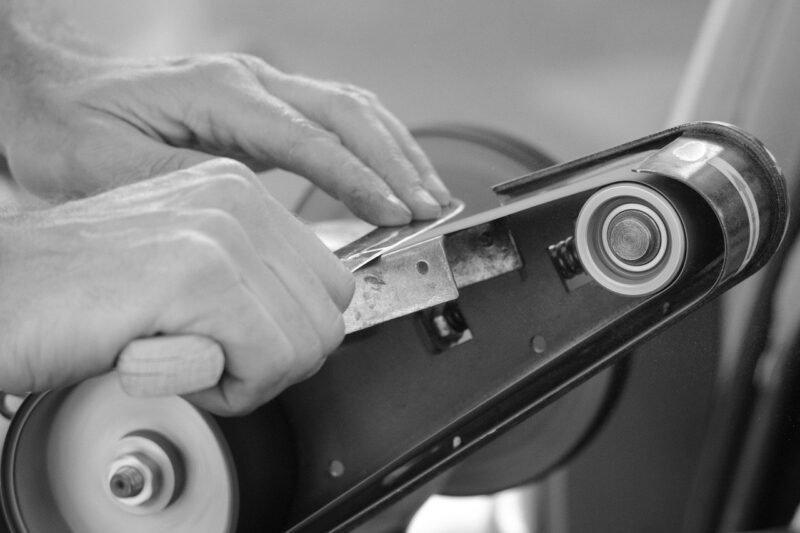
Regularly sharpening your knives is essential to maintaining their edge and efficiency. Here are different methods to sharpen knives:
- Whetstone: A whetstone is the preferred method for many chefs. Use a coarse grit for dull blades and a fine grit for maintenance. Angle your blade at about 15 to 20 degrees against the stone, and push it away from you in smooth strokes.
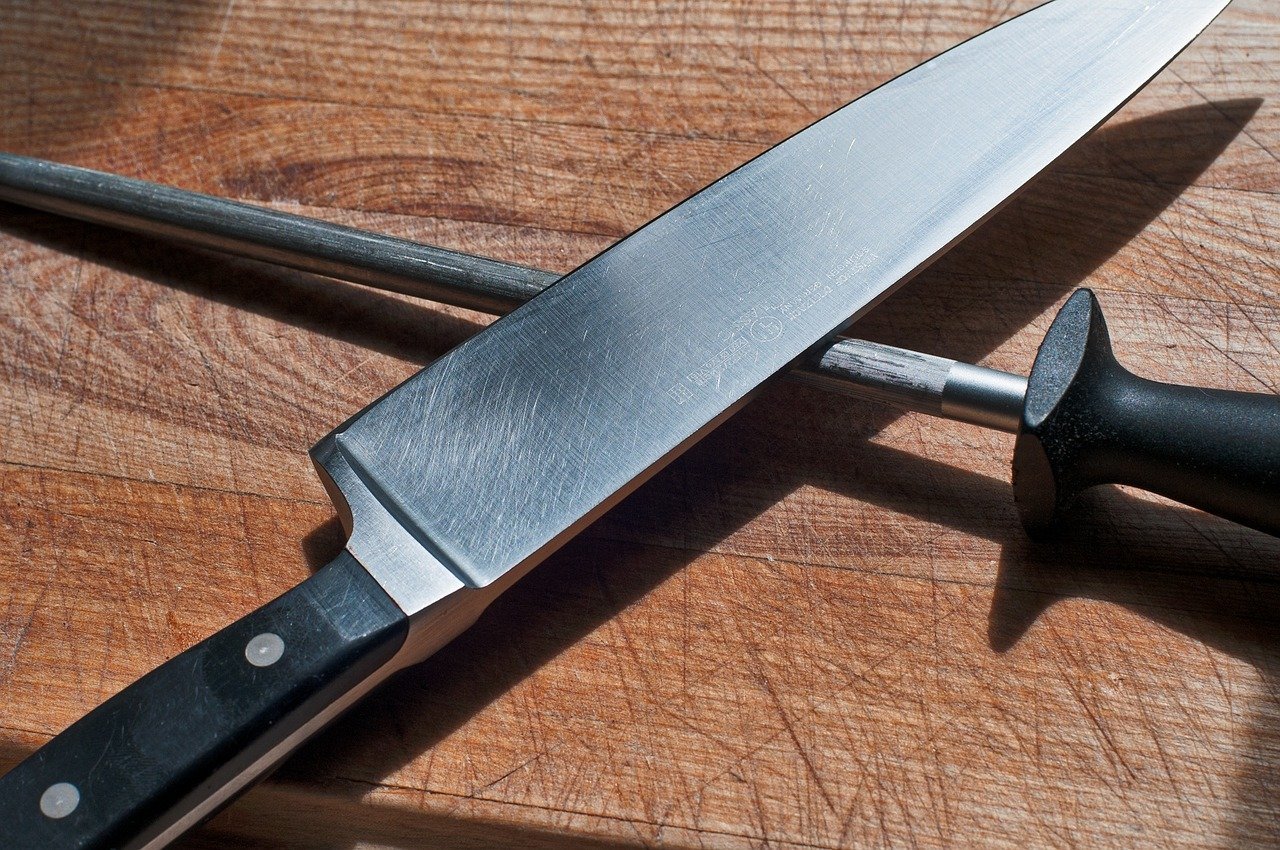
- Honing Rod: Honing helps realign the blade edge but doesn’t remove material, so it’s best for regular maintenance rather than full sharpening. Use it after each use to keep the blade aligned.
- Electric Sharpeners: These are convenient for quick sharpening but can be aggressive. Use them sparingly and after you’ve mastered manual sharpening.
4. Understanding Steel Types and Their Care Needs
Different steels require different levels of care. Most kitchen knives are made from either stainless steel or high-carbon steel.
- Stainless Steel: More resistant to rust, these require less maintenance but can lose an edge quicker. Clean and dry them immediately to prevent staining.
- High-Carbon Steel: These knives are more prone to corrosion and require more diligent upkeep. Consider applying mineral oil to the blade after cleaning to create a protective barrier against moisture.
5. Routine Inspection
Inspecting your knives regularly ensures they remain in top condition. Look for:
- Dullness: A dull knife is unsafe. If cutting requires excessive force, it’s time to sharpen.
- Damage: Check for chips, cracks, or any deformities. Any visible damage should be addressed immediately, as it can worsen over time.
- Handle Integrity: Ensure that the handles are secure. Loose handles can lead to accidents during use.
6. Using the Right Cutting Boards
The type of cutting board you use can significantly affect your knife’s longevity:
- Wooden Cutting Boards: Ideal for maintaining your knife’s edge. They are self-healing and do not dull the blade as quickly as hard surfaces.
- Plastic Cutting Boards: These are easy to sanitize but can dull knives faster than wood. Choose high-quality plastic boards as they may be softer on the blade.
- Glass or Marble Boards: Avoid these; they are too hard and can easily dull your knife’s edge.
7. Avoiding Unintended Cuts
It’s easy to accidentally damage your knife in the kitchen. Follow these best practices to prevent unintended cuts:
- Avoid Bone Cutting: Use specialized boning knives for cutting through bones or cartilage to prevent chipping your chef’s knife.
- Do Not Use Knives as Tools: Avoid using knives to open packages or as screwdrivers. This misuse can lead to bending or breaking the blade.
8. Handle Maintenance
Lastly, don’t forget about your knife handles. These require occasional care to ensure a good grip:
- Wooden Handles: Oil them with mineral oil to prevent drying out and cracking. Oiling helps preserve the wood while retaining its appearance.
- Synthetic Handles: These can be cleaned with soapy water and dried. Ensure not to use harsh chemicals that can cause wear over time.
9. Professional Maintenance
For high-end knives, consider professional sharpening and maintenance:
- Professional Sharpening Services: They can provide expert sharpening and repairs to bring your knives back to optimal performance. Research local services specializing in kitchen knives.
- Manufacturer’s Maintenance: If you own premium brands, check if they offer factory sharpening or repair services.
10. Keeping a Knife Maintenance Schedule
To ensure proper care, create a maintenance schedule that fits your cooking habits:
- Daily Check: Assess your knives each time you cook.
- Weekly Washing: Clean your knives after each use to avoid bacteria buildup.
- Monthly Sharpening: Schedule sharpening based on usage frequency; high-use chefs may need sharpening monthly, while casual cooks may find quarterly sharpening sufficient.
Implementing these best practices into your knife care routine will not only enhance your culinary experience but ultimately prolong the lifespan of your kitchen tools. Invest time and attention, and reaping the freshness and precision in your culinary creations will be well worth it.