


Butcher Knife vs. Chef Knife: Which One Should You Use?
Understanding the Tools
Both butcher knives and chef knives are essential tools in the kitchen, but they serve different purposes and are designed with specific tasks in mind. Understanding the differences between these two knives can help you improve your culinary skill set.
What is a Butcher Knife?
A butcher knife is a heavy-duty knife primarily used for cutting and preparing meat. With a wide blade that often measures between 6 and 12 inches, the butcher knife is designed for slicing through thick meat and bone. The blade‘s thickness and weight allow for a high level of force, enabling easy breakdown of larger cuts of meat into smaller, manageable pieces.
Features of a Butcher Knife:
Blade Design: The blade of a butcher knife is broad and typically has a curve or a belly. This curvature aids in rocking motion cuts, allowing for efficient slicing.
Material: Butcher knives are commonly made from high-carbon stainless steel, which offers durability and resistance to rust and corrosion.
Handle: The handle is designed for comfort and control. It often features a rubberized or wooden design to provide a secure grip, even when working with slippery substances.
Weight: The heavier design reduces the effort needed for cutting through bone and thick meat.
What is a Chef Knife?
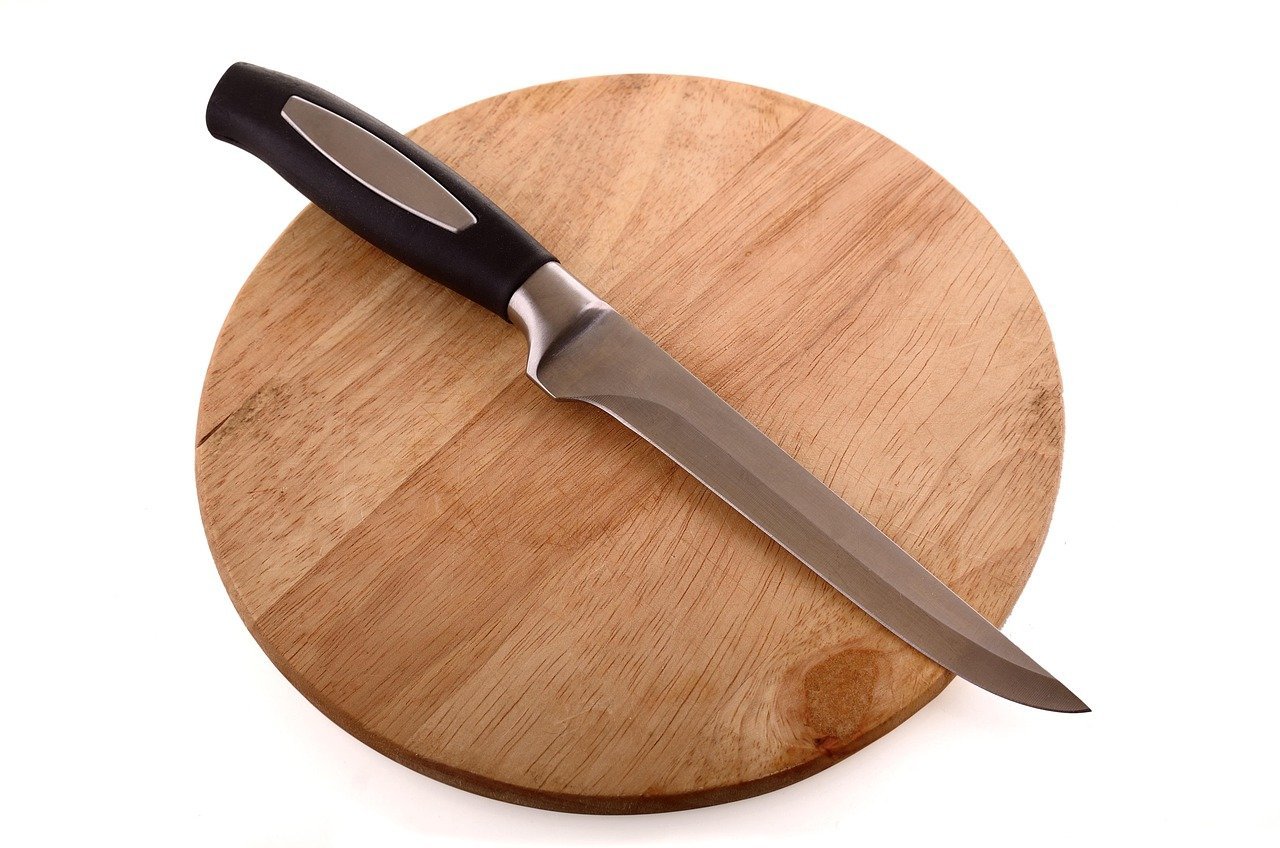
A chef knife, sometimes referred to as a cook’s knife, is a versatile all-purpose knife found in almost every kitchen. Typically ranging from 8 to 10 inches in length, the blade features a tapered point and a wide edge that curves upwards towards the end.
Features of a Chef Knife:
Blade Design: The chef knife has a calm curvature that allows for a fluid rocking motion during chopping, dicing, and mincing tasks.
Material: Similar to butcher knives, chef knives are often made from high-carbon stainless steel, but options include damascus steel or ceramic blades, known for their sharpness and longevity.
Handle: Chef knife handles vary widely in style and material, ranging from wood to plastic. A well-balanced handle is crucial for ease of use, especially during prolonged tasks.
Versatility: A chef knife can tackle a variety of food items, from vegetables and herbs to meats and fish, making it an indispensable kitchen companion.
Purpose and Functionality
Primary Uses of a Butcher Knife
Breaking Down Carcasses: The broad blade and sturdy build make butcher knives ideal for breaking down large cuts of meat into smaller portions.
Slicing Through Bones: Their heftiness allows them to cut through bones more effectively than standard kitchen knives.
Trimming Fat: The edge of a butcher knife is designed to handle the tough task of trimming excess fat from meat.
Processing Large Cuts: Whether it’s a whole chicken or a larger cut of beef, butcher knives are well-suited to tackling these larger projects.
Primary Uses of a Chef Knife
Chopping Vegetables: The tapered point is ideal for easily and accurately chopping and mincing various vegetables and herbs.
Dicing and Slicing: The long blade allows for smooth slicing motions, making dicing ingredients like onions and tomatoes efficient.
General Meal Prep: The chef knife’s versatility makes it suitable for tasks ranging from slicing bread to preparing fish and meats.
Precise Cuts: For delicate tasks that require precision, such as julienne or chiffonade, the chef knife excels due to its sharpness and design.
Handling and Performance
Butcher Knife Handling
Weight Distribution: The weightier butcher knife requires more strength, making it potentially tiring during extended use. Users should ensure proper technique and posture.
Grip: A secure grip is imperative; consider training with a butcher knife to accommodate its size and heft.
Safety: Always use a cutting board made from a durable material, and keep the knife away from children and inexperienced personnel due to its sharpness.
Chef Knife Handling
Balance: A well-balanced chef knife feels comfortable in hand, allowing for extended cutting without fatigue.
Versatile Techniques: Users should practice various cutting techniques, such as rocking or choppy motions, to make full use of the chef knife’s capabilities.
Safety Practices: The chef knife is also sharp and should be stored safely. Use it on appropriate surfaces to maintain its edge and avoid injuries.
Maintenance and Care
Butcher Knife Maintenance
Regular Sharpening: Use a sharpening stone or electric sharpener intermittently to maintain a sharp edge for effective cutting.
Cleaning: Hand-washing is recommended to preserve the knife’s sharpness and prevent jagged edges that may arise from the dishwasher’s heat.
Storage: By using a magnetic strip or protective sheath, you can safely store your butcher knife while avoiding moisture damage.
Chef Knife Maintenance
Routine Sharpening: Much like butcher knives, chef knives also require regular sharpening for optimal performance. Training in proper sharpening techniques is essential.
Cleaning: Avoid putting chef knives in the dishwasher. Instead, wash them with mild soap and dry them immediately to prevent corrosion.
Storage: To preserve the sharpness and integrity of the blade, use a specialized knife block, magnetic strip, or blade guard.
Cost Considerations
When it comes to pricing, both butcher and chef knives can cater to various budgets. High-end professional knives tend to cost more due to the materials used and craftsmanship involved. However, many excellent options exist within the mid-range price point for both types of knives, making them accessible for home cooks and professionals alike.
Choosing the Right Knife for Your Needs
Deciding between a butcher knife and a chef knife ultimately depends on your specific culinary tasks and preferences.
If you frequently prepare large cuts of meat, investing in a good butcher knife will streamline the process and improve efficiency.
For a versatile daily tool, a chef knife is the way to go, allowing you to handle a broad range of cooking tasks with ease.
Conclusion
In the culinary world, selecting the right knife can significantly impact your efficiency and precision in the kitchen. Understanding the differences between a butcher knife and a chef knife will help you optimize your cooking experience, regardless of your skill level. Whether you’re a seasoned chef or a home cook, considering your primary cooking focus and how each knife can serve your needs will guide you in making the right choice.