


Understanding Cheese Knives
Choosing the right cheese knife can enhance your cheese tasting experience significantly. Cheese knives come in various styles, materials, and designs tailored for different cheese types. Understanding the purpose of each knife, the materials they’re made from, and essential features will help you select the best knife for your cheese board.
Types of Cheese Knives
1. Soft Cheese Knives
Soft cheese knives are designed with wide blades and holes to reduce friction when cutting through soft cheeses like Brie or Camembert. The holes allow air to circulate, preventing cheese from sticking to the blade. Look for a knife with a sharp, straight edge for maximum efficiency.
2. Hard Cheese Knives
Hard cheese knives typically have sharp, pointed blades that can slice through harder varieties like Parmesan or Cheddar. These knives often feature a sturdy construction to handle the pressure required for cutting dense cheeses. A serrated edge can also be beneficial for achieving clean cuts.
3. Cheese Slicers
A cheese slicer is an alternative to a cheese knife and is excellent for creating thin, even slices of semi-hard cheeses. They usually have a wire cutting mechanism and are an excellent choice for making cheese platters or sandwiches.
4. Cheese Spreaders
While not a knife, a cheese spreader is essential for soft cheeses and spreads. They have a blunt edge designed to smear cheese on crackers or bread without tearing. Look for one with a wide blade for effective spreading.
Key Features to Consider
1. Material
The material of both the blade and handle significantly affects performance and aesthetics.
- Stainless Steel: Durable and resistant to rust and corrosion. Easy to clean and maintain. A good option for both blades and handles.
- Carbon Steel: Holds a sharper edge than stainless steel; however, it requires more care to prevent rust.
- Wood: Often used for handles, provides a traditional look and feel. However, wood requires regular maintenance and may not be dishwasher safe.
2. Blade Design
The design of a cheese knife blade can impact its cutting ability.
- Straight Edge: Ideal for hard cheeses as it provides control and precision.
- Serrated Edge: Good for hard cheeses and crusty rinds, offering easy slicing with less effort.
- Holes: Found in blades for soft cheese knives, they minimize sticking and make slicing easier.
Ergonomics and Comfort
Comfort is a crucial aspect when choosing a cheese knife. Look for:
- Handle Shape: Contoured handles provide comfort during use. A non-slip grip is especially important for ease of handling.
- Weight: A knife shouldn’t be too heavy or too light. The right weight allows for better control while cutting through various cheese types.
- Balance: The knife should feel balanced when held, making it easier to manage while slicing.
Size Matters
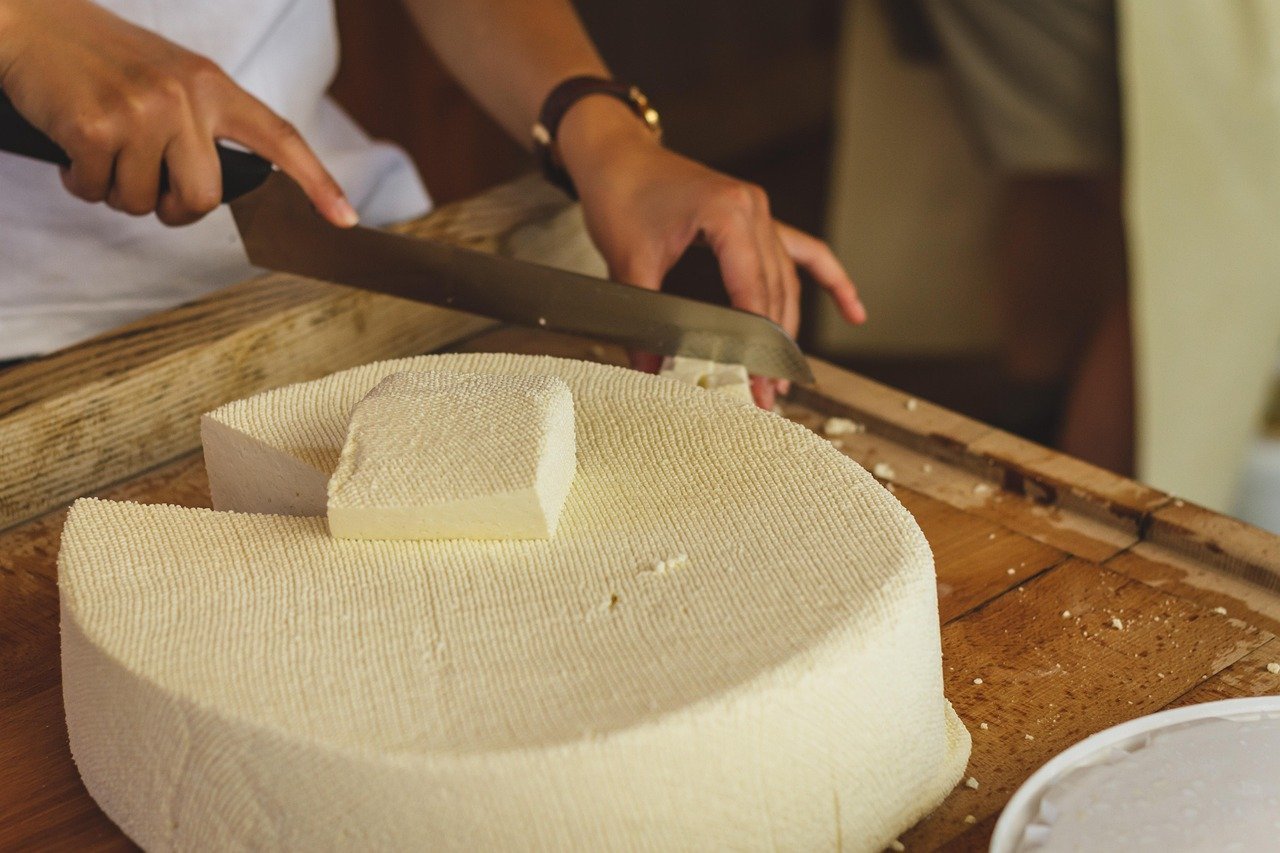
The size of the cheese knife is another factor to keep in mind. A larger knife may work better for cutting blocks of cheese, while a smaller blade is excellent for intricate cuts and detailed servings. Consider the size of cheese you frequently work with when making your selection.
Maintenance and Care
Proper care extends the life of your cheese knife. Always hand wash knives made from special materials to prevent wear and damage. For carbon steel, dry immediately to avoid rusting. Wooden handles may require periodic oiling to maintain their appearance and prevent cracking.
Aesthetic Appeal
Cheese knives can also be a focal point on your cheese board. Choose a knife that matches your personal style or the overall aesthetic of your kitchen. Some companies offer beautifully crafted knives with artistic designs, making them not only functional but also visually appealing.
Budget Considerations
The price range for cheese knives can vary significantly. While high-quality knives may cost more, they often provide better performance and durability. Set a budget before you shop, and be prepared to invest in at least one quality knife for a fulfilling culinary experience.
Brands to Consider
There are several established brands known for quality cheese knives. Researching these brands can help in making an informed decision:
- Wüsthof: Known for precision and quality, Wüsthof’s knives offer durability and sharpness.
- Global: Global knives are famous for their sleek design and high-quality materials.
- Cheese Knife Company: Specializes in a variety of cheese knives tailored to different cheese types and styles.
- Zyliss: Offers affordable options without sacrificing quality, focusing on ergonomics.
Conclusion: Selecting the Best Cheese Knife
As you navigate the process of choosing a cheese knife, consider the types of cheese you typically enjoy and the knife properties that will enhance your cheese experience. Through understanding the characteristics and functions of various knives, you’re well-equipped to select a cheese knife that meets your needs, elevates your cheese-sharing experiences, and enhances your culinary skills.