


Understanding Knife Sharpening
Knife sharpening is an essential skill for any home cook or professional chef. A sharp knife can drastically improve your cooking experience, making tasks safer and more efficient. When it comes to maintaining knife edges, two primary types of sharpeners are available: manual and electric.
Manual Knife Sharpeners
Manual sharpeners have been around for centuries, relying on the user’s skill to achieve a razor-sharp edge.
Types of Manual Knife Sharpeners
Whetstones: Known as water stones or oil stones, these are flat blocks made from abrasive materials. They come in various grits—lower numbers for coarse sharpening and higher numbers for fine polishing. Users soak the stone in water or oil and then use a specific angle to hone the blade.
Honing Rods: Often made from steel or ceramic, honing rods are typically used to realign the edge of a knife rather than sharpen it. They are an essential tool for chefs that maintain the knife’s edge between full sharpenings.
Manual Pull-Through Sharpeners: These devices often consist of two or more slots containing ceramic or carbide abrasives. Users simply pull the knife through the slots, which sharpen the blade with a preset angle.
Advantages of Manual Knife Sharpeners
- Control: Manual sharpeners offer more control over the sharpening angle and pressure, allowing for precise adjustments to achieve the desired sharpness.
- Versatility: Users can work on a variety of knives, including specialty knives that may not fit in an electric sharpener.
- Skill Development: Using manual tools helps hone the user’s sharpening skills, which can be satisfying and improve overall kitchen competency.
- Cost-Effective: Generally, manual sharpeners are more affordable and often do not require electricity.
Disadvantages of Manual Knife Sharpeners
- Time-Consuming: Sharpening with a whetstone or honing rod can take time, especially for beginners who may require practice to develop their skills.
- Physical Effort: Manual sharpening requires more physical effort and can be tiring, especially for a large number of knives or particularly dull blades.
- Learning Curve: Acquiring the skill to use tools like whetstones requires a significant amount of practice and understanding of angling and technique.
Electric Knife Sharpeners
Electric sharpeners are modern tools designed to deliver consistent and quick results.
Types of Electric Knife Sharpeners
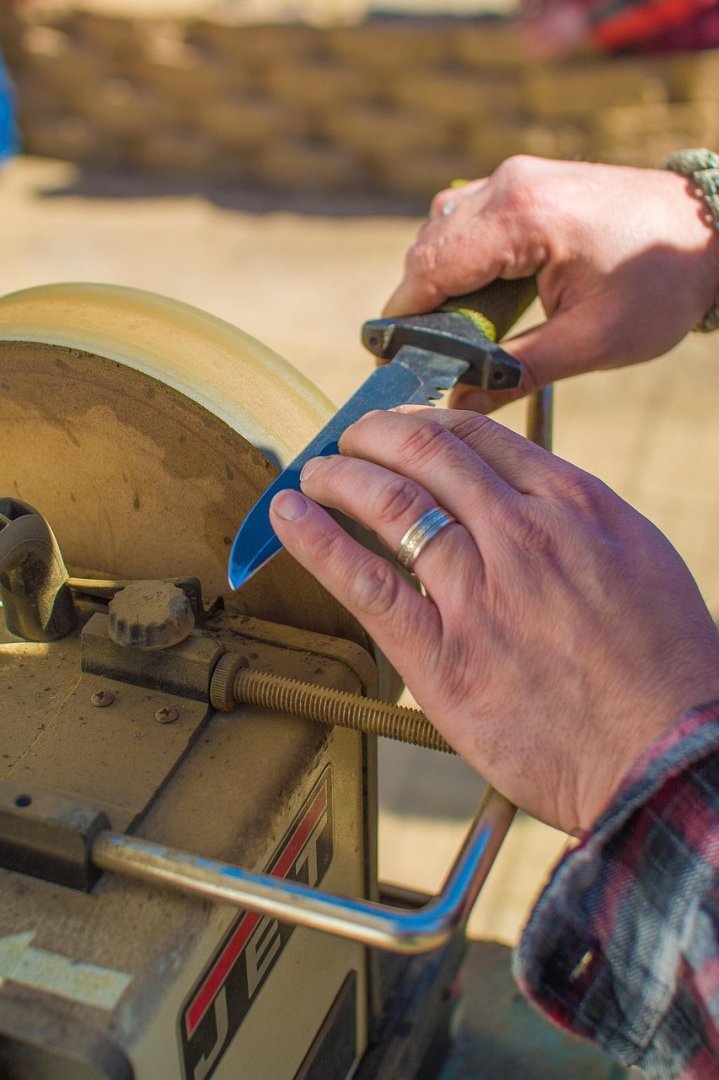
Belt Sharpeners: These utilize a rotating belt that grinds the blade’s edge. They are popular among professionals for their ability to quickly restore a sharp edge to blunt knives.
Stone Sharpeners: Similar to whetstones, these sharpeners use two ceramic or diamond-coated wheels to grind the blade. They tend to follow a preset sharpening angle.
Pull-Through Electrics: These work similarly to manual pull-through sharpeners but utilize a motor to make the process easier. They often include multiple slots for different knife types and levels of sharpness.
Advantages of Electric Knife Sharpeners
- Speed: Electric sharpeners are exceptionally fast, making them suitable for busy kitchens. A dull knife can often be sharpened in seconds.
- Consistency: The machines provide a uniform angle and pressure, ensuring that each knife is sharpened to the same standard every time.
- Ease of Use: Electric sharpeners require minimal effort. Simply switch them on and guide the knife through preset slots or belts.
Disadvantages of Electric Knife Sharpeners
- Cost: Electric sharpeners tend to be more expensive compared to manual options. High-quality electric sharpeners can represent a significant investment.
- Less Control: Users have less control over the sharpening process, which might not cater to specific knife types or preferences.
- Dependence on Power: These devices require electricity, which can be impractical in certain situations, such as camping or in kitchens lacking electrical outlets.
Factors to Consider When Choosing
Knife Types
Different knives require various sharpening techniques. For instance, thin, delicate blades benefit more from whetstones, while heavy-duty chef knives might work well with electric options. Understanding the types of knives in your collection will guide the sharpener choice.
Frequency of Use
Evaluate how often you need to sharpen your knives. For enthusiasts who regularly use their knives, an electric sharpener may save time, while occasional users might find manual sharpeners sufficient.
Skill Level
Consider your comfort with sharpening techniques. Beginners may prefer the help of electric models, while experienced cooks might enjoy the process of mastering manual sharpeners.
Storage Space
Electric sharpeners can take up more counter space than manual options. If kitchen space is limited, a compact manual sharpener may be more suitable.
Budget
Determine how much you are willing to invest in a knife sharpener. Manual sharpeners typically come at a lower price point than their electric counterparts, making them ideal for those on a budget.
Maintenance and Care
Regardless of whether you opt for a manual or electric sharpener, regular maintenance is essential. Whetstones should be cleaned and maintained to ensure they remain effective, while electric sharpeners should be kept free of residue and dust for optimal performance.
Eco-Friendliness
As sustainability becomes increasingly important, consider the eco-friendliness of your choice. Manual sharpeners typically have a lower environmental impact since they do not require electricity. Electric sharpeners consume energy, so being mindful of their usage contributes to sustainable kitchen practices.
Conclusion
Selecting the best knife sharpener ultimately depends on individual preferences, knife types, and cooking frequency. Evaluating the pros and cons of manual versus electric options can help ensure that the right choice complements your culinary journey, enhancing both your skills and cooking experience.