


Maintaining sharp knives is integral to safety and efficiency in the kitchen. Dull knives not only make cooking more difficult but also increase the risk of accidents. Sharpening your knives properly can greatly enhance their performance, making them easier to use and ensuring more control during food preparation. However, it’s essential to choose the right sharpening method that promotes both safety and effectiveness. Below are key factors, methods, and maintenance tips for sharpening knives at home.
Understanding Knife Sharpness
Before choosing a sharpening method, it’s essential to understand what sharpness means. A sharp knife has a fine edge that requires less force to cut through materials. Over time, that edge gets damaged or dull, making it less effective. Knife sharpness is measured in degrees of edge angle, typically ranging from 10° to 30°. Chef knives usually range from 15° to 20°. The sharper the knife, the lower the angle, which can lead to more accidents if not handled correctly.
Factors to Consider When Choosing a Sharpening Method
1. Knife Material
Different knives are made from various materials, each requiring specific care. Stainless steel, carbon steel, and ceramic knives have distinct hardness and edge retention. For example:
- Stainless steel knives are generally easier to sharpen but can require frequent honing.
- Carbon steel knives maintain sharpness longer but demand more careful attention to avoid rust.
- Ceramic knives are hard and hold an edge well but can chip easily, making them difficult to sharpen at home.
Understanding your knife’s material will guide you in selecting the appropriate sharpening method.
2. Sharpening Tools Available
When deciding on a knife sharpening method, consider the tools you have or are willing to purchase, as each has its pros and cons:
a. Whetstone
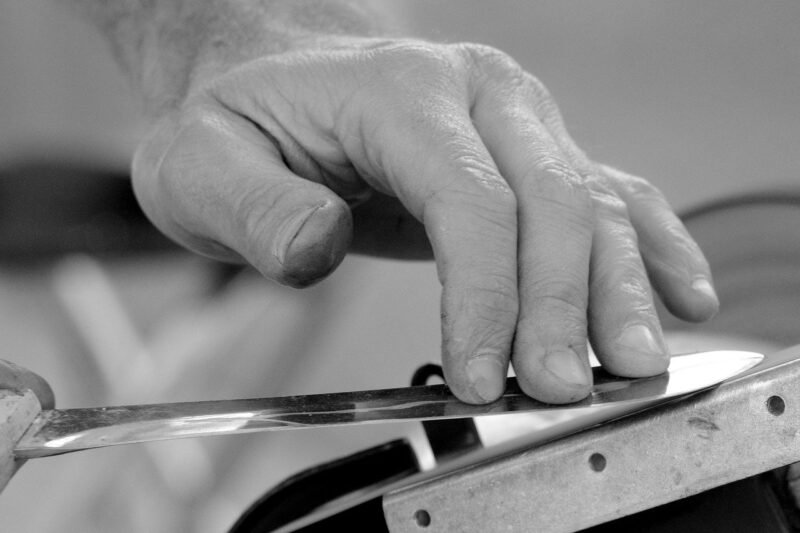
A whetstone, or sharpening stone, is a popular and traditional method for sharpening knives and can offer exceptional results.
- Pros: Increases user skill; allows control over the angle; can sharpen most knife types.
- Cons: Requires practice to master; can be time-consuming; needs regular maintenance (cleaning, soaking).
b. Pull-Through Sharpener
Also known as electric or manual sharpeners, these devices offer convenient and quick sharpening solutions.
- Pros: Easy to use, effective for novice cooks, quick results.
- Cons: Less control over angle and pressure; might remove too much material; may not be suitable for expensive knives due to blade damage.
c. Honing Rod
A honing rod is typically used to realign the edge of the knife rather than sharpen it. It is essential for maintaining sharpness between full sharpening sessions.
- Pros: Quick and easy to use, promotes consistent edge maintenance.
- Cons: Does not sharpen but merely maintains; requires a degree of skill for use.
d. Electric Sharpeners
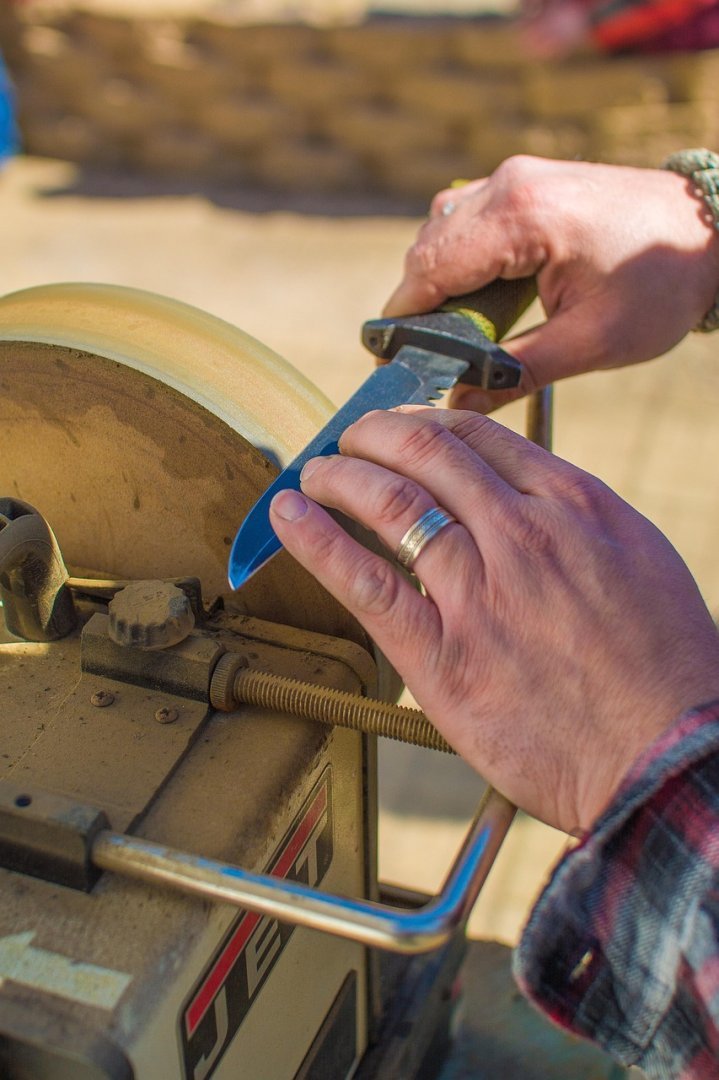
These are designed to sharpen knives quickly and effectively, usually featuring diamond-encrusted wheels.
- Pros: Fast and efficient; requires minimal skill; automated options can be less intimidating for beginners.
- Cons: Expensive investment; may not provide the same finesse as traditional sharpening methods.
3. Skill Level and Experience
Consider your skill level when choosing a sharpening method. Beginners may feel overwhelmed by the skills needed for whetstone sharpening. However, it can be beneficial to invest time in learning as it is a versatile skill:
- If you are a novice, an electric sharpener or pull-through sharpener may alleviate the learning curve.
- For experienced cooks, whetstones provide the ability to achieve a superior edge.
The Sharpening Process
Once you’ve chosen the right method, it’s time to understand the sharpening process. Below are the standard steps for each technique:
Using a Whetstone:
Preparation:
- Soak the stone in water for about 10-15 minutes before using it.
Angle Maintenance:
- Hold the knife at the appropriate angle (15-20° for most kitchen knives).
Sharpening Stroke:
- Push the knife blade along the stone from heel to tip. Use equal pressure and repeat on both sides until you feel a burr.
Finishing:
- Use the finer side of the stone to polish the edge, followed by a few strokes on the honing rod for extra sharpness.
Using a Pull-Through Sharpener:
Placement:
- Place the sharpener on a stable surface.
Sharpening Motion:
- Insert the knife blade into the appropriate slot, then draw the knife through with smooth, even pressure.
Repeat:
- Repeat several times for optimal results.
Using a Honing Rod:
Positioning:
- Hold the honing rod vertically and position the knife blade against it at a slight angle.
Honing Action:
- Draw the blade down the rod from heel to tip, alternating sides with each stroke.
Using an Electric Sharpener:
Setup:
- Place the sharpener on a flat, stable surface and plug it in.
Sharpening:
- Take the knife and carefully insert it into the machine, following the manufacturer’s instructions.
Repetition:
- pass the knife through the designated slots as indicated.
Maintenance Tips for Knife Sharpening Safety
1. Regular Inspection
Check knives regularly for signs of dullness or damage. Maintain a schedule for sharpening based on usage to enhance safety during food preparation.
2. Proper Storage
Store knives in a designated block, sheaths, or magnetic strips to keep tips from being dulled or causing accidents. Loose drawer storage can lead to injuries from sharp edges.
3. Cleaning and Drying
Clean knives after each use to prevent corrosion. Thoroughly dry your knives before storage to prolong their lifespan.
4. Honing Regularly
Make honing a part of your routine to keep blades aligned, reducing the need for deeper sharpening more frequently.
By understanding the importance of knife sharpness and the various methods available for sharpening, home cooks can make informed decisions for maintaining their kitchen knives. Beyond ensuring superior cutting performance, choosing the right knife sharpening method contributes significantly to achieving optimal kitchen safety. Whether you opt for a whetstone, a pull-through sharpener, a honing rod, or an electric device, mastering the art of knife maintenance will consequently lead to a more enjoyable culinary experience.