


The Essence of Bread Knives
Bread knives are essential tools in any kitchen, specifically designed to slice through crusty loaves and delicate pastries without tearing or crumbling. Among the options available, serrated and straight-edge bread knives have emerged as two popular choices. Understanding the differences, benefits, and potential drawbacks of each type is crucial for chefs and home cooks alike.
Serrated Bread Knives
Design and Characteristics
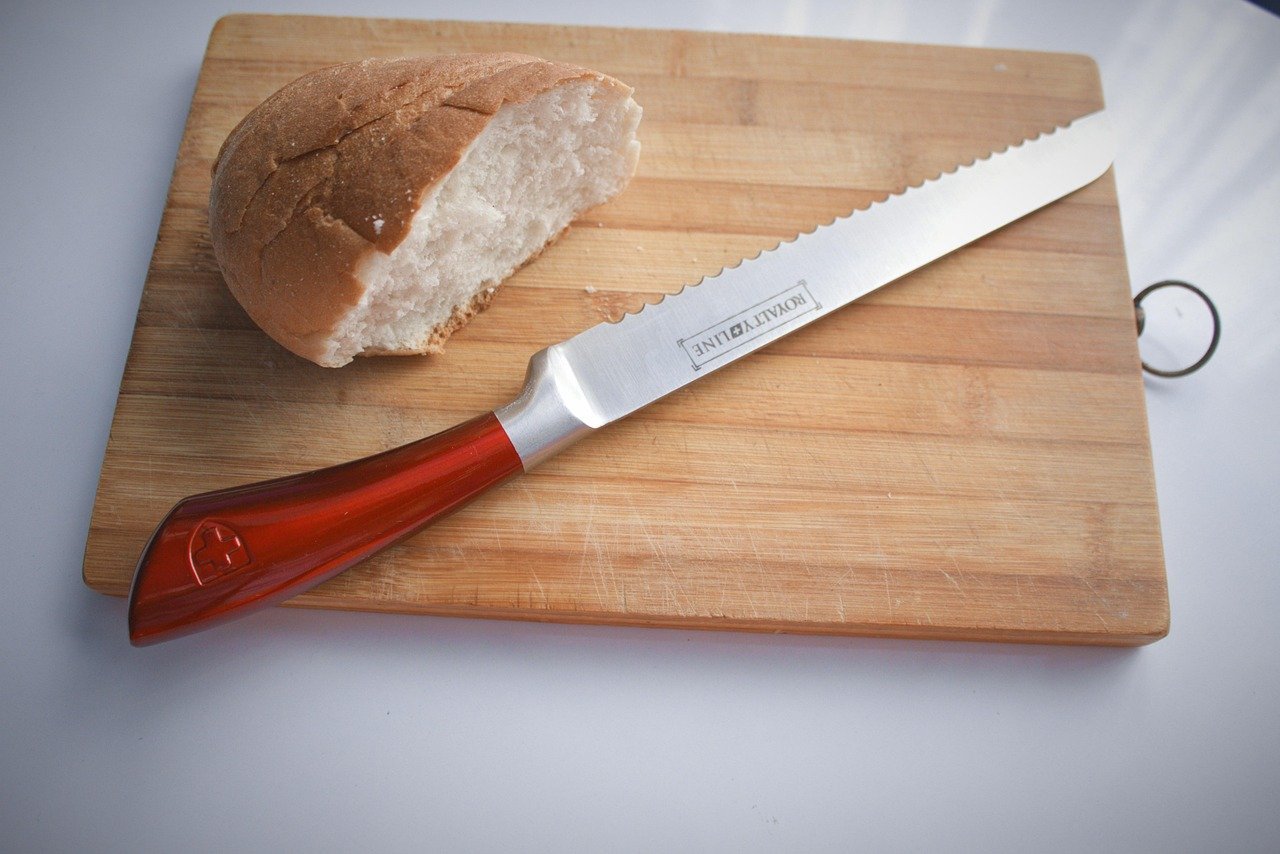
Serrated bread knives feature a blade with a jagged edge, similar to a saw. This design allows for a sharp cutting motion that grips and slices through bread with a crunchy crust while maintaining the integrity of the soft interior. Common lengths range from 8 to 14 inches, with the most popular being around 10 inches.
Performance Advantages
- Comfortable Cutting: The serrated edge reduces the amount of pressure needed to slice through tough exteriors. This feature is particularly useful when cutting artisan loaves or crusty baguettes.
- Minimal Crumb Loss: Because the serrations grip the bread, slices can be made neatly without tearing, which is especially beneficial for those who wish to present an aesthetically pleasing dish.
- Versatility: Serrated knives aren’t limited to bread. They can efficiently cut through tomatoes, citrus fruits, and even certain meats like roasts and soft-skinned melons.
Maintenance and Care
While serrated knives may seem lower-maintenance due to their durability, they do require specific care. Regular honing is less effective since the teeth of the serrated blade do not respond to conventional sharpening methods. Instead, they benefit from a specialized serrated knife sharpener or professional sharpening services.
Straight Edge Bread Knives
Design and Characteristics
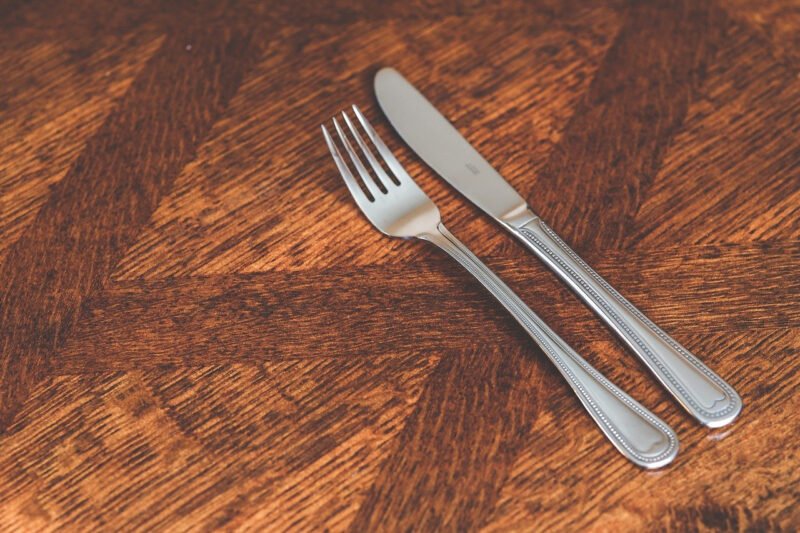
Straight-edge bread knives possess a smooth blade, which typically ranges in length from 8 to 12 inches. Unlike serrated varieties, straight edges are designed for a clean slicing motion, requiring even pressure throughout the entire cut.
Performance Advantages
- Precision Cuts: Straight-edge knives allow for precise, clean slices, making them ideal for those who prioritize uniformity in their cuts. This is particularly important for certain baking applications and sandwich preparation.
- Easier to Sharpen: Straight-edge knives can be easily sharpened with a whetstone or honing steel, allowing for consistent performance and prolonged lifespan with proper care.
- Multi-purpose Utility: Straight-edge knives are often more suitable for other tasks, including slicing or chopping vegetables and even meats, making them a viable option for those with a limited knife collection.
Maintenance and Care
Proper maintenance of a straight-edge knife includes routine sharpening and honing. A whetstone or honing rod is typically sufficient to maintain the edge. Regular washing by hand and proper drying are essential to prevent rust and damage.
Specific Use Cases
Bread Types and Ideal Knife Matches
- Artisan Loaves: Serrated knives excel here due to their ability to cut through the crunchy crust without compressing the soft interior.
- Sourdough: Sourdough often has a thick crust and soft inside, making a serrated knife the go-to choice for an attractive cut.
- Sandwich Bread: For processed bread varieties, both knife types can perform well; however, a straight-edge knife can yield cleaner, more uniform slices ideal for sandwiches.
- Bagels: Similarly, for bagels, a serrated knife offers an easier cut without squishing the bagel, but some may prefer straight-edge knives for precise, even halves.
User Preferences and Considerations
The choice between serrated and straight-edge bread knives often comes down to personal preference, baking habits, and kitchen tools available. Some cooks may prefer serrated knives for their ease of cutting through tougher crusts. Others might lean towards straight-edge knives for their versatility and ease of maintenance.
Budget Considerations
When selecting a bread knife, budget plays a crucial role. Serrated knives can often be found in more affordable ranges due to mass production. However, investing in a high-quality straight-edge knife may provide longer-lasting performance and more frequent use beyond bread.
Material Matters
Both serrated and straight-edge bread knives come in various materials, predominantly stainless steel. Quality varies, influencing durability and sharpness retention. High-carbon stainless steel is noted for its edge retention, while ceramic knives offer incredible sharpness but can be brittle.
Grip & Comfort
The handle style and material can significantly affect user experience and comfort. Serrated knives often come with ergonomic handles designed for grip and comfort during the cutting process. Straight-edge knives vary widely from classic wooden handles to modern plastic composites that allow for a different feel and grip during use.
Cutting Techniques
Understanding the proper technique can amplify the performance of both knife types. When using a serrated knife, a sawing motion is typically recommended, while a straight-edge knife requires long, even strokes to avoid damaging the bread. Employing these methods can yield better results and enhance the slicing experience.
Recommendations and Storage Solutions
For those looking to maximize their kitchen toolset, having both a serrated and a straight-edge bread knife can be advantageous. Storing them in a knife block or magnetic strip preserves their integrity and makes them easily accessible during cooking preparations.
Conclusion
In evaluating serrated vs. straight-edge bread knives, consider factors such as bread type, personal usage, and overall care requirements. While both have unique advantages, understanding their capabilities allows you to select the ideal knife for your kitchen needs, enhancing your baking experience and making slicing bread a pleasure rather than a chore.