


Understanding Knife Sharpness
Sharp knives are essential tools in any kitchen. Their ability to perform tasks with precision relies on proper maintenance, and knife sharpening plays a crucial role in ensuring they retain their effectiveness. When a blade dulls, it requires additional pressure to slice through food, making the cooking process tedious and potentially hazardous. Understanding how to sharpen a knife safely and effectively can significantly enhance your culinary experience.
Importance of Knife Sharpening
Sharpening your knives not only maintains their efficacy but also prolongs their lifespan. A well-maintained knife can cut through tough meats and delicate vegetables with ease, reducing the risk of slips and accidents in the kitchen. Furthermore, a sharp knife allows for more efficient food preparation, enabling you to produce dishes with improved presentation and flavor.
Tools for Knife Sharpening
Before embarking on the knife sharpening journey, it’s essential to understand the various tools available:
Whet Stones: These are often considered the most traditional and effective method for sharpening knives. They require technique and practice but offer unparalleled precision.
Honing Rods: Generally made of steel or ceramic, honing rods are perfect for regular maintenance, straightening the blade edge rather than sharpening it.
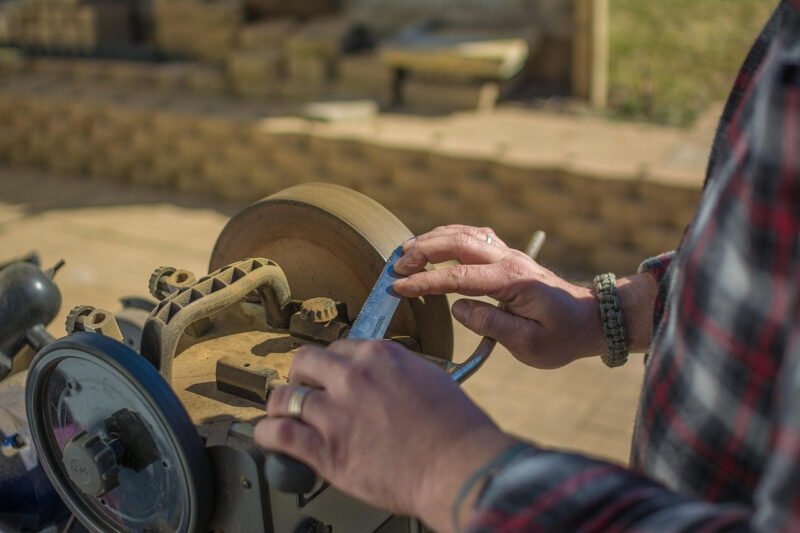
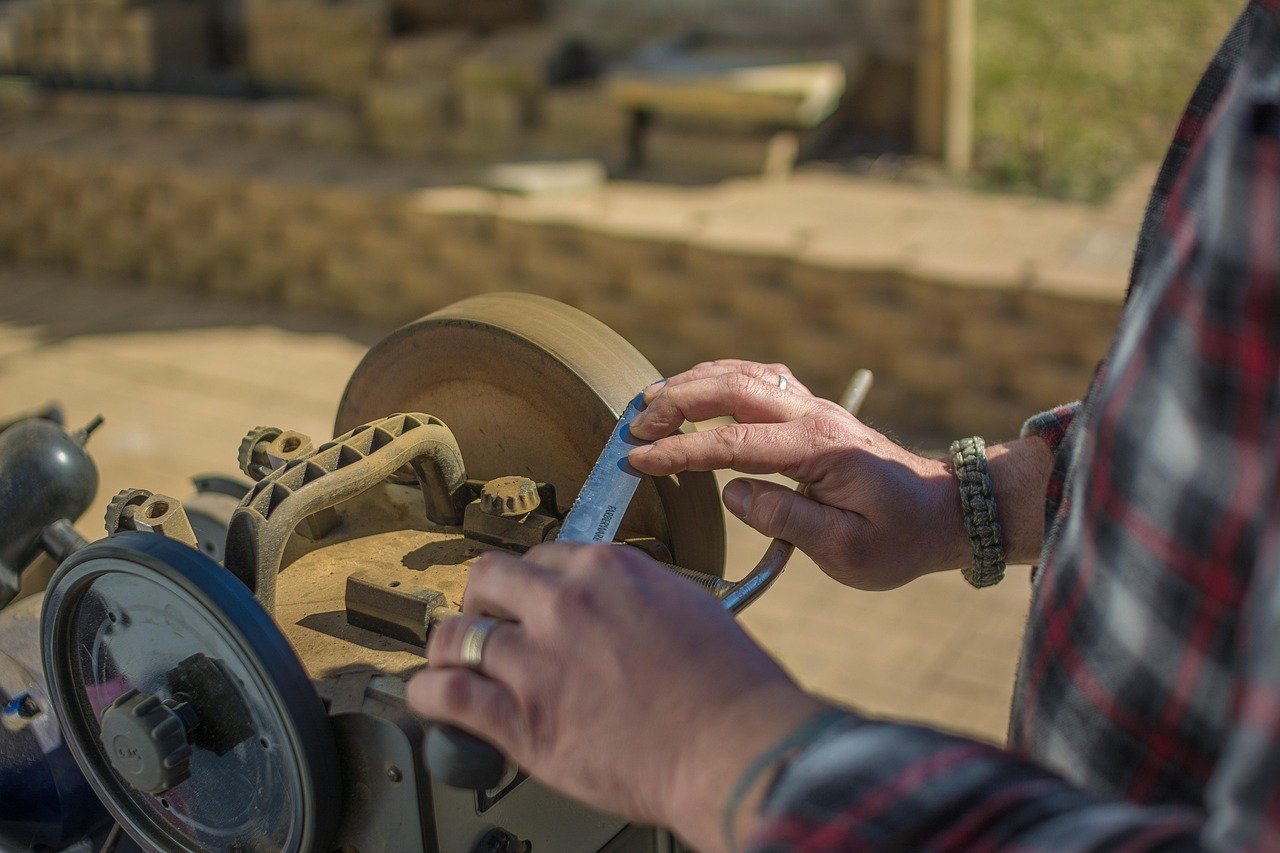
Sharpening Systems: These devices typically have preset angles and guide rails, making them easier for beginners to use. However, they may not provide the ultimate edge compared to whet stones.
Electric Sharpeners: These are faster but can be less forgiving, often removing more material than necessary if misused.
Pull-Through Sharpeners: These are simple to use and great for quick touch-ups but may not produce the optimal edge compared to whet stones or professional sharpening.
The Whet Stone Method
The whet stone offers flexibility and control, enabling you to sharpen your knife to your preferred sharpness level. Here’s how to effectively use a whet stone:
Choosing the Right Stone
- Grit Level: Whet stones are categorized by grit. Lower grit stones (200-800) are used for dull knives, while higher grit stones (1000-3000 or more) refine an edge.
Preparing the Whet Stone
- Soaking: If you use a water stone, soak it for about 10-15 minutes before use to prevent the stone from clogging with metal shavings.
Sharpening Technique
Position: Place the stone on a damp cloth to prevent slipping. Ensure you’re seated comfortably and that your knife is within reach.
Angle: Hold the knife at a consistent angle of about 20 degrees to the surface of the whet stone. This angle may vary slightly, depending on the type of knife you’re sharpening.
Drags and Strokes: Starting at the heel of the blade, apply light pressure and pull it across the stone toward you, moving down to the tip. Repeat this motion 5-10 times on one side before flipping the knife to the other side.
Refining the Edge: Switch to a finer grit stone (1000+), and repeat the previous steps. Finish with several light strokes to polish the blade.
Cleaning and Testing: Wipe the knife and give it a test cut on a piece of paper. With proper technique, it should slice through with minimal resistance.
Using a Honing Rod
Honing rods are useful for maintaining a sharp edge between sharpenings. The process is quick and straightforward:
Position the Rod: Hold the honing rod vertically with the tip resting on a stable surface.
Angle Alignment: Hold the knife at a 20-degree angle against the rod.
Sharpening Motion: Start from the top of the blade and draw it down the rod, using moderate pressure. Repeat this on both sides of the knife, about 5-10 times.
Step-by-Step Guide for Electric Sharpener
Electric sharpeners provide a speedy alternative, though they require careful handling:
Setup: Plug in and ensure your knife is clean and dry.
Slot Selection: Most electric sharpeners have slots for coarse and fine sharpening. Start in the coarse slot.
Insertion: Place the knife blade in the slot and gently pull it through. Do not force the knife; let the machine do the work.
Fine Tuning: Once coarse sharpening is complete, switch to the fine slot for polishing.
Pull-Through Sharpeners
These sharpeners have a simple design that appeals to inexperienced users:
Placement: Secure the sharpener on a flat surface.
Inserting the Knife: Insert the knife blade edge-first into the appropriate slot.
Pulling Motion: Pull the knife through the sharpener while applying moderate pressure until it exits on the other side.
Safety Considerations
Sharpening knives can be risky if not done with care. Consider the following safety measures:
- Always keep your fingers away from the blade path.
- Use a stable surface when sharpening.
- Ensure knives are clean and dry before sharpening to avoid slips.
- Store knives properly after sharpening to protect the blade edge.
Regular Maintenance
To keep your knives in optimal condition:
- Hone Regularly: Use a honing rod every few uses to maintain sharpness.
- Sharpening Schedule: Depending on usage, sharpen your knives every 3-6 months.
- Cleaning: Always wash and dry your knives immediately after use to avoid rust and corrosion.
Best Practices for Knife Care
- Correct Storage: Use magnetic strips, blocks, or sheaths to protect the blade edges.
- Avoid Dishwashers: Hand-washing is preferable; dishwashers can dull and damage your knife.
- Cutting Boards: Use wooden or plastic boards instead of glass or stone, which can dull the knife.
In Summary
Understanding and implementing various knife sharpening techniques can elevate your cooking experience. From learning the finesse of a whet stone to quickly using electric sharpeners, honing your skills in knife maintenance is worthwhile. By following safe sharpening practices and carving out a maintenance routine, you can ensure a clean, sharp edge that enhances your culinary tasks.