


Understanding Electric Knife Sharpeners
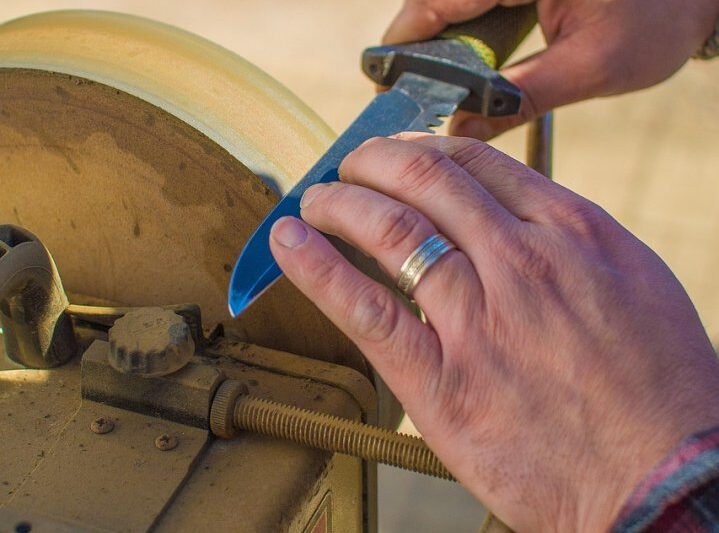
Electric knife sharpeners have transformed the way individuals maintain their kitchen knives. Unlike traditional manual sharpening methods involving whetstones or hand-held sharpeners, electric sharpeners automate the sharpening process, promising consistency and efficiency with minimal user effort. Their design typically includes a motor-driven system with multiple abrasive wheels, which align and refine the blade’s edge to restore sharpness.
How Electric Knife Sharpeners Work
Electric knife sharpeners operate using a simple yet effective mechanism. After inserting the knife into designated slots, the user presses a button to activate the motor. As the blade moves through the abrasive wheels, these components remove metal from the edges, reshaping them into a sharper angle. Most electric sharpeners offer two or more stages:
Coarse Grinding: This initial stage uses a rougher grit to tackle dull or damaged blades. It quickly removes material to form a new edge.
Fine Grinding: The subsequent stage uses finer grit to refine and polish the edge, ensuring a smooth and sharp blade.
Some advanced models include a third stage for honing, which further sharpens and aligns the blade’s edge without removing significant material.
Benefits of Electric Knife Sharpeners
1. Time Efficiency
Electric sharpeners are designed for quick results. The automated nature allows users to sharpen a knife in just a few minutes compared to the longer manual process, making them ideal for busy kitchens.
2. Consistent Results
One of the standout advantages is the consistency they provide. Electric sharpeners guide the blade at the correct angle, ensuring that every sharpening produces a reliable edge. This uniformity is particularly beneficial for those who may lack experience or confidence in manual sharpening techniques.
3. Minimal Skill Required
For users intimidated by manual sharpening tools, electric knife sharpeners are user-friendly. With simple instructions and limited hand involvement, even beginners can achieve professional-level sharpening results.
4. Versatility
Many electric sharpeners can accommodate various types of knives, including serrated and straight blades. This versatility makes them a valuable addition to both home and professional kitchens.
5. Space Savvy
Most electric sharpeners are compact enough for counter storage yet powerful enough to handle numerous knives, making them a smart choice for kitchens with limited space.
Potential Drawbacks of Electric Knife Sharpeners
1. Cost
Electric knife sharpeners typically have a higher initial investment compared to manual sharpeners or whetstones. Prices can range from $30 to over $200, depending on features and brand. This cost can deter some consumers who are looking for a more budget-friendly option.
2. Risk of Over-sharpening
While automated sharpening provides consistency, it also poses the risk of over-sharpening. Continual use of electric sharpeners without proper interval can lead to excessive wear and tear on the blade, diminishing the knife’s lifespan.
3. Lacks the Artisan Touch
Many chefs and culinary enthusiasts value the hands-on experience of sharpening knives, believing it fosters a connection with the tool. Electric sharpeners might lack the intimate feel and skill development offered by traditional methods, leading some to view them as less desirable.
4. Noise
Electric knife sharpeners can be noisy during operation, which might not be conducive to a calming kitchen environment. Users should consider their home setting and the potential disturbance to others when choosing an electric model.
Choosing the Right Electric Knife Sharpener
When considering an electric knife sharpener, several factors should influence your decision:
1. Sharpener Type
Different models cater to varying knife types. Look for a sharpener that offers versatility for your specific needs, at least capable of handling both straight and serrated knives.
2. Stages of Sharpening
Models with multiple stages ensure a finer finish. A three-stage sharpener, for instance, enhances the sharpening process by adding honing capabilities, providing a polished edge.
3. Safety Features
Safety is paramount. Features such as suction bases that prevent slipping during use enhance stability and safety.
4. Portability and Storage
If space is an issue, consider how easily the sharpener can be stored or transported. Compact, lightweight options are ideal for chefs on the go.
5. Brand Reputation and Reviews
Research brands that are known for quality and reliability. Customer reviews can provide insight into performance, durability, and user satisfaction.
Maintenance and Care for Electric Knife Sharpeners
To ensure longevity and performance, proper maintenance of electric knife sharpeners is essential. Regularly clean the components according to the manufacturer’s recommendations. Some sharpeners offer removable parts for easy cleaning, preventing metal shavings from accumulating—with unattended buildup potentially resulting in operational issues.
Lubrication may occasionally be needed depending on the model, and regular checks for wear on abrasive wheels will help maintain sharpness quality.
Conclusion
In the culinary world, the pursuit of sharp knives is ongoing as it makes food preparation safer and more efficient. Electric knife sharpeners offer a compelling balance of convenience, consistency, and user-friendliness, making them a worthy investment for many. However, their cost, potential for over-sharpening, and the preference for manual sharpening methods are essential considerations for prospective buyers. Ultimately, the choice between an electric sharpener or traditional methods boils down to personal preference, kitchen style, and the specific requirements of one’s culinary endeavors.