


Electric vs. Manual Blade Sharpeners: Which is Better?
Understanding Blade Sharpeners
Blade sharpeners are essential tools for maintaining the sharpness and longevity of knives, scissors, and other cutting implements. These tools generally fall into two categories: electric and manual. Choosing the right one depends not only on personal preference but also on specific needs.
Manual Blade Sharpeners
1. Types of Manual Sharpeners
Manual sharpeners range from simple honing rods to more complex systems that involve multiple stages of sharpening. Common types include:
- Honing Rods: Ideal for honing the edge of your knife between uses. They don’t sharpen but realign the blade’s edge.
- Whetstones: Require a certain skill level; best for those who want precise control over the sharpening process.
- Pull-Through Sharpeners: User-friendly and compact, these devices provide a straightforward option for quick sharpening.
2. Advantages of Manual Sharpeners
Cost-Effective: Generally, manual sharpeners are less expensive than their electric counterparts.
Control: Users have complete control over the sharpening process, allowing for tailored edge angles and finishes.
No Electricity Required: Useful in situations where electricity isn’t available—outdoor settings, for instance.
Skill Development: Requires practice, which can be rewarding and develops a deeper appreciation for knife maintenance.
3. Disadvantages of Manual Sharpeners
Time-Consuming: Sharpening can take longer, especially if using whetstones or honing rods.
Skill Required: Not everyone has the dexterity or knowledge for effective manual sharpening.
Physical Effort: Manual sharpening can be physically demanding, especially for those with limited strength.
Electric Blade Sharpeners
1. Types of Electric Sharpeners
Electric sharpeners can vary widely in complexity and price. Here are some common types:
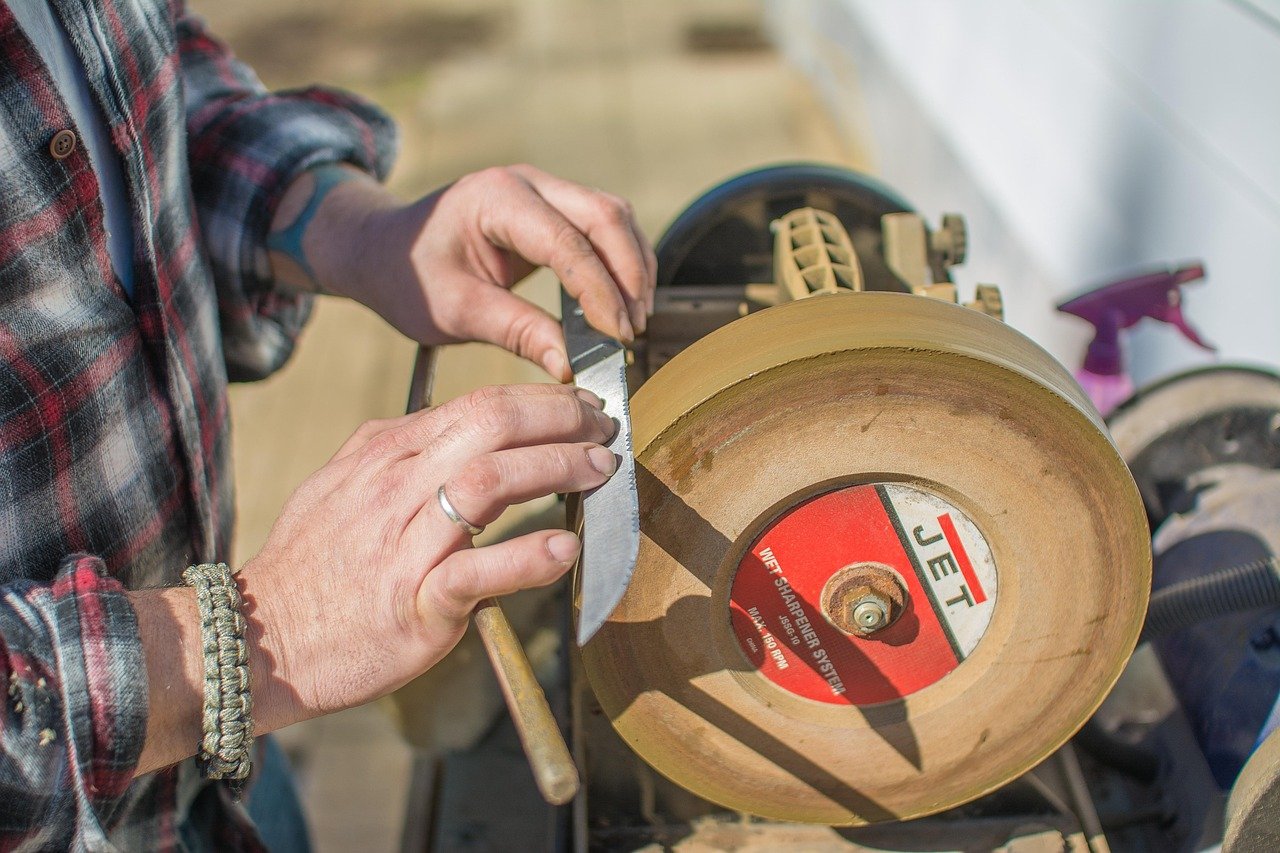
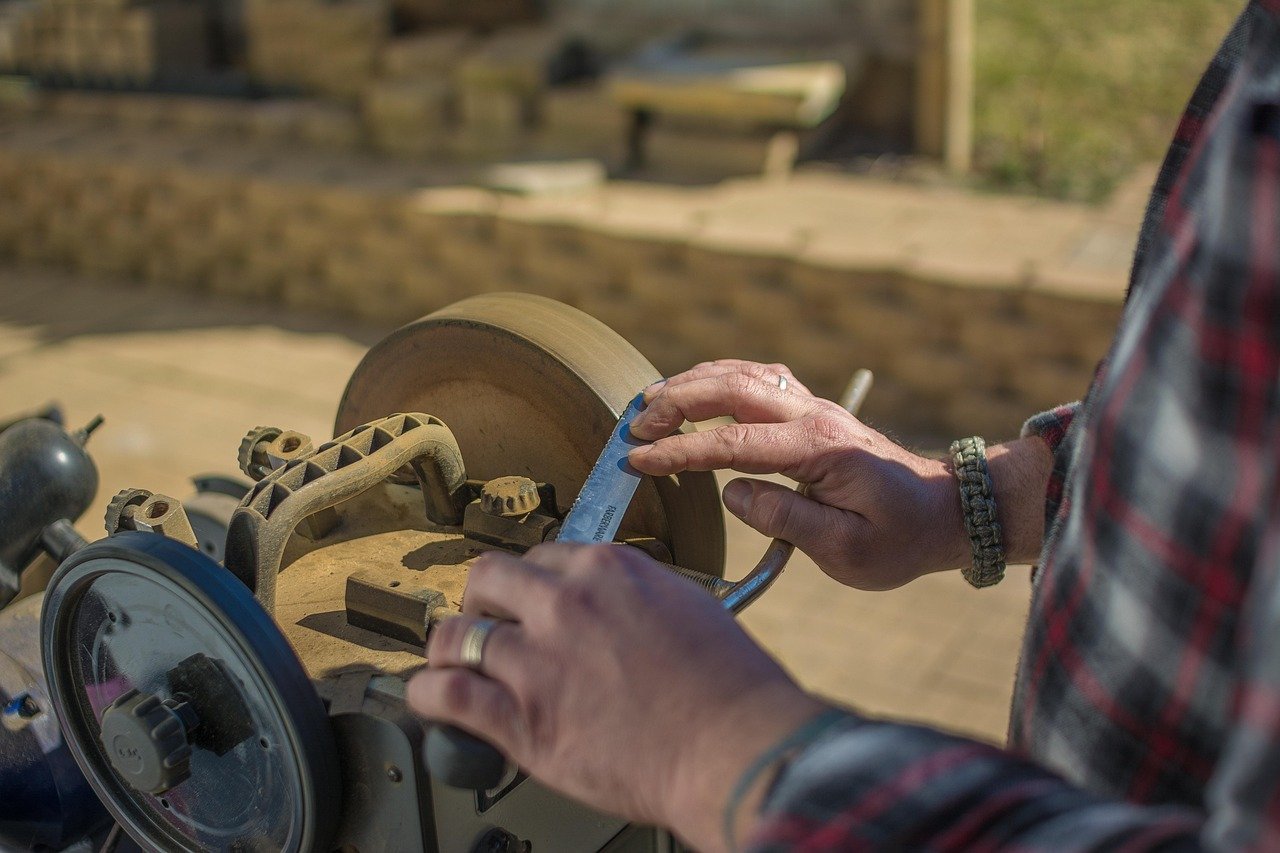
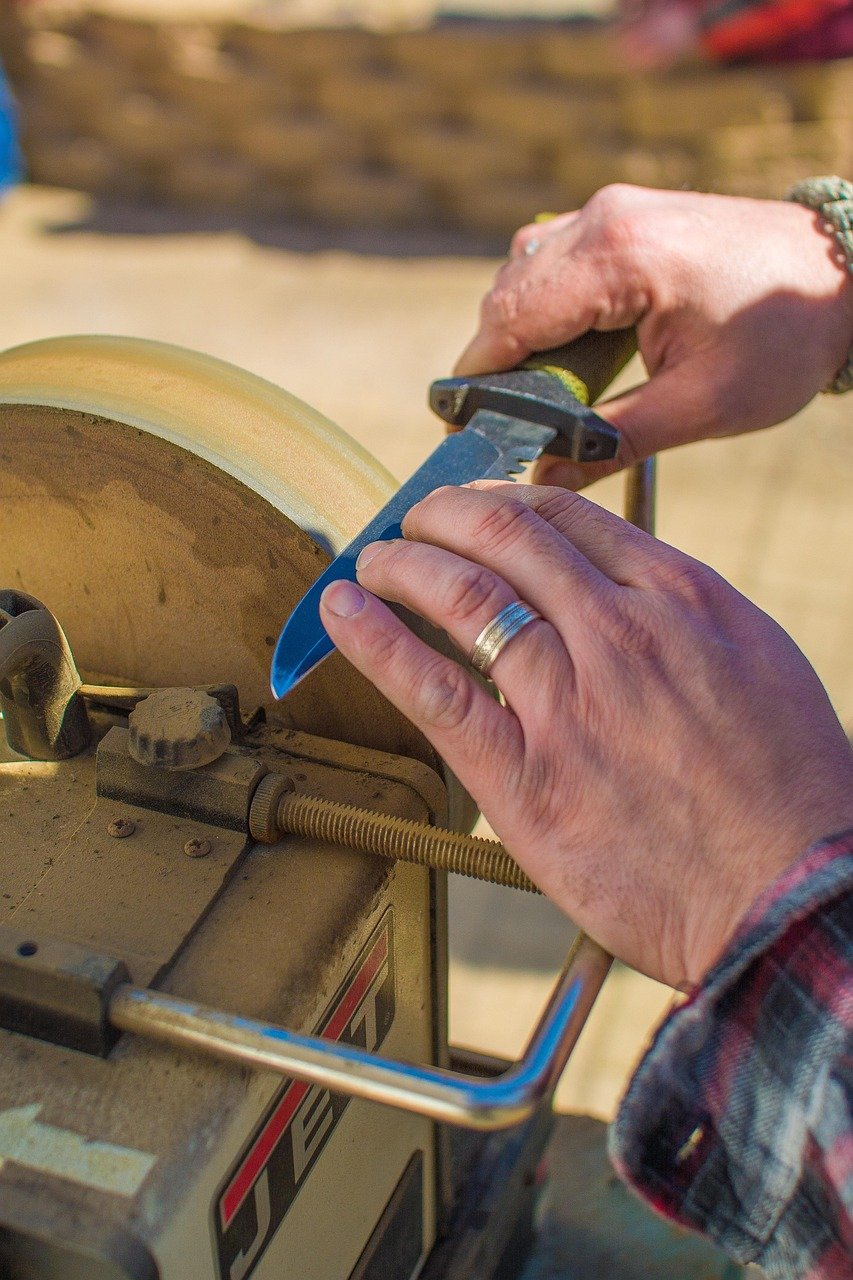
Electric Grindstones: Employ abrasive wheels or belts to sharpen blades quickly.
Electric Pull-Through Sharpeners: Similar to manual pull-throughs but powered by an electric motor, these sharpeners are designed for convenience.
Multi-Stage Systems: These sharpeners use multiple stages to refine the edge from coarse to fine, often with diamond or ceramic components.
2. Advantages of Electric Sharpeners
Speed: Electric sharpeners dramatically reduce sharpening time, making them ideal for busy kitchens or workshops.
Consistency: Offers a uniform sharpening angle, which can be hard to achieve manually.
Ease of Use: Most electric sharpeners require minimal training. Users simply insert the blade and let the machine do its work.
Less Physical Strain: Ideal for those who may struggle with the manual effort required to achieve a good edge.
3. Disadvantages of Electric Sharpeners
Cost: Generally more expensive, which can be a significant investment for casual users.
Portability: Electric sharpeners need power sources, which limits their portability compared to manual models.
Potential for Damage: Over-reliance on machines might lead to the removal of too much material, ultimately damaging the blade.
Performance Comparison
1. Efficiency and Speed
Electric sharpeners excel in speed and efficiency. For busy culinary environments or during high-demand operations, they can provide quick results that manual sharpeners simply cannot match.
2. Control and Precision
Manual sharpeners offer the user greater control, particularly when using whetstones where angle maintenance is key. A well-executed manual sharpen can lead to a sharper, more refined edge, tailored to specific cutting tasks.
3. Maintenance and Durability
Electric sharpeners often require the replacement of abrasive materials or components, which can increase ongoing costs. Conversely, manual sharpeners, particularly whetstones and honing rods, can last a lifetime with proper care.
Best Practices
1. For Manual Sharpeners
Choose the Right Stone: Select a whetstone grit based on the knife’s condition. Coarser grits are better for reshaping dull edges, while finer grits refine the sharpness.
Maintain the Angle: Keep a consistent angle to avoid damaging the knife. Practice makes perfect.
Use Water: When using a whetstone, submerging it in water enhances the sharpening process.
2. For Electric Sharpeners
Follow the Manufacturer’s Guidelines: Each electric sharpener may have specific instructions regarding use and maintenance.
Clean After Use: Regularly clean the sharpening mechanism to prevent buildup, which can affect performance.
Check the Belt or Wheels: Periodically inspect and replace worn components to ensure the sharpener operates effectively.
Choosing the Right Sharpener for You
Making the decision between electric and manual blade sharpeners involves several factors:
Frequency of Use: For everyday tasks, an electric sharpener may prove more convenient. For occasional users, a manual sharpener suffices.
Skill Level: If you are comfortable with knife work and enjoy the process of sharpening, a manual sharpener offers a gratifying experience. If not, electric models take away the guesswork.
Budget: Consider the initial purchase price and ongoing maintenance costs when deciding between the two types.
Type of Blades: Some blades, particularly high-end or specialty knives, may benefit more from manual sharpening methods due to the precision control offered.
Conclusion
Deciding between electric and manual blade sharpeners is a personal choice that can significantly affect the maintenance of your tools. Each type has its advantages and disadvantages, catering to different needs, preferences, and skill levels. Evaluating factors such as efficiency, cost, skill level, and portability can help in selecting the right blade sharpener that aligns with your unique requirements for optimal performance and durability.