


Essential Tools for Home Knife Sharpening
Understanding Knife Sharpening
Before delving into the essential tools for home knife sharpening, it’s vital to understand the basics of how a knife’s edge works. The sharpness of a knife is usually defined by the angle of its edge and its finish. Over time, even the best knives can dull, making sharpening an essential skill for any home cook. Regular maintenance not only prolongs the life of your knives but also enhances safety and efficiency in the kitchen.
Types of Knife Sharpeners
1. Manual Sharpeners
Manual sharpeners are portable and user-friendly, making them ideal for home use. Here are the main types:
Whetstones: These are the traditional sharpening tools that provide a customizable sharpening angle. Whetstones are available in different grits, allowing the user to refine edges according to their needs. A higher grit number (above 1000) is used for honing and polishing, while lower numbers (between 200-800) are suitable for repairing damaged edges.
Diamond Stones: These sharpeners have a steel base coated with diamond dust, making them effective for tough steel blades. They come in various grits and often provide faster sharpening than ceramic or waterstones.
2. Electric Sharpeners
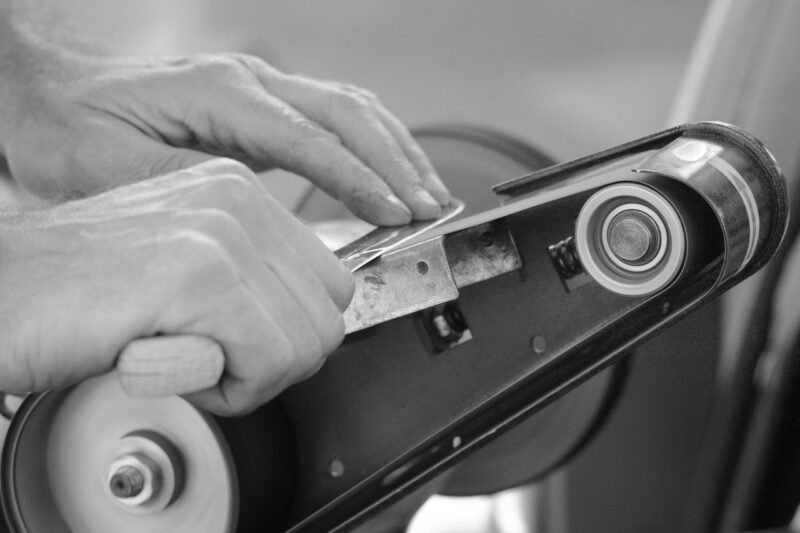
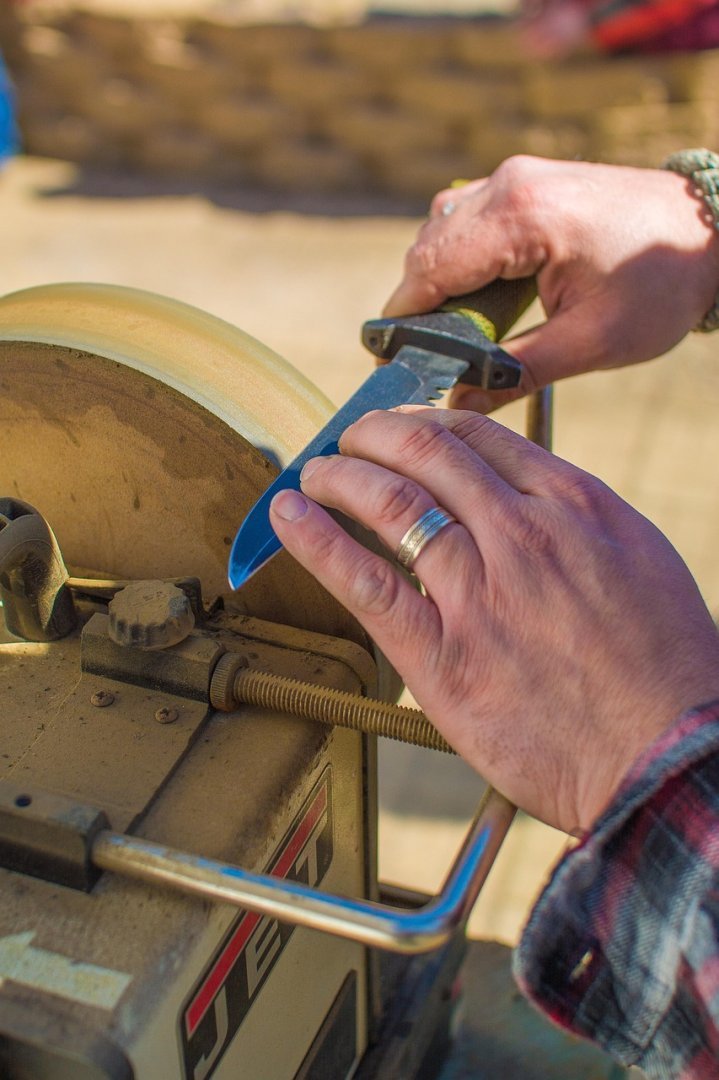
Electric sharpeners are a modern solution, offering efficiency and speed. They typically feature multiple stages of sharpening, from grinding to honing. The advantage of electric sharpeners is their ease of use; simply insert the knife and let the machine do the work. However, they can create more heat, which may affect the knife’s temper if not used properly.
3. Pull-Through Sharpeners
These compact tools are often favored for their simplicity. Users pull the knife blade through a pair of preset pulleys, which sharpen the blade at a fixed angle. Although quick, they can sometimes offer a less refined edge than more traditional methods.
Key Accessories for Effective Knife Sharpening
1. Honing Rods
Honing rods, also known as sharpening steels, are essential for maintaining a knife’s edge between sharpenings. They realign the microscopic teeth of the blade, ensuring a sharper cut. Using a honing rod regularly prevents the need for more significant sharpening down the road, making it a crucial tool in any kitchen.
2. Leather Strop
For those seeking a razor-sharp finish, a leather strop is invaluable. This tool is typically used after sharpening to refine the edge and remove any burrs. The process involves dragging the knife along the leather, usually treated with polishing compounds, resulting in a polished edge.
3. Angle Guides
Maintaining the correct angle while sharpening is key to achieving an effective edge. Angle guides can be attached to the knife or used with whetstones to ensure consistent sharpening angles. For example, a common angle for kitchen knives is around 15 to 20 degrees.
Selecting the Right Sharpening Stone
When choosing a whetstone or diamond stone, consider the following factors:
Material: Whetstones can be made from ceramic, aluminum oxide, or diamond. Each offers different benefits concerning durability and sharpening speed.
Grit Size: For general sharpening, a combination 300/1000 grit stone is versatile enough to repair edges and polish them. Advanced sharpeners may opt for a greater range, including higher grits for finishing touches.
Size: A larger stone requires less maneuvering, providing a larger surface area for the blade. However, smaller stones are ideal for portability and small spaces.
Safety Practices While Sharpening
Knife sharpening can pose risks if proper safety practices are not followed. Consider these tips:
Stable Surface: Always sharpen knives on a stable surface to minimize accidents. Using a non-slip mat beneath the sharpening station can enhance stability.
Correct Grip: Always grasp the knife securely by the handle and keep your fingers away from the blade during the sharpening process.
Protective Gear: Although not always necessary, wearing cut-resistant gloves can add an extra level of safety, particularly for beginners.
Maintenance After Sharpening
Once your knives are sharpened, proper maintenance is key to prolonging their sharpness:
Cleaning: Always wash knives carefully after sharpening. Use warm, soapy water and dry them immediately to prevent corrosion.
Storage: Storing knives correctly is essential. Consider using a magnetic strip, knife block, or sheaths to protect the blades from damage and maintain sharpness.
Regular Inspection: Routinely check the edge of your knives. If you notice a decline in performance, address it promptly to avoid the need for more extensive sharpening.
FAQs on Knife Sharpening Tools
How often should I sharpen my knives?
- This depends on usage frequency. For frequent cooks, a monthly sharpening is recommended, while light users may extend it to every few months.
Can I use a whetstone for all types of knives?
- Yes, whetstones are versatile and can be used for various knives, including ceramic and stainless-steel blades.
Is an electric sharpener worth investing in?
- If you value speed and convenience, an electric sharpener can be a great investment. However, be cautious of heat generation that might compromise the blade.
How do I clean my sharpening tools?
- Use a damp cloth or brush to remove metal filings and debris from sharpening stones or electric sharpeners. Ensure they are dry before storage.
Do I need different tools for different knife types?
- While many tools can sharpen different types, specialized knives (like serrated or high-end Japanese knives) might require particular sharpening angles or methods for optimal results.
By utilizing the right tools and understanding the process, anyone can maintain their knives in excellent working condition, improving both performance and longevity.