


Understanding the Importance of Knife Sharpening
Before diving into the various types of knife sharpeners and how to choose the right one, it’s essential to understand why maintaining sharp knives is crucial in the kitchen. Sharp knives are safer and more efficient. A dull knife requires more force to cut, increasing the risk of slips and injuries. Furthermore, a sharp knife enhances precision in cooking, allowing for clean cuts and better presentation.
Factors to Consider When Choosing a Knife Sharpener
Type of Knife Sharpener
Manual Sharpeners: These come in various designs such as handheld models and sharpening stones. Manual sharpeners offer great control and can be more affordable.
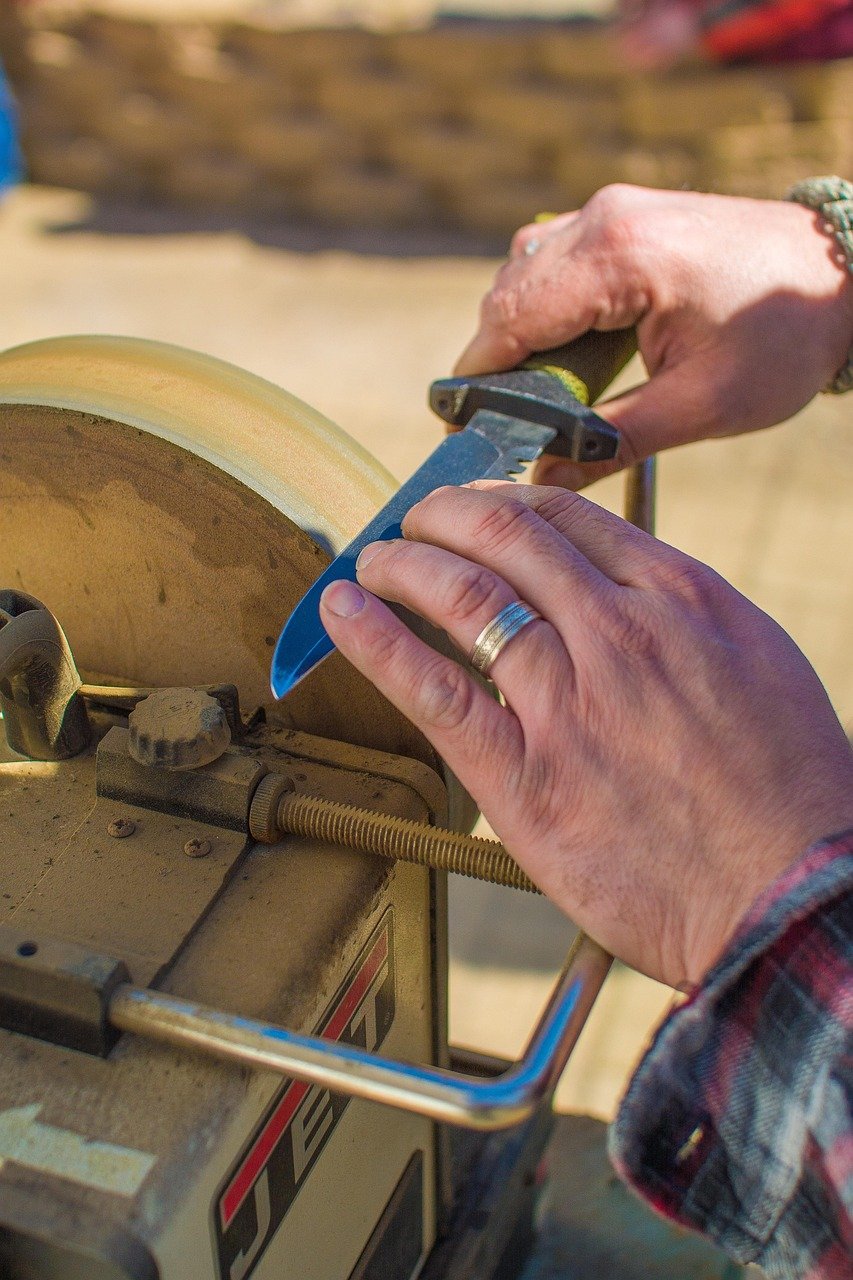
Electric Sharpeners: Generally quicker and easier to use, electric sharpeners offer a consistent grind but may not be suitable for all types of blades, especially high-quality chef’s knives.
Sharpening Stones: These provide the most versatility and are preferred by professional chefs. However, they require skill and practice to use effectively.
Honing Rods: Often overlooked, honing rods are great for maintaining an edge between more intensive sharpening sessions.
Quality of The Sharpener
The quality of the sharpener is critical. Stainless steel, ceramic, or diamond-coated sharpening surfaces are more durable and effective. A higher quality sharpener will provide a smoother edge and last longer, ultimately saving you money in the long run.
Blade Types
Understand whether your knives are made of stainless steel, carbon steel, or ceramic. Some sharpeners are not suitable for certain blade materials. Look for a sharpener that can handle your entire knife collection.
Grind Angle
Different knives have different grind angles. Most Western-style knives are sharpened at angles between 20 to 25 degrees. Japanese knives generally have a sharper angle of around 15 degrees. Make sure the sharpener you choose can accommodate these specific angles to avoid damaging your knives.
Ease of Use
The best knife sharpener should be easy to use, even for kitchen novices. Look for clear instructions, ergonomic designs, and non-slip bases to ensure safety and convenience.
Portability
If you often cook in different locations or need a sharpener for your camping gear, consider a portable model. Handheld sharpeners or compact electric sharpeners may serve well in such cases.
Cleaning and Maintenance
A sharpener that is easy to clean can save time and effort in the long run. Some models have removable parts or are dishwasher safe, making them more convenient for everyday use.
Popular Knife Sharpener Options
Whetstones
Known for their versatility, sharpening stones can sharpen different types of knives and help beginners learn to sharpen effectively. Look for a double-sided whetstone with varying grits for coarse and fine sharpening.
- Pros: Versatile, effective for various blade materials; allows for precise sharpening following different angles.
- Cons: Can be challenging for novices; requires practice to master.
Electric Knife Sharpeners
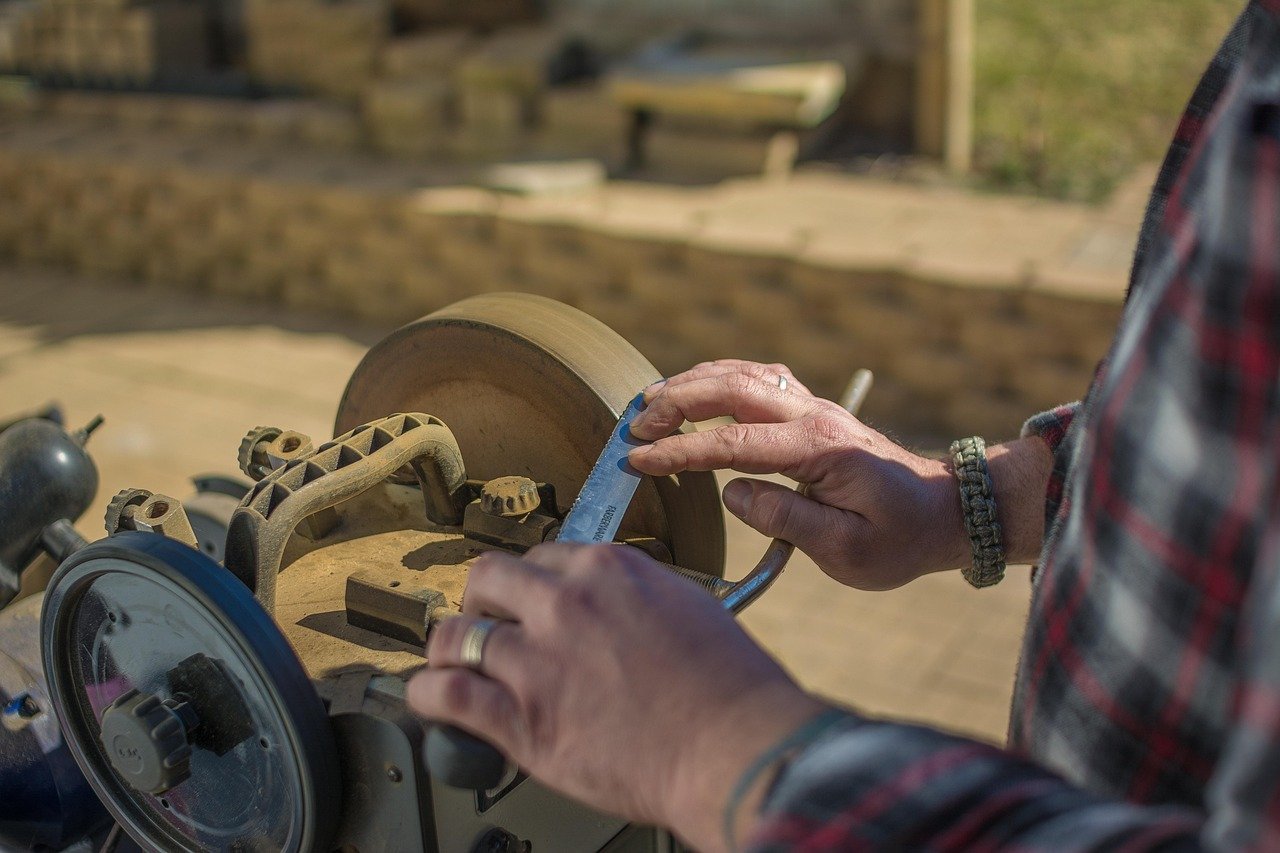
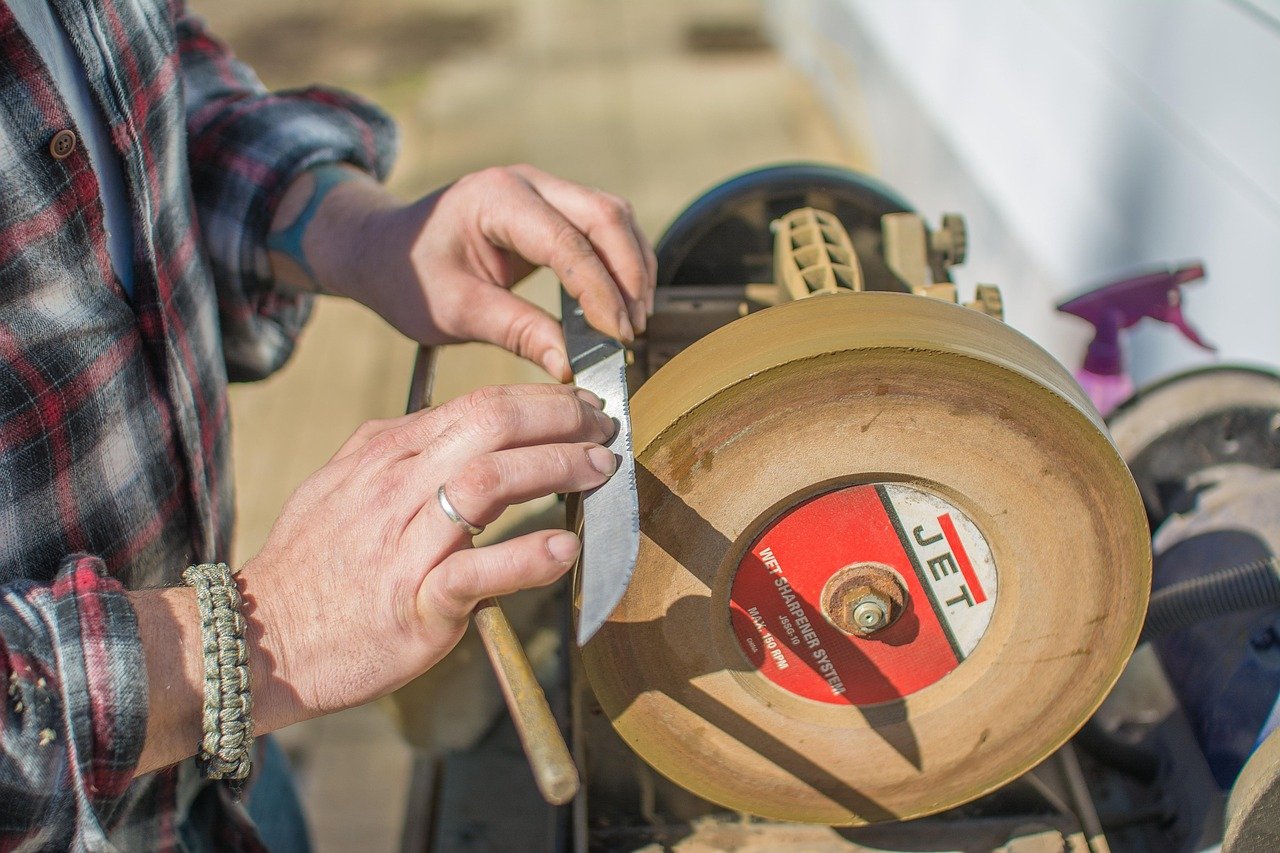
Electric sharpeners are designed to take the guesswork out of sharpening, often featuring preset angles. They can quickly sharpen dull knives with minimal effort.
- Pros: Fast and efficient; typically generates consistent results for beginners.
- Cons: May be bulky; some models can be expensive or unsuitable for certain high-end knives.
Manual Pull-Through Sharpeners
These are user-friendly and ideal for quick touch-ups. They usually feature two or more slots for different sharpening stages.
- Pros: Affordable, easy to use, and compact.
- Cons: May not be suitable for high-end knives; can wear down blades over time if used improperly.
Honing Rods
While not technically sharpener, honing rods are essential for maintaining knife edges. They align the blade between sharpenings.
- Pros: Extend the life of your knives; lightweight and easy to store.
- Cons: Cannot replace a full sharpening; requires some skill to use effectively.
How to Test a Knife Sharpener
After narrowing down your options, testing the sharpener is essential. Sharpen a dull knife using the selected sharpener and then perform a simple cutting test. A properly sharpened knife should easily slice through paper or cloth with little resistance.
Price vs. Quality
When investing in a knife sharpener, remember that price doesn’t always equate to quality. A mid-range sharpener can work just as effectively as a high-end model if it meets your needs. Research customer reviews, and consider recommendations from professionals or experienced cooks to find the best value for your budget.
User Reviews and Recommendations
Check online retail platforms or culinary forums for user feedback on the models you’re interested in. Customer reviews can provide firsthand insights into the effectiveness, durability, and user-friendliness of different sharpeners. Testimonials from professional chefs can also guide your decision.
Storing and Maintaining Your Sharpener
Once you’ve made your purchase, proper storage and maintenance ensure longevity. Keep your sharpener in a dry place to prevent rust. Regularly clean it according to the manufacturer’s instructions and inspect it for wear and tear.
Conclusion
Choosing the right knife sharpener is essential for maintaining the efficiency and safety of your kitchen knives. With the diverse options available, consider your specific needs, the types of knives in your collection, and the level of maintenance you’re willing to commit to. Prioritize quality, ease of use, and versatility to find the perfect knife sharpener that will serve you faithfully for years to come. Careful initial investment in a good sharpener will repay you through improved cooking experiences and enhanced kitchen safety.