


How to Choose the Best Serrated Bread Knife for Your Needs
When it comes to selecting the perfect serrated bread knife, several factors come into play, including the knife’s design, material, size, and other features. A good serrated knife is essential for slicing through crusty loaves of bread without squishing the soft interior. Here’s a detailed guide on how to choose the best serrated bread knife for your kitchen.
1. Blade Material
The material of the blade plays a significant role in its performance and longevity:
- Stainless Steel: A popular choice for serrated bread knives due to its resistance to rust and corrosion. Look for high-carbon stainless steel for added strength and sharpness retention.
- Carbon Steel: Known for its exceptional sharpness and edge retention, but it requires more care to prevent rusting. If maintained properly, carbon steel offers durability and extended use.
- Ceramic: Offers a lightweight option with excellent sharpness. Ceramic blades are rust-proof but more prone to chipping or breaking if mishandled.
2. Blade Length
The length of the blade is crucial for the knife’s efficiency:
- Standard Sizes: Most serrated bread knives range from 8 to 10 inches in length. An 8-inch blade is sufficient for standard loaves, while a 10-inch blade enables better slicing through larger, artisanal bread.
- Consider Your Bread: If you often bake or purchase larger loaves, opt for a longer knife. A longer serrated knife also gives you the leverage to slice without applying excessive force, which can crush the bread.
3. Serration Type
The design and shape of serrations determine how the knife performs:
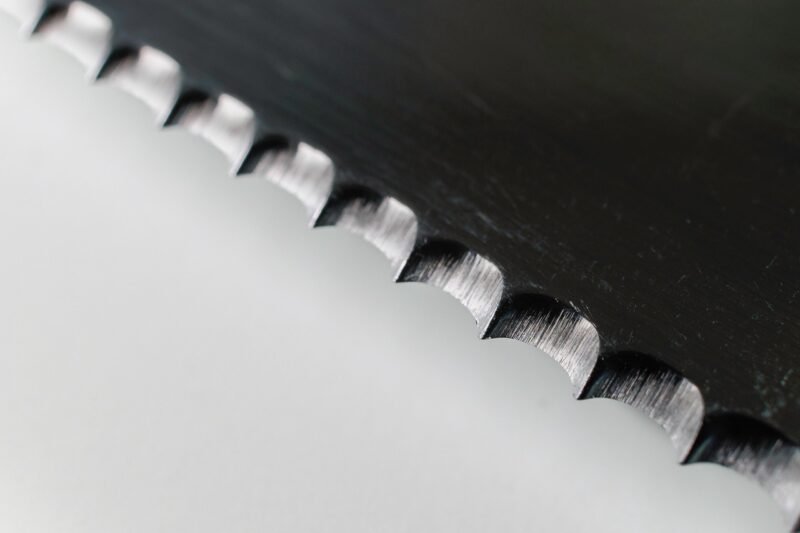
- Deep Serrations: Typically found in bread knives designed for crusty loaves, deep serrations can grip and slice through dense bread without tearing.
- Fine Serrations: Ideal for softer bread, these serrations allow for smoother cuts and can create clean slices for pastries and cakes.
- Serration Configuration: Look for a knife with alternate serration sizes or a wave pattern; this can enhance cutting efficiency and versatility.
4. Handle Design
The handle design impacts both comfort and control during use:
- Material: Consider handles made from materials like wood, plastic, or rubber. Wooden handles add a classic touch, while plastic or rubber handles often provide better grip and resistance to slipping.
- Ergonomics: Choose a handle that feels comfortable in your grip. An ergonomic design reduces hand fatigue during prolonged use. A full tang (where the blade extends through the handle) can provide a better balance.
- Shape: A handle that fits your hand snugly will improve control and precision. Test different shapes to find what feels best for your hand size.
5. Weight and Balance
The weight and balance of the knife contribute to its ease of use:
- Weight Considerations: A heavier knife may require less pressure when cutting, while a lighter knife might offer more control. Choose based on your comfort preference.
- Balance: A well-balanced knife will feel stable and secure. Hold the knife by the handle; it should feel like it naturally rests in your hand without tilting or feeling cumbersome.
6. Price Range
Serrated bread knives come at varying price points:
- Budget Options: Expect to pay anywhere from $10 to $30 for decent quality. These knives may lack some advanced features, but they can still perform well in most household settings.
- Mid-Range Knives: Priced between $30 and $70, these knives often feature better materials and design elements. Look for established brands that offer warranties as a testament to quality.
- Premium Choices: High-end bread knives can range from $70 to over $200. These are typically made with superior materials, craftsmanship, and come with lifetime warranties. Brands like Wüsthof, Victorinox, and Global are notable in this category.
7. Brand Reputation
The brand can impact the quality and reliability of your knife:
- Well-known Brands: Some brands have built strong reputations based on longevity and user satisfaction. Research brands with good reviews and customer feedback.
- Warranty and Service: Check to see if the brand offers a warranty. A solid warranty indicates confidence in the product’s quality. Brands that provide customer service assistance also ensure better long-term satisfaction.
8. Maintenance and Care
A bread knife can last for years with proper care:
- Regular Sharpening: Unlike straight-edged knives, serrated knives require less frequent sharpening. However, when dull, you can use a serrated knife sharpener or take it to a professional.
- Cleaning: Consider whether the knife is dishwasher-safe or if it requires hand washing. A knife with a full tang is generally easier to clean without compromising integrity.
9. User Reviews and Recommendations
Before making a purchase, consult user reviews and expert recommendations:
- Online Reviews: Websites like Amazon, culinary blogs, and kitchenware review sites often provide user insights that cover pros and cons.
- Cooking Forums: Community forums may have discussions on the best serrated bread knives and real-world use cases that can guide your decision.
10. Specialty Features
Lastly, keep an eye out for any additional features that may appeal to you:
- Protective Sheath: Some higher-end bread knives come with protective sheaths for safe storage, reducing the risk of accidental cuts during handling.
- Multi-Purpose Use: Some bread knives are designed with versatility in mind, functioning well for tasks beyond cutting bread. Check if it’s suitable for slicing fruits, cakes, and other baked goods.
By considering these factors, you can select the best serrated bread knife tailored to your bread slicing needs. Whether you’re a casual home baker or a dedicated culinary enthusiast, the right knife can enhance your experience, making bread cutting a pleasure rather than a chore.