


Understanding Knife Sharpening Basics
Before diving into the various sharpening tools available, it’s essential to grasp the basics of knife sharpening. Kitchen knives can become dull with regular use, affecting their performance, safety, and the quality of your cooking. Dull knives require more pressure when cutting, increasing the risk of slips and accidents. therefore, knowing how to properly sharpen is crucial.
Types of Knife Edges
Straight Edge:
- Common among chef knives. They are easier to sharpen and maintain.
- Requires honing and sharpening methods suitable for fine edges.
Serrated Edge:
- Found in bread and some utility knives. They require specialized tools.
- When using sharpening tools, ensure you’re using those designed for serrated knives.
Key Features of Sharpening Tools
When searching for the best sharpening tools, understanding their features will help you make an informed decision.
Material:
- Diamond: Highly durable and offers fast cutting, making it suitable for harder knife steels.
- Ceramic: Gentle on knife edges and ideal for regular maintenance but not for extensive reshaping.
- Steel Rod: A honing rod, typically made of steel, is used to realign and maintain the knife edge rather than sharpen it significantly.
Grit Size:
- Grit size affects how much material is removed from the blade.
- Coarse grits (around 200-600) are for reshaping damaged blades.
- Medium grits (600-1000) are for sharpening edges.
- Fine grits (1000-3000 and above) are for honing and finishing.
Ease of Use:
- Look for tools that are user-friendly, especially for beginners.
- Electric sharpeners often come equipped with guides, making them accessible for non-experts.
Types of Sharpening Tools
1. Whetstones (Sharpening Stones)
Whetstones are versatile and allow for precise sharpening. They come in various grits, offering complete control over the sharpening process.
Pros:
- Customizable sharpening angles.
- Long-lasting and can sharpen any knife.
Cons:
- Requires practice to master sharpening technique.
- Can be messier than other methods.
Choosing Tips:
- Select a dual-sided stone with coarse and fine grit.
- Ensure a non-slip base for safety while sharpening.
2. Honing Rods
Honing rods, or sharpening steels, are not meant for sharpening but for realigning the blade’s edge between sharpenings.
Pros:
- Easy to use and maintain knife edge over time.
- Ideal for everyday use.
Cons:
- Will not fix a severely dull knife.
Choosing Tips:
- Opt for a rod made of ceramic or diamond for best results.
- Consider length—longer rods provide more angle flexibility.
3. Sharpening Systems
More advanced sharpening systems provide precise angles and consistency.
Pros:
- Excellent for achieving a uniform edge.
- Good for users who want to ensure proper angles.
Cons:
- More expensive than other options.
- Can be complex for some individuals.
Choosing Tips:
- Look for systems with adjustable angles.
- Ensure the system can handle various knife sizes and shapes.
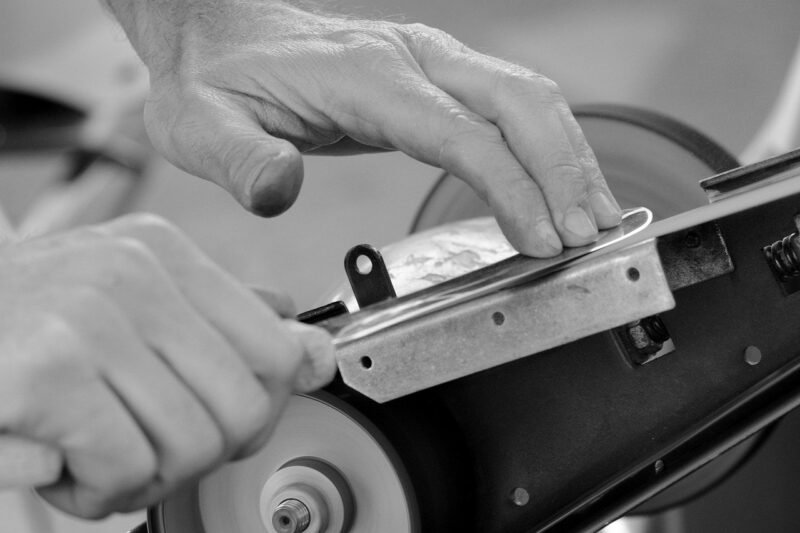
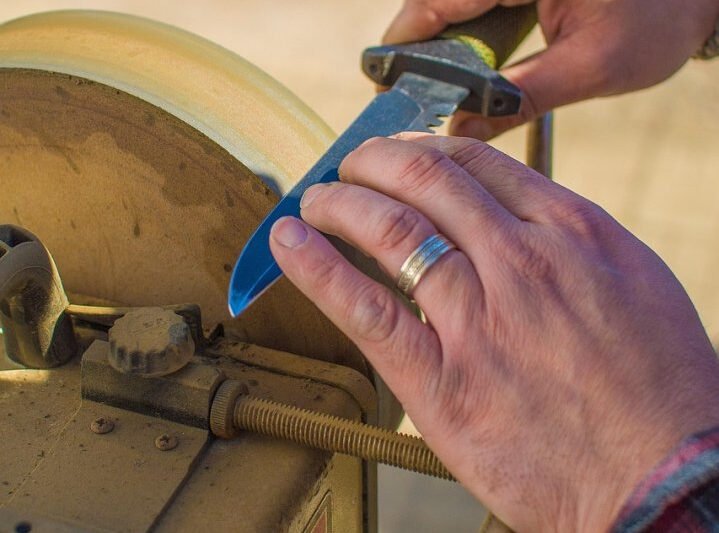
4. Electric Sharpeners
Electric sharpeners streamline the sharpening process significantly, making it quick and straightforward.
Pros:
- Fast and efficient, saving time.
- Built-in guides ensure consistent sharpening angles.
Cons:
- May remove more material than necessary.
- Not suitable for high-quality blades that require a delicate touch.
Choosing Tips:
- Check for multi-stage sharpening options for versatility.
- Ensure the model has enough power for your knife type.
5. Pull-Through Sharpeners
These are compact and feature preset angles, making them intuitive for beginners.
Pros:
- Simplicity makes them appealing to novice users.
- Usually affordable and portable.
Cons:
- Limited to specific angles and may not accommodate all knife shapes.
- Can dull high-quality knives over time if misused.
Choosing Tips:
- Look for models with replaceable sharpening elements.
- Ensure the tool is compatible with your knife types.
Maintenance and Care of Sharpening Tools
To ensure longevity and effectiveness, maintain your sharpening tools properly.
Cleaning:
- After using a whetstone, rinse it and let it dry to prevent debris buildup.
- Wipe honing rods and electric sharpeners with a damp cloth to remove metal shavings.
Storage:
- Store sharpening stones in a dry place. Consider using a protective case.
- Keep electric sharpeners in a stable location, out of direct moisture exposure.
Calibration:
- Periodically check and recalibrate electric sharpeners to maintain precision.
- Replace any worn parts of manual sharpeners regularly.
Safety Measures
While sharpening knives, prioritize safety to prevent injuries.
Use Appropriate Surface:
- Always sharpen on a stable, flat surface. Non-slip mats can enhance safety.
Cutting Direction:
- Always draw the knife back towards you while sharpening to maintain control.
Focus:
- Maintain focus while sharpening and avoid distractions to ensure safe practices.
Conclusion
Choosing the best sharpening tools for your kitchen is essential for maintaining your knives’ performance and safety. Evaluate the types of knives you own and select sharpening tools that align with your cooking habits, skills, and preferences. By understanding the various sharpening options available, their features, and maintaining them properly, you will ensure that your kitchen knives remain sharp, effective, and safe for all culinary adventures.