



Understanding Your Cooking Style
The first step in choosing the right knife is to determine your cooking style. Are you an amateur cook who enjoys experimenting with basic recipes, or are you a seasoned chef who prepares intricate meals daily? Understanding your approach to cooking will guide your knife selection to ensure you have tools that enhance your culinary experience. If you enjoy fine chopping and precision slicing, a chef’s knife would be beneficial. Conversely, if grilling or barbecuing is more your domain, a sturdy boning knife may be essential.
Types of Knives

Chef’s Knife
A chef’s knife is the most versatile and essential piece in any kitchen. Generally ranging from 6 to 12 inches in length, this knife can handle various tasks—from chopping vegetables to dicing herbs and even slicing meat. When selecting a chef’s knife, consider the weight and balance. A heavier knife may be suitable for those who prefer more force behind their cuts, while a lighter knife provides agility and ease of handling.
Paring Knife
For smaller peeling and detailed tasks, a paring knife is indispensable. Typically around 3 to 4 inches long, this knife is perfect for intricate work like deveining shrimp or creating decorative cuts in fruits and vegetables. A comfortable handle and good grip will allow for more precision in smaller tasks.
Santoku Knife
Originating from Japan, the Santoku knife is an all-purpose knife known for its distinctive flat edge and granton edge design, which helps prevent food from sticking. Measuring between 5 to 8 inches, this knife excels in slicing, dicing, and mincing, making it ideal for both professional and home cooks who enjoy Asian-inspired cuisines.
Utility Knife
A utility knife serves as a middle ground between chef’s and paring knives. With a blade length of about 4 to 7 inches, it’s perfect for tasks that don’t need a large chef’s knife but are too taxing for a paring knife. It’s ideal for cutting sandwiches, fruits, and other small items.
Material Selection
Stainless Steel
Stainless steel knives are popular for their durability and resistance to rust and corrosion. They are easy to maintain and can retain sharpness relatively well. However, they may require more frequent sharpening compared to high-carbon knives. A good choice for beginners and regular home cooks.
High-Carbon Steel
These knives are known for their ability to hold a sharp edge longer than stainless steel counterparts. They sharpen easily, but they require more maintenance to prevent rust and discoloration. If you’re committed to honing your skills, a high-carbon steel knife could elevate your cooking experience.
Ceramic
Ceramic knives are lightweight and maintain sharpness exceptionally well. They don’t rust, but they can chip easily if dropped. Suitable for those who want a low-maintenance option for slicing fruits and vegetables.
Handle Design
The handle of a knife significantly impacts its usability. When selecting a knife, hold it to identify the type of handle that feels most comfortable. Common handle materials include:
- Wood: Popular for its traditional aesthetic and comfort, though it requires careful maintenance.
- Plastic: Inexpensive and easy to replace, but may not provide the same ergonomic support as wood or metal.
- Metal: Sleek and durable, providing excellent balance, but may not be as comfortable for prolonged use.
Weight and Balance
A knife that feels good in your hand will greatly enhance your cooking experience. Heavier knives can be advantageous for chopping through dense foods, while lighter knives offer maneuverability for delicate tasks. A well-balanced knife, where the weight is evenly distributed, allows for more effortless cutting motions.
Length of Blade
The length of a knife’s blade can affect precision and ease of use. For general cooking, an 8-inch chef’s knife is widely regarded as the most versatile option. A smaller knife may suit those who frequently work with delicate ingredients, whereas a longer blade aids those who regularly handle larger items.
Choosing the Right Size
Hands-on testing is crucial for choosing a knife size. A knife that feels too large may hinder your ability to chop efficiently, while a small knife may require excessive effort. Try out various knives in a physical store or look for a retailer with a generous return policy if ordering online.
Specialty Knives
If your cooking style demands specific tools, consider the following specialty knives:
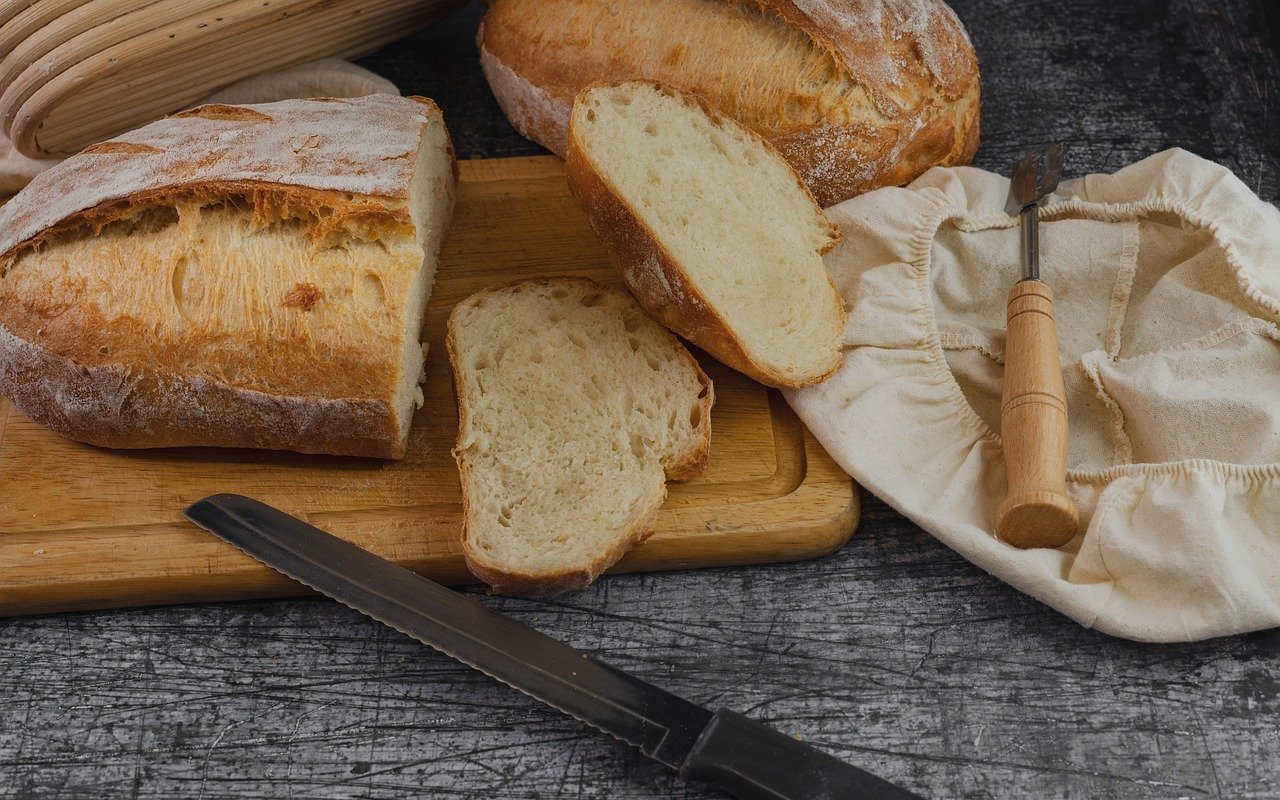
- Bread Knife: With serrated edges designed to slice through bread crusts without crushing the soft inside.
- Fillet Knife: A flexible blade perfect for filleting fish, offering precision for delicate cuts.
- Cleaver: A robust, heavy knife designed for cutting through bones and tough meats.
Budget Considerations
High-quality knives are an investment, but it’s important to find a balance between cost and quality. You don’t need to invest in an entire set at once. Start with a couple of essential knives and gradually build your collection as your skills evolve. When on a budget, prioritize a versatile chef’s knife and a reliable paring knife before exploring other options.
Care and Maintenance
Choosing the right knife goes beyond selection; proper care is crucial for longevity. Always hand wash knives instead of placing them in the dishwasher, as heat and detergents can damage materials and design. Regularly hone your knives to maintain sharpness, and periodically sharpen them using a whetstone, honing steel, or professional service. Store knives safely in a block, on a magnetic strip, or in sheaths to protect the blade and prevent accidents.
Testing and Reviews
Before finalizing your knife choices, read reviews and seek recommendations from fellow cooks or chefs. Online platforms and cooking forums can provide invaluable insights into knife performance and user experiences. Consider visiting local kitchen stores to test various models physically, giving you a feel for their performance and comfort.
Conclusion: The Art of Knife Selection
In summary, selecting the right knife is an art aligned with your cooking needs, preferences, and style. By understanding the types of knives available, their materials, and how they align with your culinary tasks, you can enhance your cooking experience significantly. Prioritize comfort, balance, and weight to find knives that feel like extensions of your own hands, ensuring a delightful and efficient cooking journey. Investing time in selecting the right tools will elevate your culinary skills, making you a more confident and creative cook.


