


Understanding Your Chef Knife
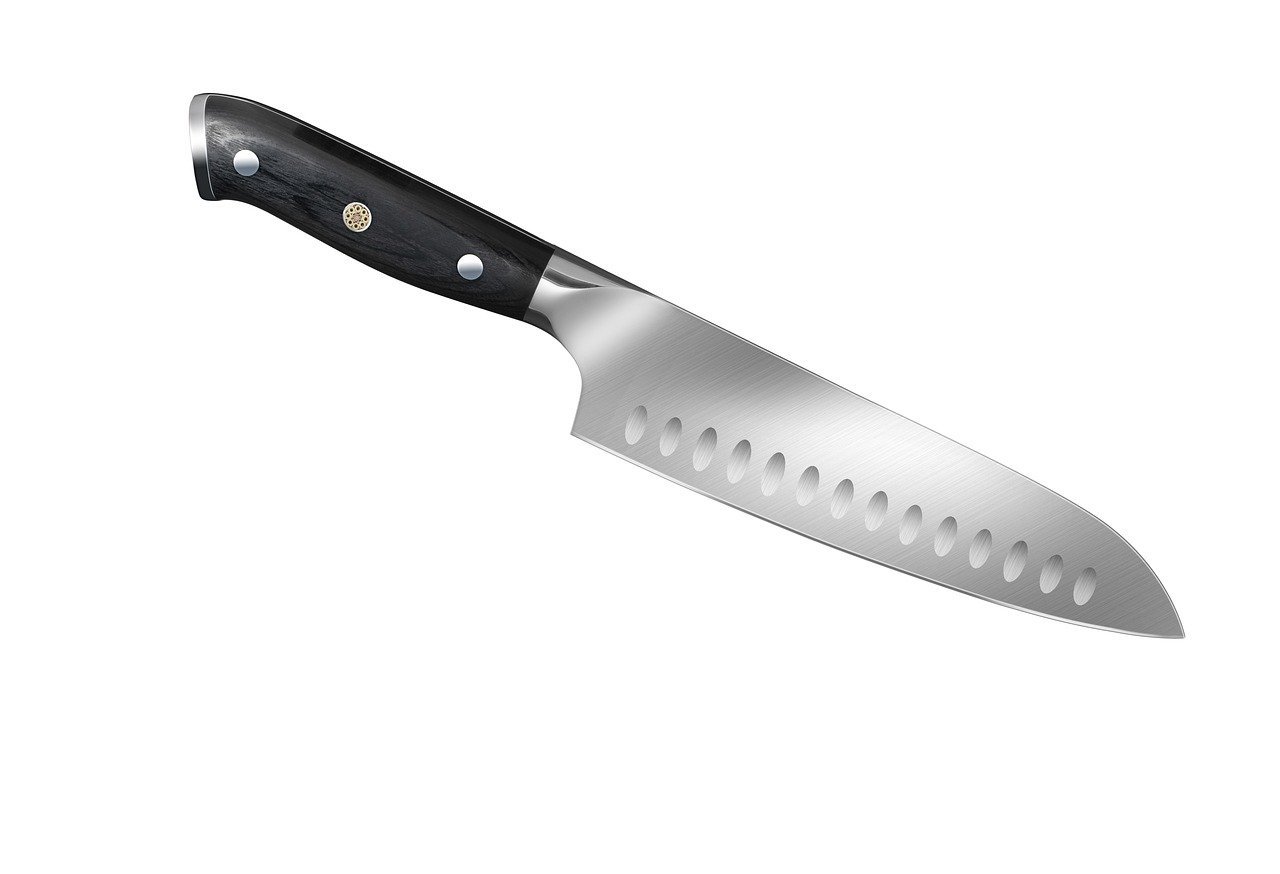
A chef knife is an essential tool in the kitchen, valued by home cooks and professional chefs alike for its versatility and precision. To make the most out of your chef knife, it’s vital to understand its anatomy. A typical chef knife has several components:
- Blade: Typically 8 to 10 inches long, the blade is the cutting edge of the knife.
- Spine: The top, non-cutting edge of the knife.
- Tip: The front of the blade, used for precise cuts and intricate work.
- Heel: The rear part of the blade, ideal for chopping.
- Handle: Where you grip the knife, often made from materials like wood, plastic, or metal.
Each part of the knife has its purpose and contributes to its overall function.
Keeping Your Knife Sharp
A sharp knife is not only safer but also more efficient. There are several methods for maintaining a sharp blade:
Whetstone Sharpening:
- Choose the Right Grit: Use a coarse grit (around 1000) for dull knives and a fine grit (3000-8000) for honing an already sharp knife.
- Proper Technique: Soak the stone, hold the knife at a 20-degree angle, and draw the blade across the stone, alternating sides. Maintain consistent pressure and angle for best results.
Honing Rod:
- Use Regularly: Frequently honing your knife after each use will maintain the edge.
- Angle and Technique: Hold the honing rod vertically and draw the knife down at a 20-degree angle. Perform this several times on each side.
Professional Sharpening: If your knife has lost its edge, consider getting it professionally sharpened annually. Look for services that specialize in high-quality knife sharpening.
Cleaning Your Chef Knife
Proper cleaning not only extends the lifespan of your knife but also maintains hygiene. Follow these guidelines:
- Immediate Cleaning: Wipe the knife immediately after use. This prevents food from drying and becoming difficult to remove.
- Hand Washing: Always wash your knife by hand in warm, soapy water. Avoid the dishwasher, as the high heat and harsh detergents can damage the blade and handle.
- Drying: Ensure to dry your knife thoroughly with a soft cloth, preventing rust and corrosion.
Storing Your Chef Knife
Correct storage is essential for maintaining your knife’s condition and safety in the kitchen.
- Knife Blocks: Store your knives in a wooden or bamboo block, which helps to protect the blade and keep it organized.
- Magnetic Strips: Attach a magnetic strip to your wall for a space-saving and accessible storage option.
- Blade Guards: Use blade guards when storing your knife in a drawer to prevent nicks and cuts to the blade.
Using Your Chef Knife Properly
Using your chef knife correctly reduces wear and tear on the blade and enhances safety.
- Cutting Surface: Always use a cutting board made from wood or plastic. Avoid glass, stone, or ceramic surfaces, which can dull the edge.
- Knife Skills: Master the pinch grip by holding the blade with your thumb and index finger, while wrapping your other fingers around the handle. This offers better control and balance.
- Techniques: Learn basic knife skills, such as chopping, slicing, and dicing. Practice proper techniques to prolong the life of your knife.
Regular Maintenance Checks
Regular maintenance checks can extend the life of your chef knife significantly.
- Inspect the Blade: Regularly examine the blade for nicks, chips, or corrosion. Address any issues immediately to prevent further damage.
- Check the Handle: Ensure the handle is secure and free from cracks or splitting, which can affect grip and control during use.
Recognizing When to Replace Your Knife
Even the best chef knives have a lifespan. Here are signs that it might be time for a replacement:
- Severe Damage: If the blade has deep nicks or chips that cannot be repaired through sharpening, consider purchasing a new knife.
- Rust Accumulation: Extensive rust that cannot be cleaned off may compromise the knife’s integrity.
- Handle Wear and Tear: A handle that is significantly worn, cracked, or splitting can lead to safety issues.
Additional Care Tips
Adhere to these additional tips to keep your chef knife in top condition:
- Avoid Using on Hard Surfaces: Never use your chef knife on frozen foods or bones, as this can lead to chips in the blade.
- Do Not Twist: Refrain from twisting the knife while cutting; always use a slicing motion.
- Condition the Handle: For wood-handled knives, apply mineral oil periodically to keep the wood from drying out and cracking.
Conclusion
Maintaining and caring for your chef knife is essential for ensuring that it performs well and lasts for years to come. By following these guidelines, you can keep your knife sharp, clean, and ready for any culinary task. Consistent care will not only enhance your cooking experience but also reflect your professionalism in the kitchen. As you invest time and effort into maintenance, you will find that the value of a well-cared-for chef knife far exceeds the initial purchase.