


Understanding Knife Sharpness
Knife sharpness is crucial for any cooking enthusiast. A sharp knife enables precise cuts, enhances food presentation, and significantly reduces the risk of accidents. Over time, all knives lose their edge, which can hinder your cooking experience. Regular maintenance can keep your knives in optimal condition.
Signs Your Knife Needs Sharpening
- Dullness: If you feel resistance while cutting through ingredients or the knife doesn’t slice through food easily, it may be time to sharpen.
- Nicks: Inspect the blade for visible nicks or irregularities; these can indicate the need for professional honing or sharpening.
- Rust or Discoloration: Any rust indicates neglect, and while it doesn’t directly relate to sharpness, a clean blade is essential for maintaining its integrity.
The Importance of Regular Maintenance
Regular maintenance not only preserves the sharpness of your knives but also extends their lifespan. A well-maintained knife ensures consistent cooking results, encouraging confidence in your culinary skills. Additionally, it contributes to safety, as a dull knife requires more force, increasing the likelihood of slipping and accidents.
Choosing the Right Sharpener
There are several types of sharpeners available, each serving different needs:
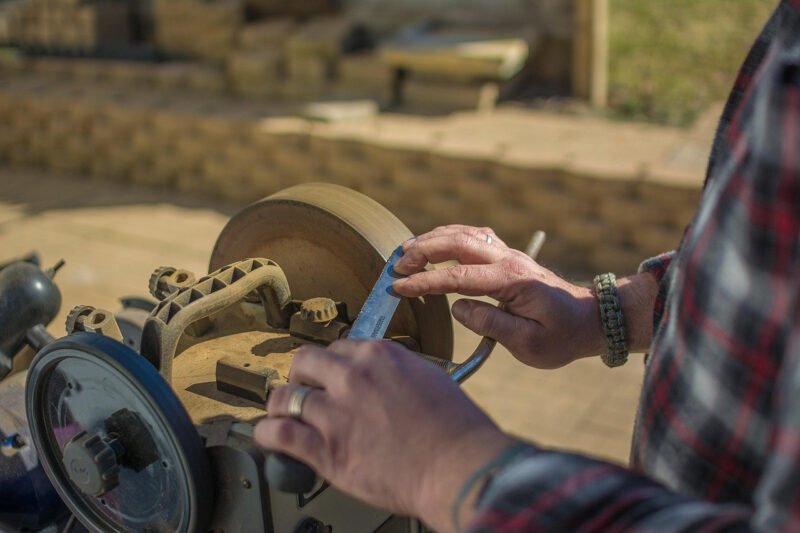
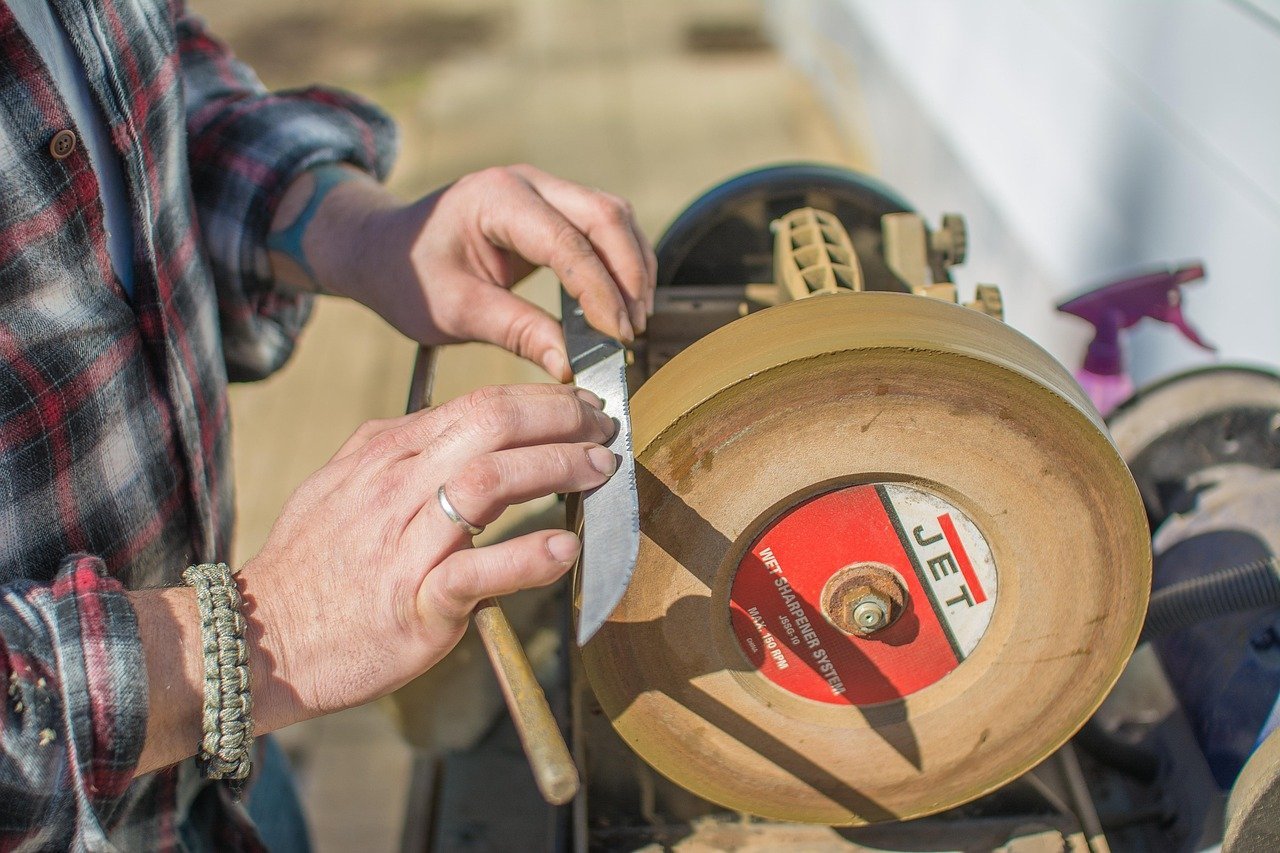
Whetstone: The traditional choice among chefs, whetstones require some practice but provide excellent control over the sharpening process. They come in various grits, allowing you to refine your knife’s edge precisely.
Honing Rod: Used primarily for honing rather than sharpening, honing rods align the blade’s edge. They are a great daily maintenance tool and should be used before and after every significant cutting session.
Electric Sharpener: While they offer convenience and speed, electric sharpeners may remove more material from your knives than necessary, which can lead to shorter lifespans. Use them sparingly.
Pull-Through Sharpeners: These are simple and often provide great results for beginners. However, they can sometimes create an uneven edge and are not recommended for high-quality kitchen knives.
The Sharpening Process
Using a Whetstone
Preparation: Begin with a clean whetstone. Soak it in water for at least 10-15 minutes before use. This keeps the stone lubricated and helps with the sharpening process.
Angle Setting: Maintain the knife at a consistent angle. For most kitchen knives, a 20-degree angle is optimal. Use a marker to color the edge of the blade; this allows you to see where you’ve sharpened.
Sharpening Technique: Start with the coarse side of the whetstone. Stroke the knife across the stone from heel to tip, applying light pressure. Repeat this process about 10-15 times on each side. Flip the stone to its finer grit side and repeat the process to refine the edge.
Final Touches: Rinse the knife under water, ensuring all debris is removed. Wipe it dry with a cloth. Test for sharpness using a simple paper test or by slicing through a tomato.
Honing with a Rod
Positioning: Hold the honing rod vertically with the tip resting on a stable surface. Place the knife against the rod at a 15-20 degree angle.
Honing Motion: With gentle pressure, slide the knife down the rod, starting at the heel and moving towards the tip. Alternate sides after each pass, doing 5-10 strokes per side.
Proper Knife Care Techniques
Cleaning: Never place knives in a dishwasher. Instead, wash them with warm, soapy water and dry immediately to prevent corrosion.
Storage: Use a knife block, magnetic strip, or blade guards to store knives. This prevents dulling and damage from contact with other utensils.
Cutting Surface: Always cut on wooden or plastic cutting boards as they are gentler on knives compared to glass or ceramic surfaces.
Item-Specific Sharpening: Different types of knives require different techniques. For instance, serrated knives should not be honed with a whetstone but instead require specialized sharpeners.
Tips for Advanced Knife Maintenance
Stropping: Consider using a leather strop after sharpening your knives. This technique removes any remaining burrs and polishes the blade, enhancing its sharpness and overall performance.
Periodic Professional Sharpening: If your knives frequently encounter hard materials, consider sending them for professional sharpening once a year, especially if you own high-quality or specialty knives.
Maintain a Routine: Develop a maintenance schedule based on your cooking frequency. A daily swift honing followed by a thorough sharpening weekly or biweekly can keep your knives consistently sharp.
Educational Resources: Consider watching instructional videos or attending workshops to expand your knife maintenance skills. Continuous learning can refine your techniques and prevent common mistakes.
Safety Practices
Using a Cut-Resistant Glove: When sharpening or handling knives, consider wearing cut-resistant gloves to protect against accidents.
Stabilizing the Knife: Ensure you’re working on a stable surface. Never hold the knife in your hand while sharpening since that increases the risk of serious injury.
Avoiding Distractions: Focus entirely on the task without multitasking. Taking your time reduces the risk of errors.
Conclusion
When maintained properly, kitchen knives serve as indispensable tools that will last for years. Prioritize regular sharpening and proper care, and you’ll find cooking becomes more enjoyable and productive. By following the recommended techniques and tips, you can ensure each knife in your collection remains sharp, effective, and safe to use.