



How to Properly Care for Your Gyuto Knife
Understanding the Gyuto Knife
The Gyuto knife, often referred to as the “Japanese chef’s knife,” is a versatile culinary tool designed for a variety of tasks, from slicing vegetables to carving meat. Traditionally forged from high-quality steel, the Gyuto knife features a thin and sharp blade that can range in length from 180mm to 300mm, making it well-suited for both professional chefs and home cooks. Proper care and maintenance of your Gyuto knife are crucial for ensuring its longevity and performance.
Regular Cleaning Practices
Immediate Cleaning After Use: After every use, it’s essential to clean your Gyuto knife promptly. Begin by rinsing it under warm water to remove any food particles. This prevents bacteria from harboring on the surface and preserves the integrity of the blade.
Mild Soap Solution: For a more thorough cleaning, use a little mild dish soap mixed with warm water. Avoid using abrasive cleaners or scouring pads, as these can scratch the blade and hinder its performance.
Gentle Hand Washing: Use a soft sponge or cloth to gently wash the knife, ensuring you clean both sides of the blade. Avoid putting your Gyuto knife in the dishwasher, as high temperatures and harsh detergents can damage the blade and handle materials.
Drying: After washing, dry the knife immediately with a soft cloth or towel. Leaving the knife wet can lead to rust, particularly in high-carbon steel options. Always dry it completely to ensure it stays in optimal condition.
Storage Solutions
Knife Blocks: Utilizing a wooden knife block is one of the best options for storing your Gyuto knife. This type of storage helps create a safe environment while preventing accidental damage to the blade’s edge.
Magnetic Strips: Wall-mounted magnetic strips are another excellent way to store your knife. They keep the blade exposed for easy access while also showcasing the craftsmanship of the Gyuto knife.
Blade Guards or Sheaths: If you often transport your knife or store it in a drawer, consider using a blade guard or sheath. This will protect the edge from dulling and the blade from rust, making it a safe choice for both storage and travel.
Avoid Drawer Storage: Never store your Gyuto knife loose in a drawer along with other utensils. This can lead to scratches and dulled edges, ultimately reducing the knife’s effectiveness.
Sharpening Techniques
Frequency of Sharpening: The frequency of sharpening your Gyuto knife largely depends on how often you use it. For regular use, aim to sharpen it every couple of weeks, whereas less frequent use may only require sharpening every few months.
Honing Rod: Use a honing rod to realign the edge of the blade. Regular honing maintains the sharpness and prolongs the time between sharpening sessions.
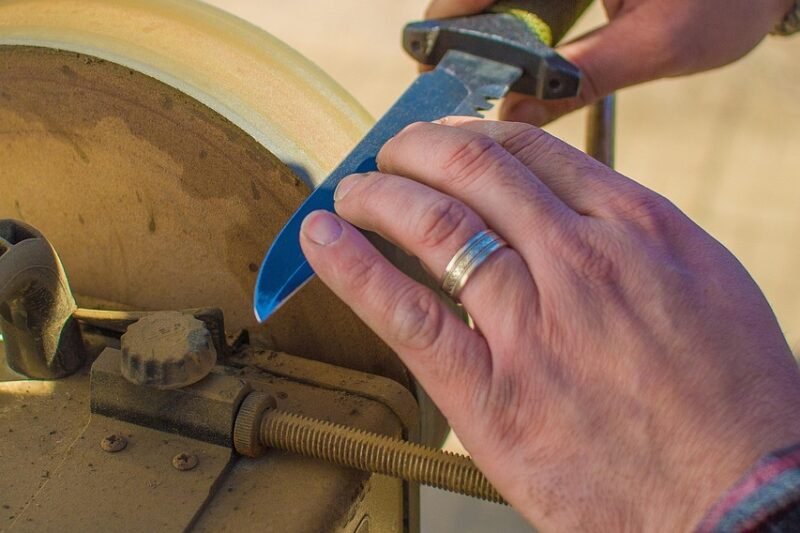
Whetstone Preparation: When it’s time for sharpening, prepare your whetstone by soaking it in water for about 10-15 minutes. This helps to lubricate the stone and prevents the blade from binding during sharpening.
Proper Angle: Hold the knife at approximately a 15 to 20-degree angle against the whetstone. Begin sharpening with light pressure, moving the blade across the stone in a sweeping motion, alternating sides to create a symmetrical edge.
Final Edge Polishing: After achieving a keen edge, use a finer whetstone or a strop to polish the blade. This final step not only sharpens the knife but also enhances its look.
Understanding Materials and Maintenance
High-Carbon Steel vs. Stainless Steel: Care for your Gyuto knife may differ slightly based on the material. High-carbon steel knives require diligent cleaning and drying to avoid rust. On the other hand, stainless steel versions may require less maintenance but still benefit from regular care.
Handle Materials: The handle of your Gyuto knife may be made from various materials, including wood, resin, or plastic. Wooden handles may need periodic oiling to prevent drying and cracking, while synthetic handles are generally more resistant to moisture and do not require as much maintenance.
Avoiding Corrosive Foods: When using your Gyuto knife, be mindful of acidic foods such as tomatoes and citrus fruits, which can cause discoloration or damage to the blade. Clean the knife immediately after cutting these foods to minimize potential corrosion.
Safety Tips
Knife Handling: Always handle your Gyuto knife with care. Use a cutting board and avoid cutting on hard surfaces like glass or stone that can dull the blade.
Cutting Techniques: Employ the appropriate cutting techniques that complement the functionality of your Gyuto knife. A proper grip and cutting motion will result in better control, reducing the risk of accidents.
Children and Safety: If you have children in the house, ensure your Gyuto knife is stored securely out of reach, or consider using a lockable cabinet for storage.
Stay Aware: Be conscious of where your fingers are positioned while cutting, and take your time to avoid slips and cuts.
Regular Inspections
Visual Checks: Regularly inspect your knife for any signs of damage, such as chips in the blade or loosened handles. Early repairs can prevent more significant issues later on.
Rust Checks: Pay particular attention to the blade for signs of rust or corrosion. If you notice any, clean the area with oil and a soft cloth to recondition the metal.
Professional Maintenance: Consider seeking professional maintenance for your Gyuto knife occasionally. Professional sharpeners can refine the blade and repair any damage that may be difficult to address at home.
Conclusion
Caring for your Gyuto knife involves a blend of regular cleaning, proper storage, timely sharpening, and material-specific maintenance. By following these guidelines, you can preserve the functionality and beauty of your Gyuto knife, ensuring it remains a trusted tool in your culinary adventures for many years to come. Attention to detail in handling and maintaining your knife will enhance not only its performance but also your overall cooking experience.