


The Evolution of Culinary Tools
Culinary tools have a rich history dating back thousands of years; however, the evolution of knife design has been particularly remarkable. With the advent of new technologies, materials, and ergonomic principles, innovative knife designs are at the forefront of culinary advancements. The interplay between tradition and modernity has led to the emergence of cutting-edge knives that enhance efficiency, safety, sustainability, and aesthetics in the kitchen.
Materials that Matter

The choice of materials is crucial in the construction of innovative knives. Traditional steel blades are being complemented or replaced by high-performance materials such as:
Damascus Steel: Known for its striking patterns and resilience, Damascus steel features layers of different metals, offering both aesthetic appeal and durability. Kitchen tools crafted from this material often provide superior sharpness and edge retention.
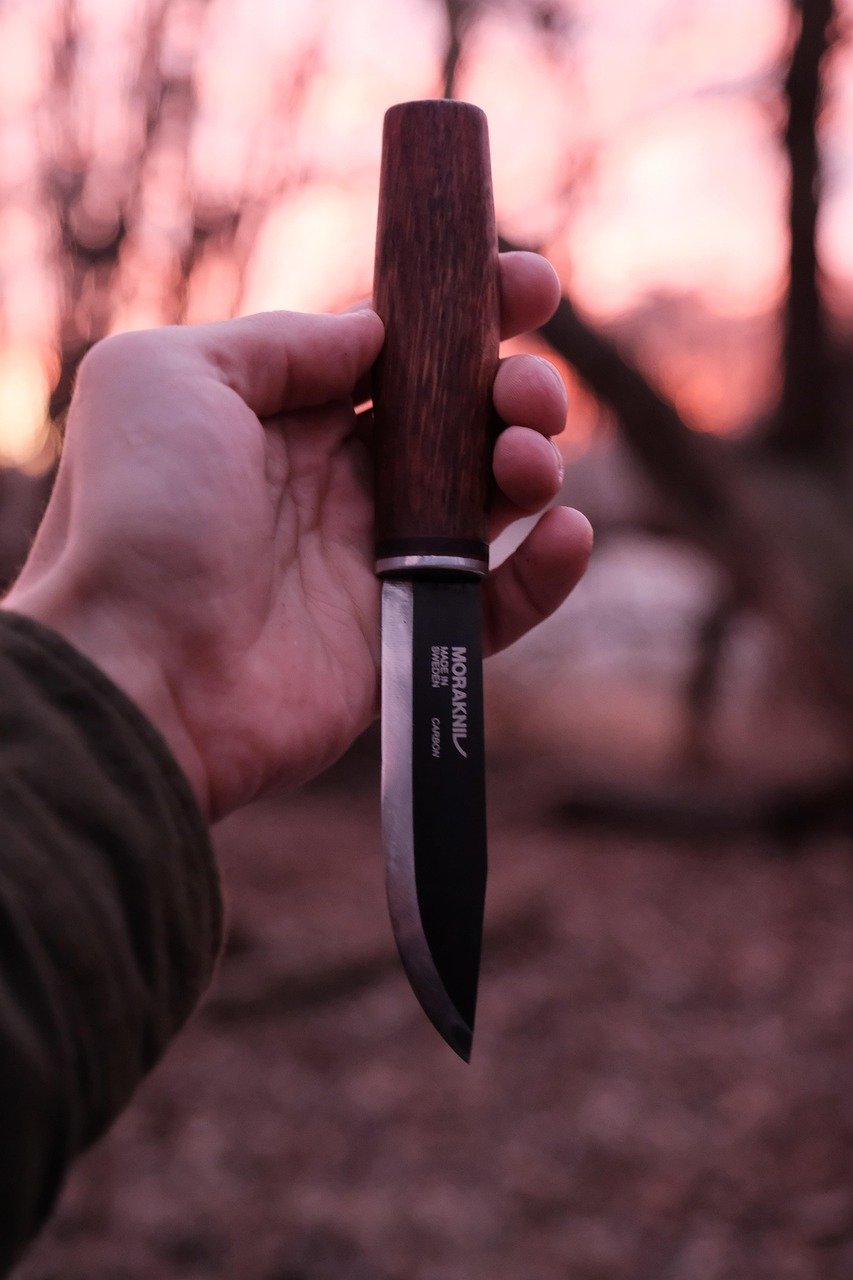
Carbon Steel: This material offers exceptional sharpness, which renowned chefs favor for its ability to maintain a fine edge with minimal sharpening. However, it requires proper maintenance to prevent rust, making it a choice for dedicated cooks.
Ceramic Blades: Lightweight and exceptionally sharp, ceramic blades are resistant to corrosion and do not react with food. They maintain their sharpness for longer than traditional metals but can be brittle, requiring careful handling.
Titanium Coatings: Blades coated in titanium offer enhanced durability and rust resistance. This innovative solution not only improves the knife’s lifespan but also makes it visually appealing due to its modern finish.
Ergonomics and User Experience
The design of a knife extends beyond its blade. Ergonomics play a vital role in the user experience, ensuring that culinary tasks can be performed comfortably and efficiently. Key ergonomic innovations include:
Handle Designs: Many modern knives feature contoured handles or materials like G10 or Micarta, which provide a secure grip, reducing fatigue during prolonged use. Designs tailored to the hand shape can significantly impact cutting performance.
Weight Distribution: Innovative knife designs often consider weight distribution, striking a balance that feels natural and minimizes strain on the wrist. This principle allows for more precise and controlled cuts, ultimately elevating the cooking experience.
Multi-Functional Designs: Some innovative knives incorporate multiple functionalities, such as built-in sharpeners or foldable elements, which enhance usability and decrease the need for additional tools in the kitchen.
Smart Knife Technology
The integration of technology into kitchen tools heralds a new era in culinary innovation. Smart knives, embedded with sensors and connected to apps, offer unique features such as:
Real-Time Cutting Guides: Some smart knives provide feedback via a connected app, indicating optimal techniques, measurements, and cutting styles. This feature is particularly beneficial for novice chefs or those experimenting with new culinary techniques.
Temperature Sensors: High-end knives equipped with temperature sensors can help in precise cooking, alerting chefs if certain ingredients require specific temperature profiles during preparation.
Recipe Integration: IoT-enabled knives can sync with smart kitchen devices, allowing cooks to access recipes and cooking times straightforwardly, making the cooking process more cohesive.
Sustainability in Knife Design
With growing awareness around environmental issues, knife manufacturers are increasingly focusing on sustainability. Innovations in this area include:
Recycled Materials: Some brands now utilize recycled metals and bio-based composites in their knife construction, reducing waste and environmental impact while maintaining quality.
Sustainable Wood: Handles crafted from sustainably sourced woods contribute to both aesthetic appeal and environmental responsibility. Tools made of responsibly harvested materials cater to eco-conscious consumers.
Longevity Over Disposability: Innovations emphasizing durability and ease of repair reflect a shift towards longer-lasting kitchen tools. Traditional knives are often designed for sharpening, allowing them to be used for generations rather than being disposed of after a short lifespan.
Aesthetic Innovations
As much as functionality is essential, the visual appeal of a knife has become increasingly significant. Knife manufacturers are not only focusing on utility but also prioritize aesthetics:
Custom Finishes: Personalized finishes, such as unique color treatments or etched patterns, add individuality to kitchen tools, making them as much a statement piece as an essential cooking instrument.
Artistic Blade Shapes: Contemporary knives often feature unconventional blade shapes that enhance performance while standing out in the kitchen environment. These artistic designs cater to both culinary function and visual enjoyment.
Specialization: Knives for Every Purpose
With advancements in culinary arts, specialized knife designs are a growing trend. Chefs now demand tools tailored to specific tasks:
Santoku Knives: Originating from Japan, Santoku knives are designed for versatility, handling slicing, dicing, and mincing tasks with ease. The innovative hollow edge prevents food from sticking to the blade, enhancing efficiency.
Fillet Knives: Thin, flexible blades designed specifically for filleting fish enable precise cuts. The latest designs incorporate features for optimal control and comfort, ensuring safety during preparation.
Chef’s Knives with Modular Features: Innovative designs now allow for customization of chef’s knives, where chefs can interchange blades or handles based on their cooking style and comfort level.
The Future of Culinary Tools
Innovative knife designs represent a fusion of tradition, technology, and sustainability, promising an exciting future for culinary tools. As manufacturers continue to experiment with new materials, ergonomic principles, and functional upgrades, the evolution of kitchen knives is set to enhance the culinary experience. Chefs and home cooks alike can look forward to tools that not only make food preparation more enjoyable but also reflect a commitment to quality and environmental consciousness. The culinary landscape is on the brink of a revolution, with knives that are smarter, more efficient, and tailored to individual culinary journeys. In this dynamic setting, the humble kitchen knife transforms from a simple tool into an essential partner in the creative process of cooking.