



Knife Care 101: How to Maintain Your Blades

Knife care is an essential skill for any culinary enthusiast or outdoor adventurer. Proper maintenance not only ensures peak performance but also extends the lifespan of your blades. This guide covers everything from cleaning and sharpening to proper storage, empowering you to take the best care of your knives.
Understanding Your Knife

Before diving into maintenance techniques, it’s crucial to understand the different types of knives and their uses. Common categories include:
- Chef’s Knife: A versatile tool for slicing, dicing, and chopping.
- Paring Knife: Ideal for intricate tasks and peeling.
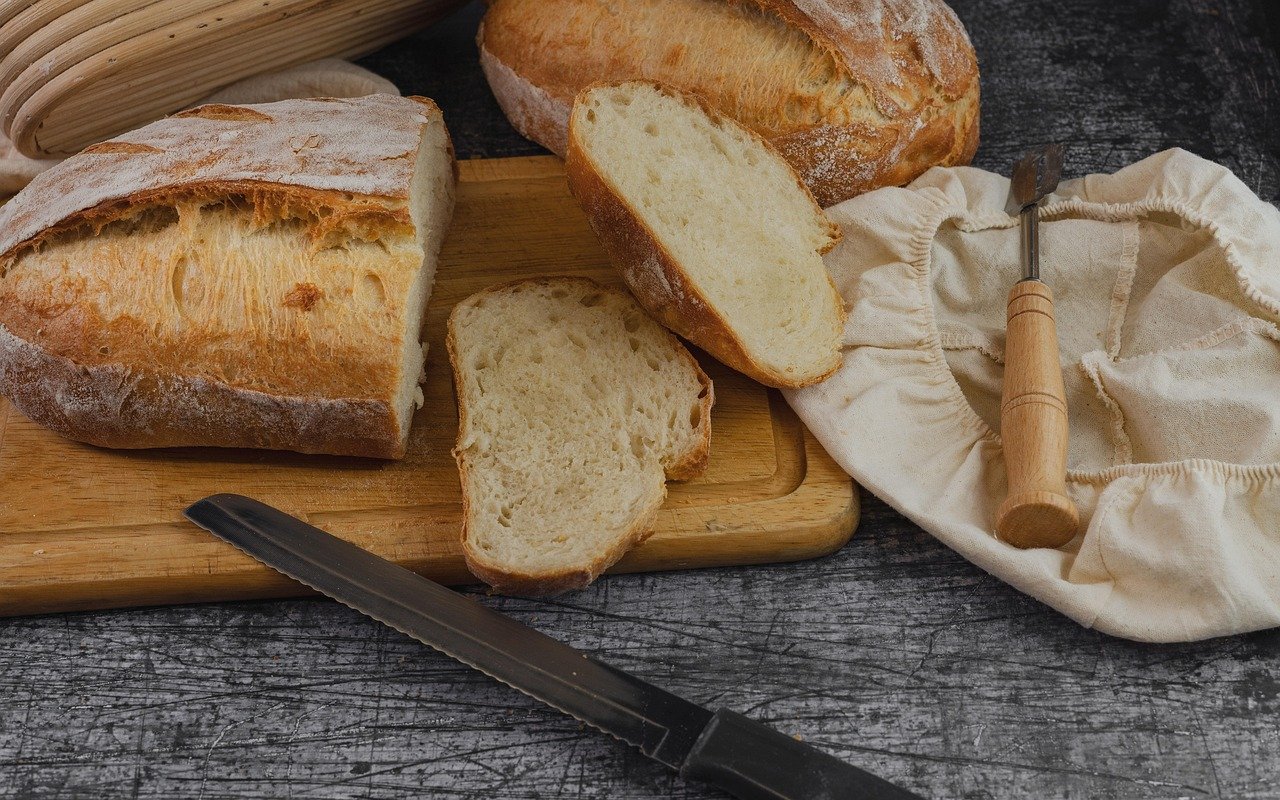
- Bread Knife: Designed with serrated edges to cut through crusty loaves without squishing them.
- Fillet Knife: Flexible and thin for precise cuts in fish.
- Utility Knife: A medium-sized knife for various tasks.
Each knife requires tailored care based on its design and materials.
Cleaning Your Knives
Immediate Rinse and Wipe: After each use, rinse your knife under warm water to prevent residue buildup. Avoid soaking knives as prolonged exposure can dull their blades and damage the handle.
Use Mild Detergent: For a thorough clean, apply mild dish soap with a soft sponge. Avoid abrasive materials that can scratch or dull the surface.
Drying: Always pat your knives dry with a soft cloth immediately after washing. Prolonged water contact can lead to rust, particularly with carbon steel blades.
Avoid the Dishwasher: The high heat and harsh detergents in dishwashers can damage your knife’s edge as well as any wooden handles. Hand washing is always the best approach.
Sharpening Techniques
Keeping your knife sharp is vital for safety and effectiveness. A dull knife is more dangerous as it requires more force during cutting, increasing the risk of slipping.
Types of Sharpeners:
- Whetstone: Provides a traditional method ideal for achieving a razor-sharp edge.
- Diamond Stone: Efficient for harder steel knives.
- Honing Rod: Maintains the edge between sharpenings but does not actually sharpen.
- Electric Sharpener: Offers convenience but can sometimes remove more metal than necessary.
Sharpening Process:
- First, choose a whetstone with coarse (for dull blades) and fine (for finishing) grits.
- Soak the whetstone in water for about 10-15 minutes before sharpening.
- Hold the knife at a 15-20 degree angle against the stone and push it forward in sweeping motions across the stone. Repeat this process for several strokes, alternating sides.
- Finish with the fine grit to polish the edge.
Honing: Use a honing rod regularly to realign the blade edge. Hold the rod vertically and glide the knife down, maintaining a consistent angle. Repeat on both sides.
Storage Solutions
Proper storage protects your knives and ensures they maintain their sharpness. Here are optimal storage options:
Knife Block: A wooden knife block protects the blades from damage and keeps them organized. Ensure the block has designated slots for different knife sizes.
Magnetic Strip: A magnetic strip mounted on a wall allows for easy access and visibility, while keeping blades safely stored.
Knife Rolls: Ideal for chefs on the go, knife rolls protect blades while facilitating portability. Opt for rolls with individual slots to prevent contact between knives.
Blade Guards: If using drawers, consider plastic or rubber blade guards to shield the edges from dulling and protect fingers from cuts.
Regular Maintenance Tips
Inspect Your Knives: Regularly check for chips, cracks, or rust. Address any issues as soon as possible to avoid further damage.
Wash Handles Appropriately: Wooden handles require special care. Use a damp cloth to clean them and treat them with food-safe mineral oil periodically to prevent drying.
Avoid Cutting on Hard Surfaces: Always use wooden or plastic cutting boards. Cutting on glass, stone, or metal surfaces can dull edges rapidly.
Use the Right Tool for the Job: Using the appropriate knife for specific tasks reduces wear and improves cutting efficiency.
Specialized Knives
For specialized knives, such as Japanese or high-carbon steel knives, additional care may be necessary.
Japanese Knives: These often require more delicate handling. Regularly wipe the blade with a damp cloth to prevent moisture damage. Additionally, avoid using them on frozen or hard items.
High-Carbon Steel: Prone to rusting, high-carbon steel knives must be dried immediately after washing. Consider storing them in a dry place and applying mineral oil to the blade periodically.
Troubleshooting Common Issues
Rust Formation: If rust appears, create a paste using baking soda and water, scrub with a soft cloth, and rinse thoroughly.
Chipped Edge: If your knife obtains a chip, use a sharpening stone to grind back to a uniform edge.
Loose Handles: For knives with wooden handles, ensure the rivets are tight. If they become loose, consider professional repair.
Stains on Blade: Use a mild abrasive cleaner mixed with water for stubborn stains, followed by thorough rinsing and drying.
By adhering to these practices, you will maintain your blades in tip-top shape, ensuring they serve you well for years to come. Implementing proper knife care routines not only enhances performance but also fosters a deeper appreciation for these essential kitchen tools. Enjoy the art of cooking with well-maintained, sharp knives ready to assist you in all your culinary endeavors.