



Understanding Knife Types

Before delving into safety tips, it’s essential to understand the various types of knives commonly used in kitchens. Each knife is designed for specific tasks, and knowing their functions can help prevent accidents. Common knife types include:
- Chef’s Knife: A versatile knife suitable for chopping, slicing, and dicing.
- Paring Knife: Ideal for peeling fruits and vegetables, its small size offers precision.
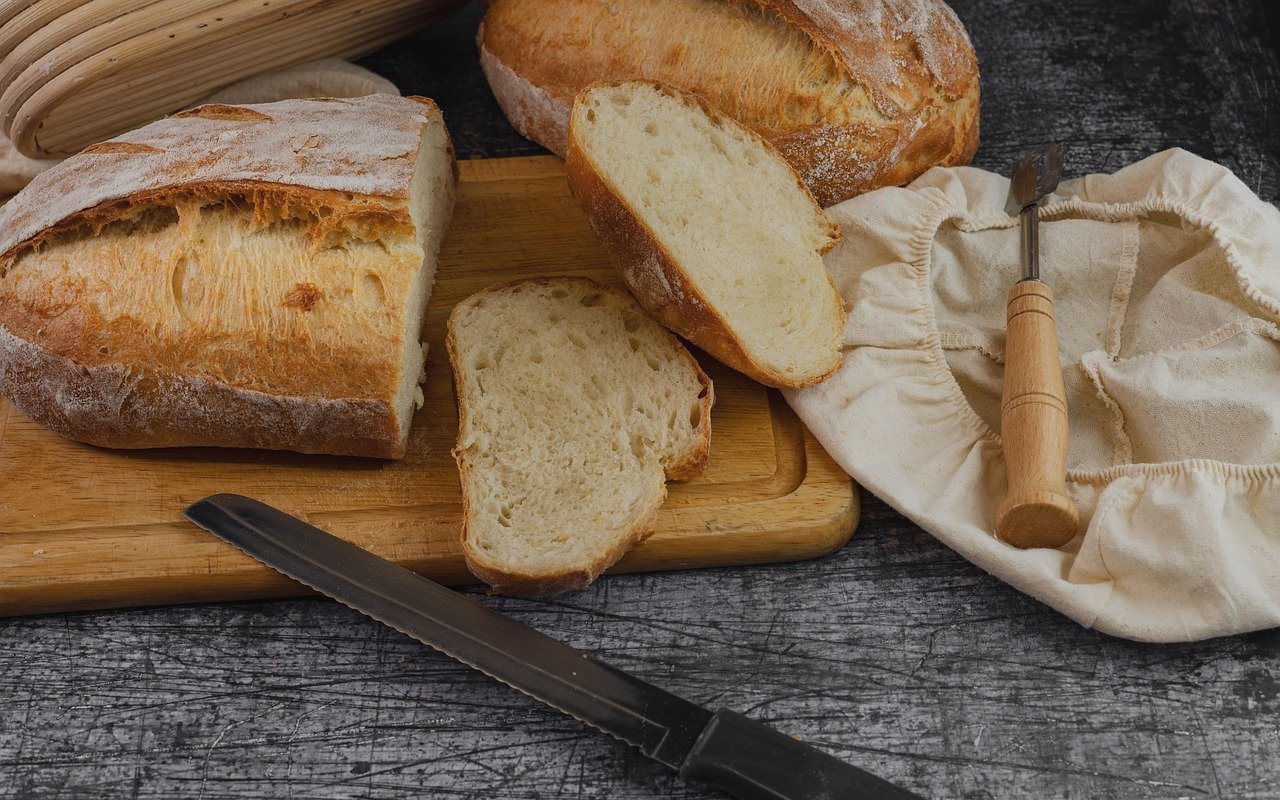
- Bread Knife: A serrated edge helps in cutting through crusty loaves without squishing.
- Utility Knife: A medium-sized knife, useful for various tasks including slicing sandwiches.

Familiarize yourself with these tools and handle them according to their intended purpose.
The Right Environment
Creating a safe workspace is crucial for knife safety. Here are key considerations:
- Clean and Dry Surfaces: Ensure all surfaces where knives will be used are clean and dry. Slippery surfaces increase the risk of accidents.
- Proper Lighting: Good lighting is essential for seeing what you’re cutting and keeping track of your hands and fingers.
- Minimal Distractions: Keep the kitchen free from distractions. Avoid multitasking when using knives to maintain focus.
Proper Grip Techniques
The way you hold a knife significantly impacts control and safety.
- Pinch Grip: Pinch the blade just above the handle with your thumb and forefinger while wrapping your remaining fingers around the handle. This grip allows for better balance and control.
- Handle Grip: For smaller, lighter knives, a standard grip is sufficient. Hold the handle firmly with your dominant hand while keeping your other hand near the cutting area for assistance.
Familiarizing yourself with proper grip techniques can prevent slips and ensure accurate cuts.
Cutting Techniques
Adopting the right cutting techniques is not only essential for safety but also improves efficiency.
- Chopping: Use a stable cutting board, and keep your non-dominant hand in a ‘claw grip’ with fingertips tucked under. This technique helps avoid accidental cuts.
- Slicing: Use smooth, even strokes with a sharp knife. Applying too much pressure might result in loss of control.
- Dicing: Cut into strips first before turning and slicing crosswise. Ensure your knife is sharp to prevent slipping.
Knife Maintenance
A well-maintained knife is safer and more effective. Follow these maintenance tips:
- Keep Knives Sharp: Dull knives require more force and can slip easily. Regularly sharpen your knives to maintain their effectiveness.
- Hand Wash Only: Avoid the dishwasher, which can dull the blade and damage the knife. Instead, hand wash with mild soap and dry immediately.
- Check for Damage: Regularly inspect your knives for chips or cracks. If damage is present, it’s important to replace or repair the knife.
Safe Storage Practices
Proper storage of knives is critical. Here are a few methods:
- Knife Block: Use a designated knife block with slots for each knife. This keeps blades protected and easily accessible.
- Magnetic Strip: Wall-mounted magnetic strips are great for saving counter space and displaying knives securely.
- In-drawer Knife Organizer: If counter space is limited, a drawer organizer can keep knives neatly arranged and out of reach from children.
Keeping Children Safe
When children are involved in kitchen activities, extra precautions are necessary.
- Age Appropriateness: Introduce knives to children suitable for their age. Teaching them about safer alternatives can reduce risks.
- Supervision: Always supervise children when they are in the kitchen, especially if they are using knives.
- Teach Respect for Knives: Instill the importance of knife safety from an early age. Explain why knives need to be handled carefully.
Safe Knife Usage
Using knives in a safe manner is non-negotiable. Here are important practices to apply:
- Always Cut Away from Your Body: This minimizes the risk of self-inflicted injuries and ensures a safer cutting environment.
- Use a Stable Cutting Board: A damp cloth beneath your cutting board can prevent slipping while cutting.
- Never Try to Catch a Falling Knife: If a knife slips, step back and let it fall — attempting to catch it poses a serious injury risk.
- Don’t Overreach: When cutting or slicing, ensure your body is positioned safely, avoid stretching to reach far areas.
Handling Injuries
Even with preventive measures, accidents can happen. Knowing how to handle knife injuries can mitigate harm:
- Minor Cuts: For small cuts, rinse the area with water, apply an antiseptic, and cover with a bandage.
- Severe Cuts: If the bleeding is heavy or the injury seems serious, apply direct pressure with a clean cloth and seek medical assistance immediately.
Understanding Knife Safety Etiquette
Cultivating a culture of knife safety etiquette among cooks is vital. Consider these practices:
- Alert Others: Always announce your presence when moving with a knife, especially if behind someone in a busy kitchen.
- Pass Safely: When handing a knife to someone else, lay it down on a surface instead of passing it directly.
- Store Immediately: After use, promptly return knives to their designated storage to prevent accidental encounters.
Conclusion
By following these knife safety tips and techniques, you can create a safer kitchen environment that promotes responsible knife handling. Awareness, practice, and respect for these essential tools will not only enhance your cooking experience but also ensure safety for everyone in the kitchen. Integrating safety into your cooking habits leads to a more enjoyable and efficient culinary journey.