



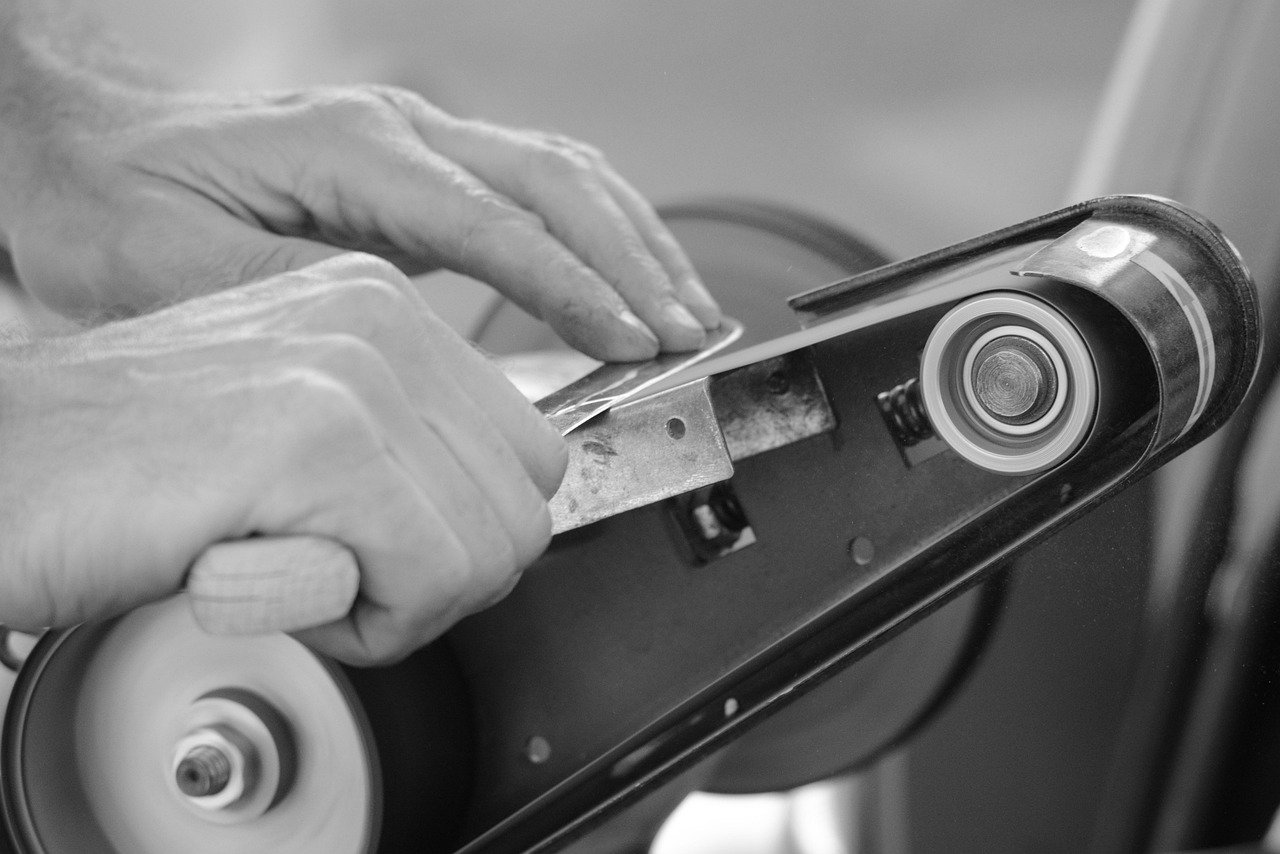
Knife Sharpener Maintenance: Tips for Longevity and Performance
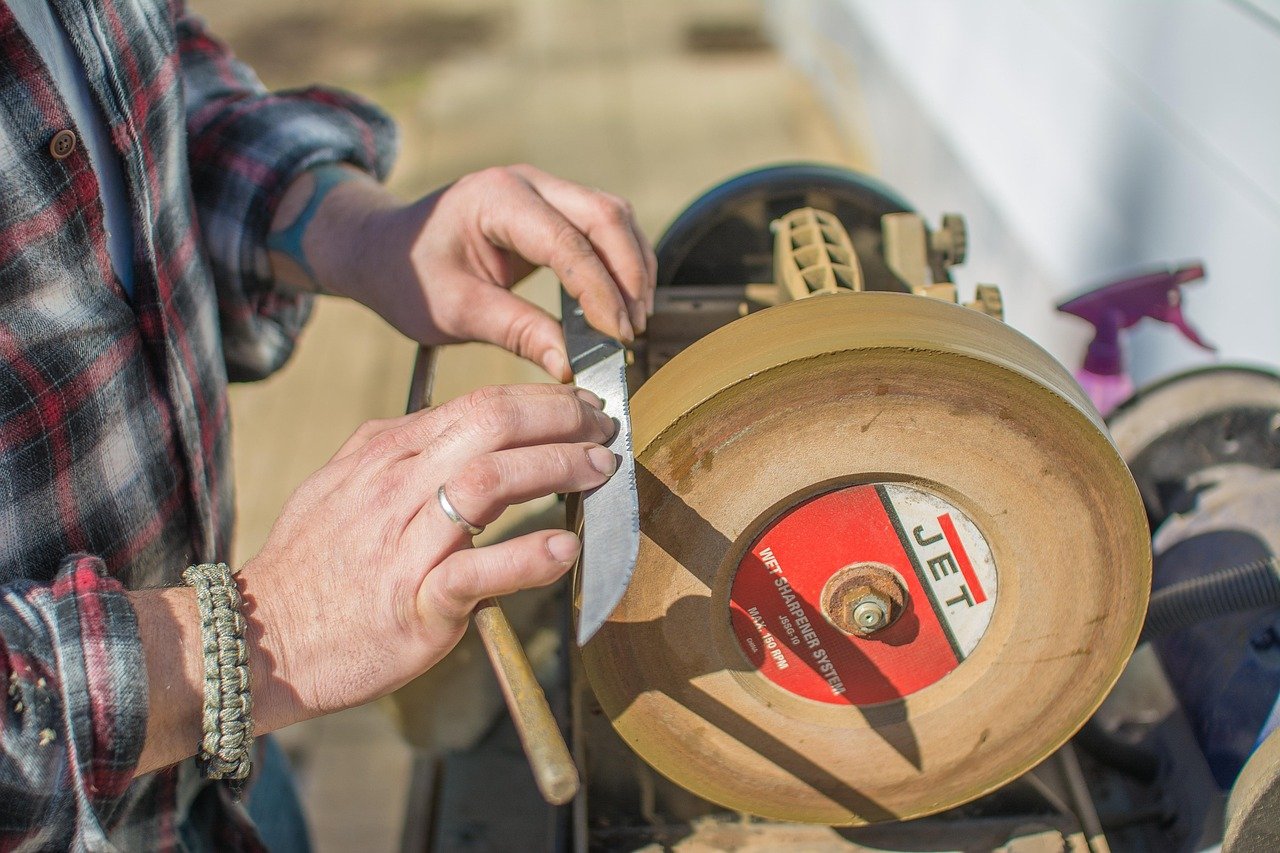
Understanding Knife Sharpeners
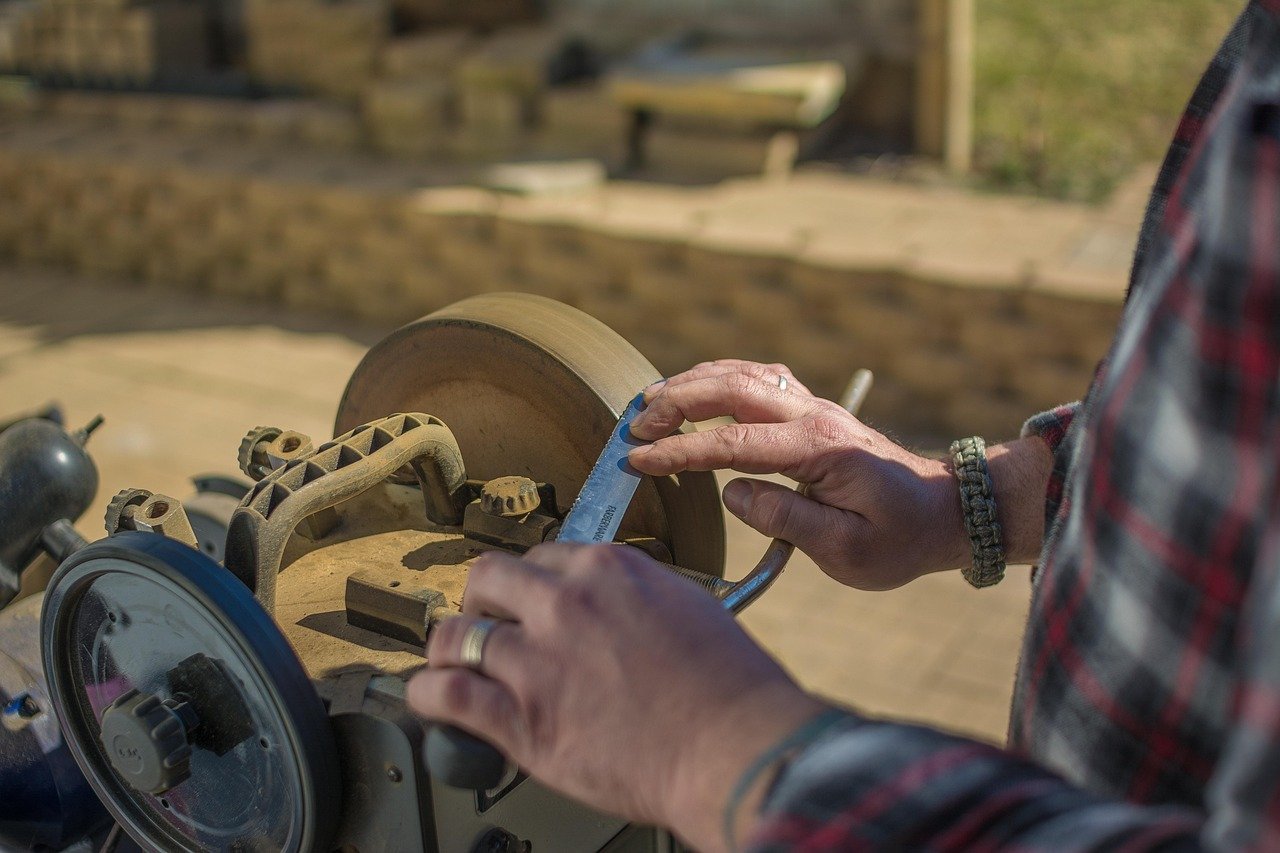
Knife sharpeners are essential tools in any kitchen, ensuring knives maintain their sharpness and efficiency. Maintaining your knife sharpener is crucial for optimal performance and longevity. Regular care can prevent costly replacements and ensure your kitchen tools stay in top condition.
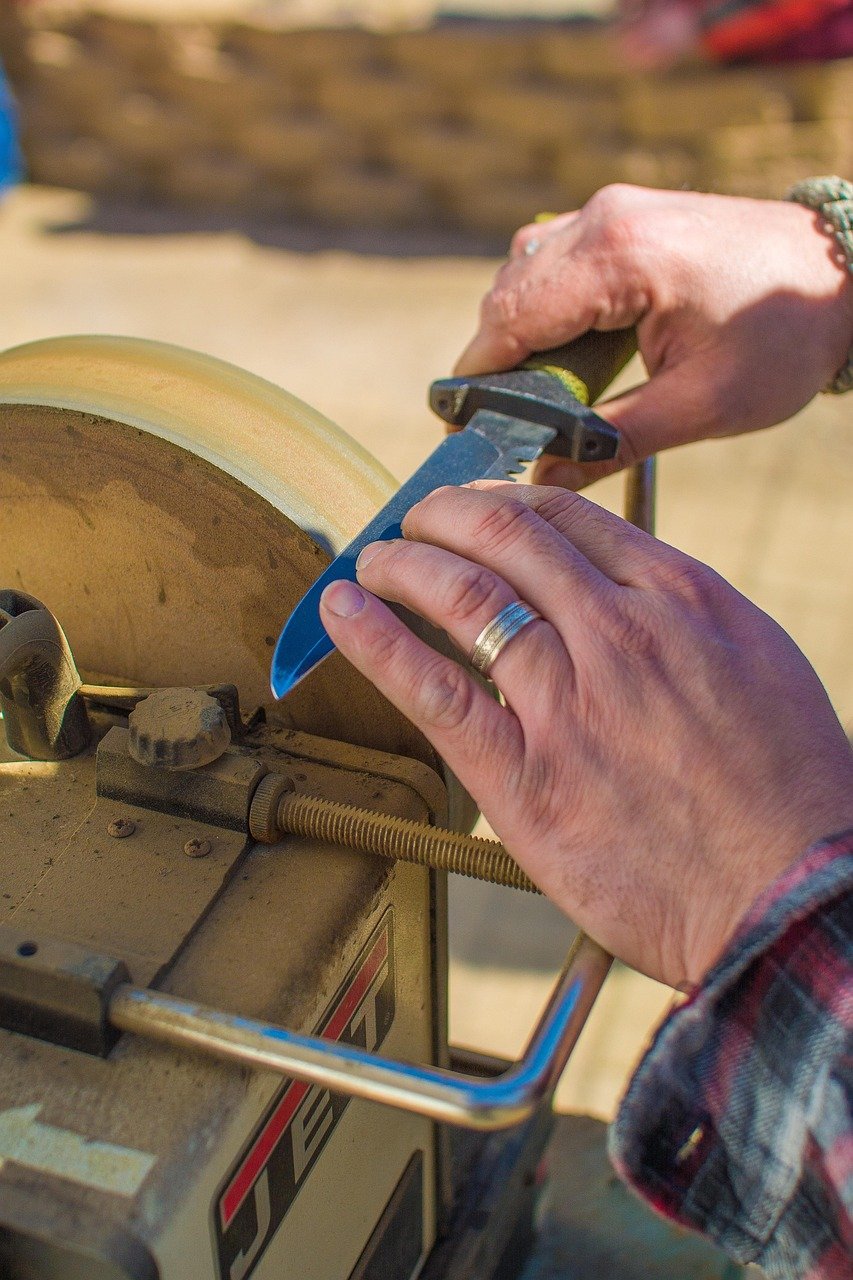
Types of Knife Sharpeners
Before delving into maintenance, it is important to understand the types of knife sharpeners available. The main categories include:
Manual Sharpeners: These include sharpening stones, steel rods, and handheld devices. They require human input and skill.
Electric Sharpeners: These offer automated sharpening, ensuring consistent results with minimal user effort but can damage some knives if not used correctly.
Pull-Through Sharpeners: Simple to use, these devices have preset angles; they can be effective but might not provide the best results for high-end knives.
Understanding the type you use impacts how you should maintain it.
General Maintenance Guidelines
No matter which type of sharpener you own, here are some universal maintenance tips:
Clean After Use: Always remove metal filings and debris after use. For manual sharpeners, a soft brush or cloth will suffice. For electric models, refer to the manufacturer’s guidelines for cleaning procedures.
Frequency of Use: Consider how often you use your sharpener. Heavy users may need to clean more frequently to maintain performance.
Avoid Excessive Force: When sharpening, let the sharpener do the work. Applying too much pressure can damage both your knives and the sharpener.
Store Properly: Store knife sharpeners in a dry, safe place. Keeping them in damp areas can lead to rust and corrosion.
Inspect Regularly: Examine the sharpening surfaces for wear. For stones, look for grooves or flat spots; for electric sharpeners, ensure the grinding wheels are intact.
Maintenance Tips by Sharpener Type
Manual Sharpeners
For manual sharpeners like whetstones and honing rods, consider the following:
Whetstones: Regularly flatten your whetstone with a diamond plate or another stone. A perfectly flat surface is essential for consistent sharpening.
Cleaning: After use, rinse your whetstone with water and dry it thoroughly. Avoid using soap, as it can leave residues that affect sharpening.
Storage: Store whetstones in a dry place, preferably in a wooden holder, to protect them from damage.
Honing Rods: Use honing rods regularly to maintain knife edges between sharpenings. Clean them with a damp cloth to remove any metal filings after each use.
Electric Sharpeners
Electric sharpeners require careful handling:
Cleaning: Unplug your electric sharpener before cleaning. Blow out any debris using compressed air. Wipe the exterior with a damp cloth, avoiding any parts that interact with the knives.
Replaceing Grinding Wheels: Each electric sharpener comes with a lifespan for its grinding wheels. Check the manufacturer’s recommendations on when to replace them and inspect them often for wear.
Usage Guidelines: Follow the manufacturer’s instructions for optimal use. Excessive sharpening can lead to blade damage.
Pull-Through Sharpeners
These appear straightforward but require some care:
Cleaning: After use, wipe the sharpening slots with a soft, dry cloth. Remove any stuck debris cautiously to avoid scratching their surfaces.
Check for Damage: Regularly inspect for any nicks or abrasions on the sharpening surfaces. Replace the device if it shows significant wear.
User Technique: Always draw the knife slowly and firmly through the sharpener without rounding the blade’s edge, as this can degrade performance.
Long-Term Care Practices
Professional Sharpening: Consider professional sharpening for high-end knives. Regular professional maintenance can extend the life of your knives and sharpeners.
Invest in Quality: Quality sharpeners, like high-grade whetstones or professional electric sharpeners, often come with better materials and longer lifespans.
Sharpening Frequency: Determine how often you need to sharpen based on your knife usage. Regular light maintenance (honing) is more beneficial than infrequent heavy sharpening.
Knife Storage: Store knives in a way that protects their edges. Use knife blocks or magnetic strips instead of drawers where they can knock against other objects.
Knowledge is Power: Take time to read and understand the instruction manual specific to your sharpener. Each product may have unique maintenance needs based on its design and build.
Conclusion
Regular maintenance of your knife sharpener keeps it functioning optimally and prolongs its life. By understanding different types of sharpeners and incorporating routine care into your kitchen practices, you can ensure that your knives perform well and remain safe to use. Engaging in these practices not only facilitates better cooking experiences but also reinforces your commitment to high-quality kitchen tools.


