


Knife Sharpener Reviews: Finding the Right Tool for Every Cook
Understanding Knife Sharpening
The importance of a sharp knife cannot be overstated in the culinary world. A sharp knife ensures safety, precision, and enjoyment in food preparation. With a variety of knife sharpeners available, understanding the options can help cooks of all levels maintain their kitchen tools effectively.
Types of Knife Sharpeners
Manual Sharpeners
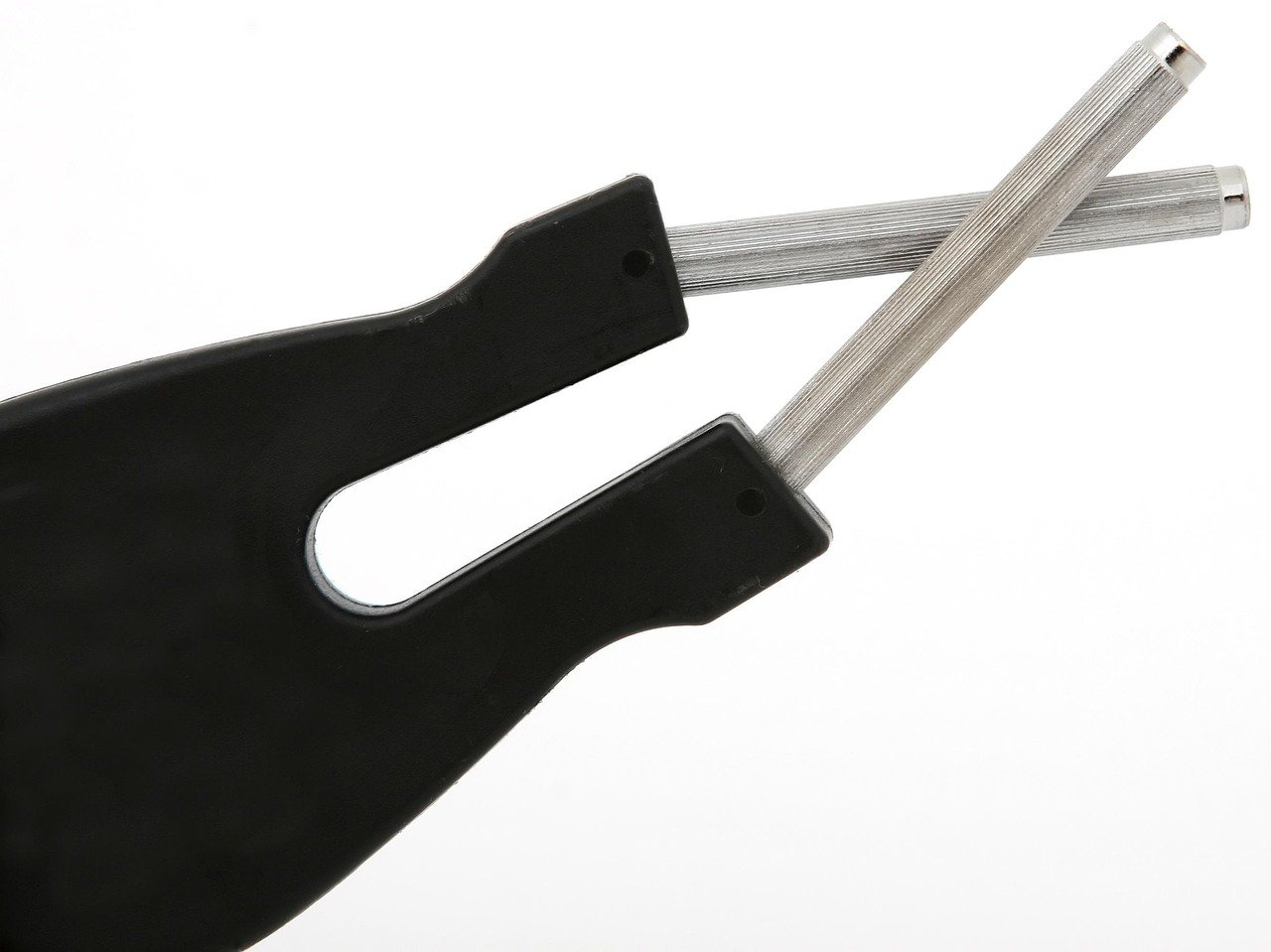
Manual sharpeners often come in two designs: handheld and those that are built into handheld devices. The most popular manual sharpeners use two slots with different grit levels. Generally, the coarse side is for sharpening, while the fine side is for honing.Pros: Portability, user control, affordability.
Cons: Requires more skill, effort, and time to achieve an ideal edge.
Product Highlight: Wüsthof Precision Edge 2 Stage Knife Sharpener
Designed for use with Wüsthof knives, this manual sharpener offers both coarse and fine slots. The ergonomically designed handle ensures easy grip, making it a favorite for those who prefer manual sharpening.
Electric Sharpeners
Electric sharpeners are often the choice for busy kitchens or home cooks who want efficiency. They usually vary in edge angles and employ multiple sharpening stages.Pros: Fast, consistent results, minimal effort required.
Cons: Higher price point, less control over sharpening angle.
Product Highlight: Chef’s Choice 1520 AngleSelect Electric Knife Sharpener
This model features diamond abrasives and offers three different sharpening stages, accommodating various knives. Its patented system ensures the perfect edge angle for European and American knife styles.
Whetstones
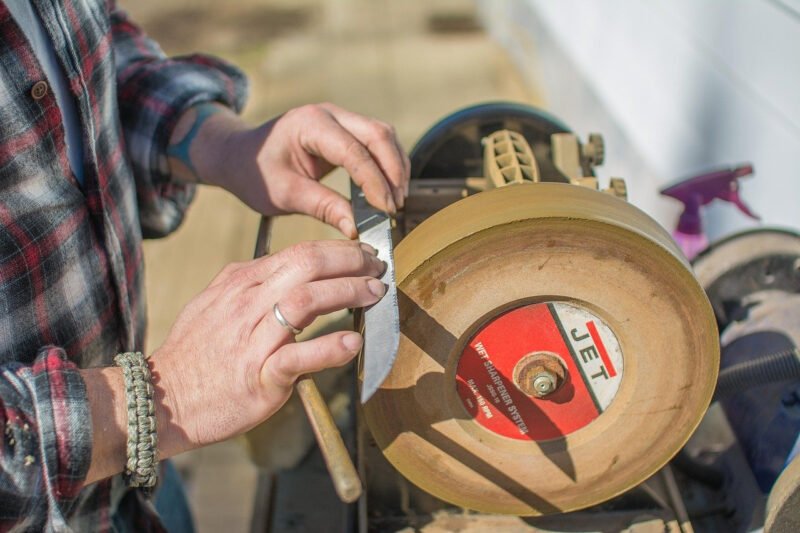
Whetstones or sharpening stones are preferred by professional chefs who seek the utmost control in the sharpening process. These stones come in various grits, allowing cooks to build a complete sharpening regimen.Pros: Superior edge quality, customizable sharpening approach.
Cons: Requires practice, can be messy.
Product Highlight: King KW-65 Whetstone
This Japanese whetstone is double-sided, offering both coarse and fine grits. Its high-quality construction allows for excellent results when utilized properly. It can be used dry or soaked for better performance.
Honing Rods
Although not a sharpener in the traditional sense, honing rods are essential for maintaining a sharp edge between uses. These rods align the blade’s edge, preventing fold over and maintaining sharpness.Pros: Great for touch-ups, easy to use.
Cons: Does not sharpen dull knives.
Product Highlight: Mac Knife Honing Rod
This honing rod is made from high-quality materials, designed explicitly to maintain the edges of high-performance knives. Its comfortable grip and precise alignment capabilities make it a must-have for seasoned chefs.
Factors to Consider When Choosing a Knife Sharpener
Knife Type
Different knife types require specific sharpening methods. For instance, traditional Western knives typically have a 20-degree edge angle, whereas Japanese knives are often sharpened to a 15-degree angle.Skill Level
Beginners may prefer electric sharpeners or manual sharpeners with built-in guides, while experienced cooks may lean towards whetstones for their mastery over the sharpening technique.Budget
Determine how much you are willing to spend. Manual and honing sharpeners often come in at lower prices compared to electric and whetstones, which can require a larger investment but offer greater long-term benefits.Maintenance
Consider how much time you are willing to commit to maintenance. Electric sharpeners require minimal user effort but care still must be taken to maintain the machine, while whetstones require honing and conditioning.Portability
If you often travel or need to take your sharpener to various locations, consider the weight and size of your tool. Compact models or handheld designs may be more suitable for many cooks.
Top Knife Sharpeners in the Market
Work Sharp Guided Field Sharpener
For those who enjoy outdoor activities like camping and hunting, this compact tool offers versatility. With multiple abrasive options and a built-in ceramic rod for honing, it’s perfect for everyday use.Spyderco Tri-Angle Sharpener
Known for its unique design, the Spyderco sharpener boasts a three-angle system for maintaining various knife edges. Its compact size makes it travel-friendly.Bester 1200 Whetstone
This affordable and effective whetstone is ideal for both beginners and professionals. Made in Japan, it’s perfect for achieving razor-sharp edges on all knife types.Chef’sChoice 463 Pronto
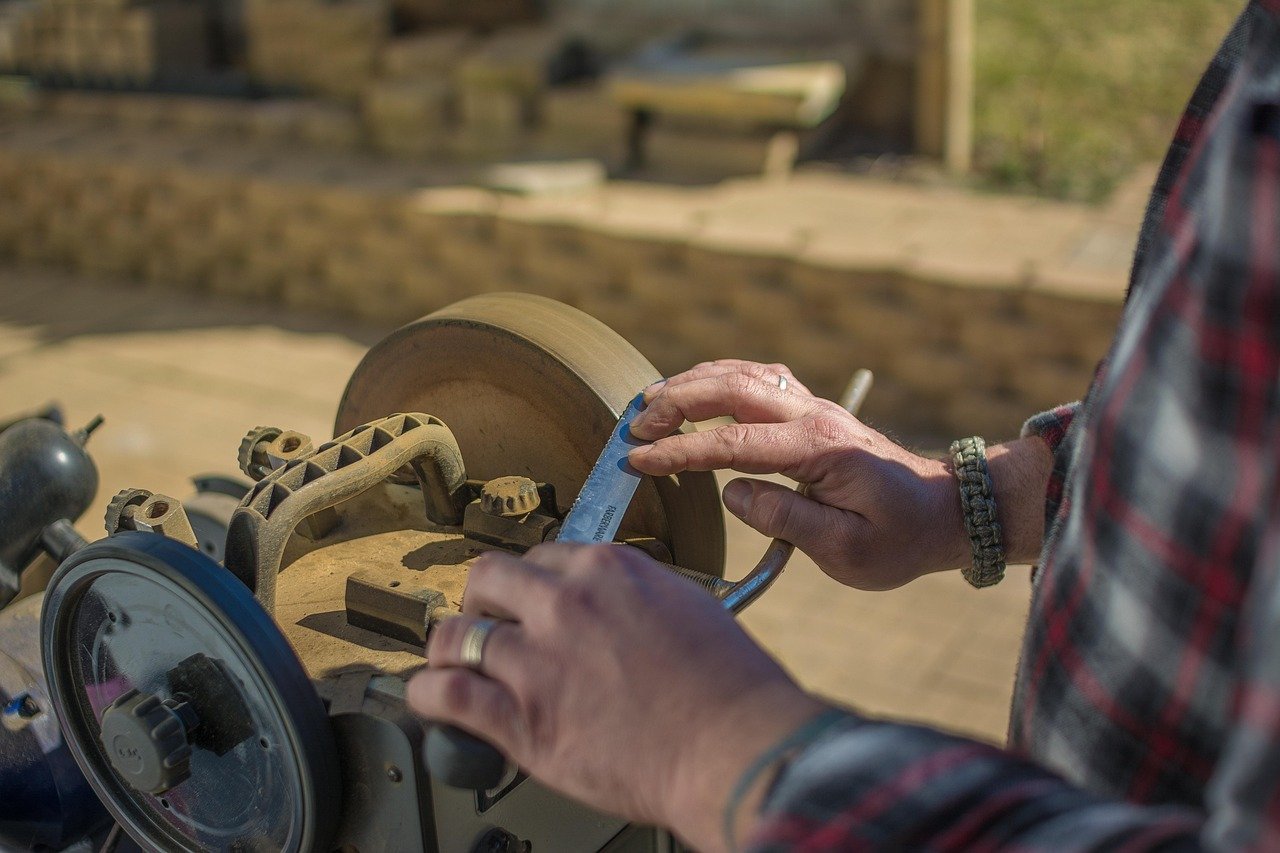
A manual sharpener that combines simplicity with efficiency, it’s designed to sharpen all types of straight-edge knives. Its user-friendly operation makes it a favorite among novice chefs.Tormek T-8 Water Cooled Sharpening System
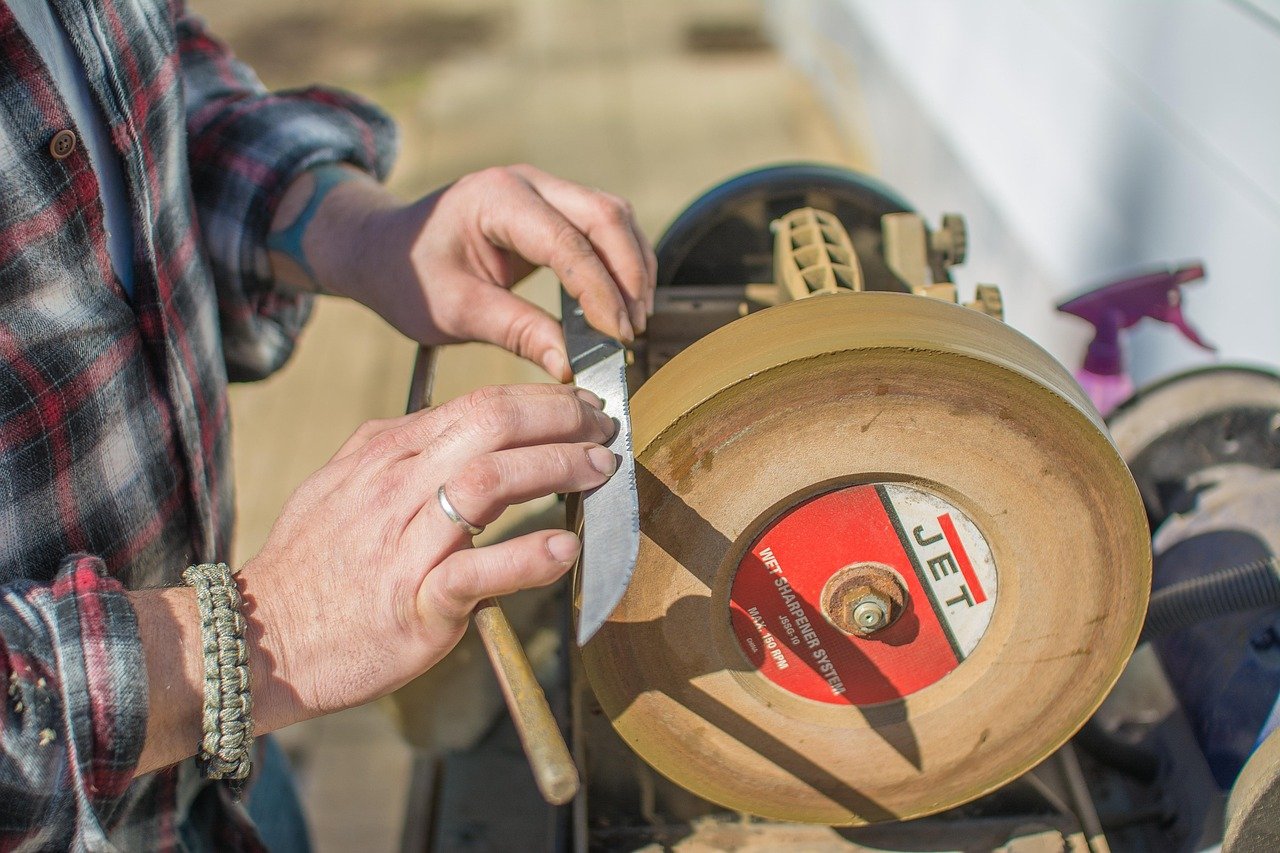
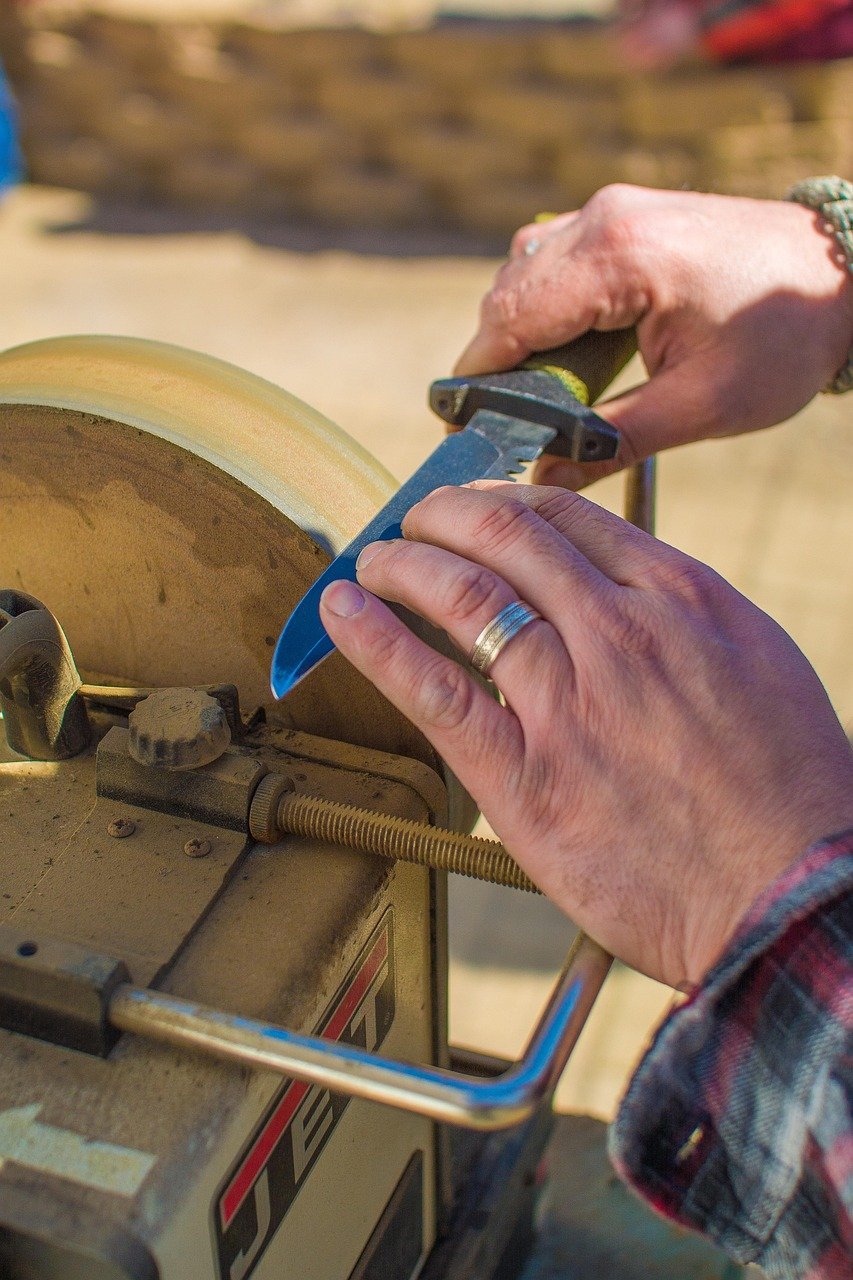
For serious cooks who want a comprehensive sharpening solution, Tormek’s system is unparalleled. With water cooling technology and adjustable sharpening angles, it caters to every need and knife style.
Maintenance Tips for Knife Sharpeners
Cleaning: Regularly clean the sharpening surfaces to prevent debris build-up, which can lead to inefficient sharpening.
Storage: Store your sharpeners in a safe place, ideally in a designated box or case to prevent damage and ensure longevity.
Technique: Always follow the manufacturer’s instructions on the correct usage. Improper technique can wear down the sharpener quickly.
Frequency of Use: Determine how often you should sharpen your knives based on daily usage. High-frequency users should have a reliable sharpener on hand.
Arming yourself with the right knife sharpener can save time, enhance food preparation efficiency, and improve safety in the kitchen. Understanding the options and factors involved will ensure that any cook can find the perfect sharpener tailored to their specific needs and preferences.