


Understanding Knife Sharpening Techniques
Knife sharpening is an essential skill every home chef should master. A sharp knife not only enhances your culinary experience but also improves safety and efficiency in the kitchen. There are various techniques and tools available for sharpening knives, each with its own advantages. This article delves into the most effective knife sharpening techniques, ensuring your blades remain sharp and ready for any meal preparation.
1. The Importance of Knife Sharpening
Before exploring techniques, it’s crucial to understand why knife sharpening is necessary. A dull knife can slip or apply uneven pressure, leading to accidents and inconsistent cuts. Sharp knives preserve the integrity of food, enabling cleaner cuts and reducing the release of juices, which is particularly vital for meats and certain vegetables. Well-maintained knives also prolong their lifespan, saving you money in the long run.
2. The Anatomy of a Knife
To sharpen a knife effectively, it’s important to know its parts:
- Blade: The main cutting part.
- Edge: The blade’s sharpened part.
- Tip: The front part of the blade.
- Heel: The rear part of the blade; typically used for more forceful cuts.
- Spine: The top unsharpened edge of the knife.
Understanding these components can aid in identifying where to focus your sharpening efforts.
3. Knife Sharpening Tools
Several tools can be used for knife sharpening, each varying in skill level and results:
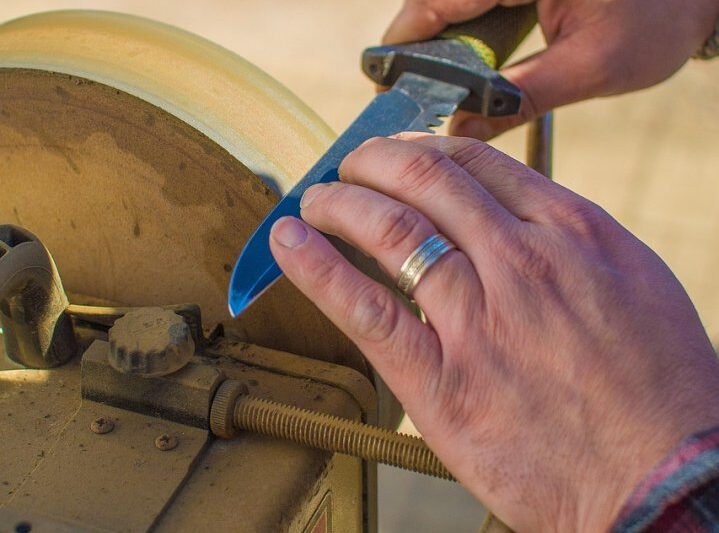
- Whetstone: A traditional method using a flat stone that can be water or oil-treated. Suitable for various knives and produces precise edges.
- Honing Rod: Primarily used for realigning the knife’s edge rather than sharpening. Great for maintaining knives between sharpenings.
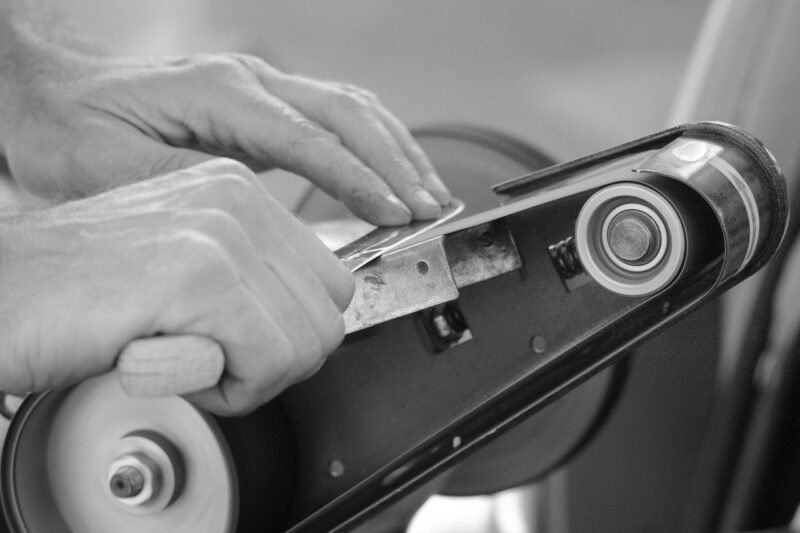
- Electric Sharpener: Provides convenience and speed. However, it can remove more material than necessary, reducing the knife’s lifespan if used excessively.
- Pull-Through Sharpener: Easy to use and suitable for novices. These devices often have two slots for coarse and fine sharpening.
4. Whetstone Sharpening Technique
For those seeking precision, using a whetstone is often favored by professionals.
Preparation:
- Immerse the whetstone in water for 10-15 minutes before sharpening.
- Choose the appropriate grit for your knife (lower numbers for repairing edges, higher for polishing).
Process:
- Position the Knife: Hold the knife at a 20-degree angle to the stone.
- First Stroke: Starting at the heel, use a sweeping motion towards the tip, applying consistent pressure. Repeat this motion 5-10 times.
- Flip and Repeat: Rotate the knife and repeat the strokes on the other side.
- Fine-tuning: Switch to the finer grit side of the whetstone and follow the same procedure for a polished edge.
- Clean and Check: Wipe the blade and check for sharpness. You want the knife to slice through paper with minimal effort.
5. Honing with a Honing Rod
While honing doesn’t sharpen a blade, it is critical for maintaining edge alignment.
Technique:
- Position the Rod: Hold the honing rod vertically with the tip on a stable surface.
- Angle the Knife: Angle your knife at 15-20 degrees to the rod.
- Honing Process: Start at the heel and pull the knife down along the rod’s length. Alternate sides, usually 5-10 strokes per side.
- Finish with a Check: Test the sharpness post-honing on a simple ingredient like a tomato.
6. Using an Electric Sharpener
Electric sharpeners are a practical option for those who want quick results.
Steps:
- Select Grit Settings: Some sharpeners offer multiple settings, so choose according to the knife’s condition.
- Insert the Knife: Place the knife in the designated slot, ensuring the handle is secure.
- Sharpening: Activate the sharpener, guiding the knife through slowly without applying excessive force. Repeat as necessary based on the sharpness achieved.
7. Pull-Through Sharpener Guidance
The pull-through sharpener is excellent for beginners and those in a hurry.
Process:
- Position the Sharpener: Place the sharpener on a stable surface.
- Insert the Knife: Place the knife in the appropriate slot.
- Pull the Knife Through: Gently pull the knife through the slots several times. Ensure you don’t rush—patience yields better results.
- Test the Sharpness: After several passes, check the knife’s sharpness with a simple cut.
8. Essential Maintenance Tips
Proper care can help maintain your knives and prolong the time between sharpening:
- Wash Properly: Avoid dishwashers; hand wash with soap and warm water and dry immediately.
- Store Wisely: Use a knife block, magnetic strip, or sheaths to prevent blade damage.
- Regular Maintenance: Hone knives regularly to keep them aligned and frequent sharpening is advisable every few months, depending on usage.
9. Frequently Asked Questions
How often should I sharpen my knife?
This largely depends on usage. For regular home cooks, sharpening once every few months is adequate, while professional chefs may sharpen weekly.
Can I sharpen ceramic knives?
Ceramic knives are more brittle and typically require specialized diamond sharpeners due to their hardness.
Is it safe to sharpen a knife at home?
Absolutely, as long as proper techniques and precautions are taken. Always use stable surfaces and keep fingers clear of the blade path.
10. Knowing When to Replace a Knife
Even with proper care, knives will eventually wear out. If you notice chips, major wear on the blade, or persistent dullness despite sharpening, it may be time to consider replacement.
Mastering knife sharpening can elevate your cooking experience. Whether using a whetstone, honing rod, electric sharpener, or pull-through device, understanding these techniques is fundamental to achieving the best results and maintaining the safety and efficiency of your kitchen preparations.
Combining these practical skills into your regular cooking routine allows you to enjoy the process of meal preparation even more, knowing you’ve got the right tools at your fingertips.