


Understanding Knife Types

Chef’s Knife
The chef’s knife is the cornerstone of any kitchen. Typically ranging from 8 to 10 inches in length, it’s versatile enough for chopping, slicing, and dicing. The blade, which usually has a broad, curved profile, allows for rocking motions—ideal for mincing herbs and garlic. Beginners will find that investing in a good quality chef’s knife enhances overall cooking efficiency.

Paring Knife
A paring knife is smaller, typically around 3 to 4 inches long, and excels in tasks requiring precision. It’s perfect for peeling fruits and vegetables, deveining shrimp, and intricate cutting. This knife is fundamental for beginners to master finer techniques, as it gives control over small, delicate ingredients.
Serrated Knife
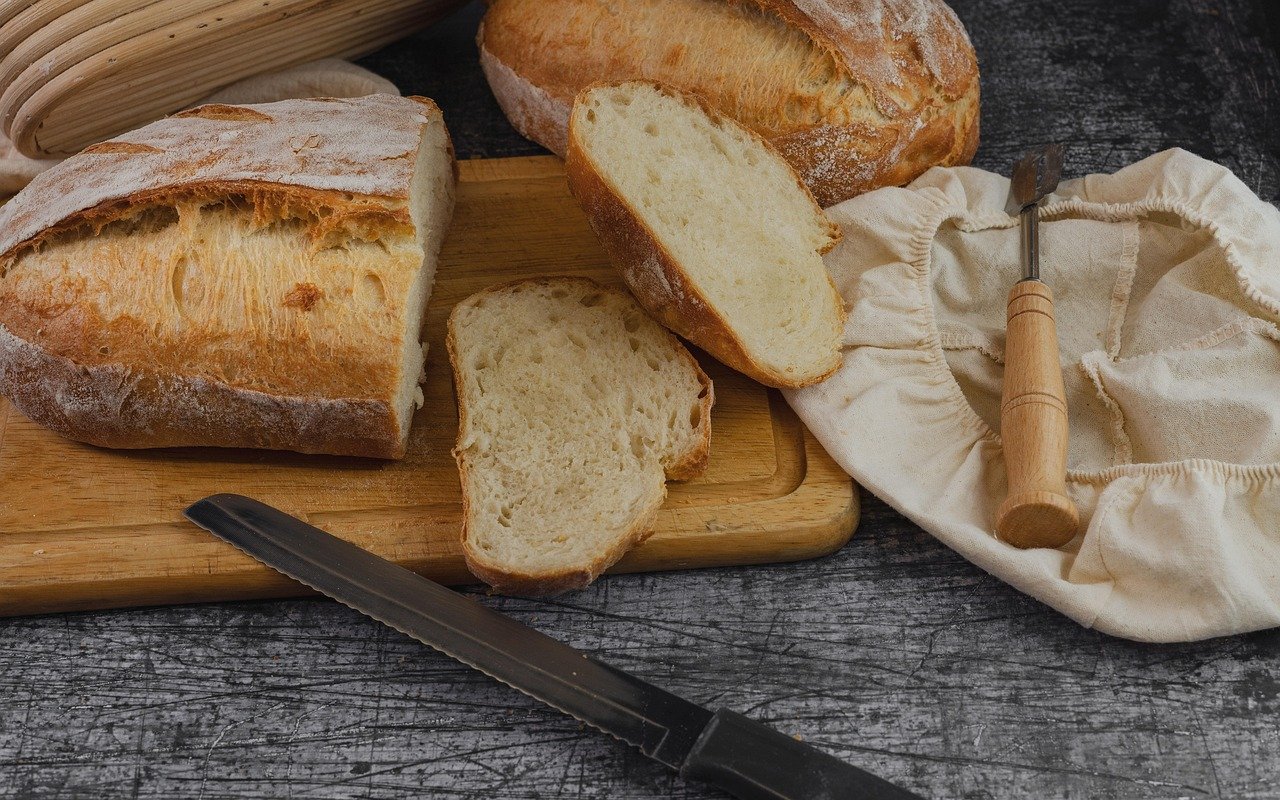
A serrated knife, often referred to as a bread knife, features a wavy edge effective for cutting through crusty bread without flattening it. This knife is also handy for slicing soft fruits like tomatoes. Beginners should use a serrated knife to understand the importance of blade types in handling various textures while cooking.
Essential Features of a Good Knife
Blade Material
Knife blades are primarily made from stainless steel, carbon steel, or ceramic. Stainless steel is rust-resistant and requires minimal maintenance, making it ideal for beginners. Carbon steel holds an edge longer but requires more care to prevent oxidation. Ceramic blades are lightweight and maintain sharpness, although they can be fragile.
Handle Comfort
A comfortable handle is crucial for prolonged use. Beginners are encouraged to opt for knives with ergonomic designs that fit well in their hand. Handles can be made from wood, plastic, or composite materials. Consider a handle that provides a secure grip to prevent accidents and improve precision while cutting.
Balance
A well-balanced knife will feel like an extension of your hand. Ensure the weight of the blade matches that of the handle. A balanced knife allows for controlled cutting movements without unnecessary strain on your wrist, especially important for beginners still developing muscle memory.
How to Care for Your Knives
Cleaning
Always hand wash your knives with mild soap and water immediately after use. Avoid putting them in the dishwasher, as high temperatures and harsh detergents can damage the blade and handle. Dry them promptly with a soft cloth to prevent moisture retention.
Sharpening
Regular sharpening helps maintain the blade’s efficiency. Beginners should invest in a quality whetstone or a knife sharpener. Learning to sharpen a knife properly can dramatically improve performance; aim for honing your knife every few uses, with deeper sharpening required periodically.
Storage
Proper storage can prolong the life of your knives. Consider using a knife block, magnetic strip, or protective sheaths. Avoid tossing them into drawers, as this can dull the blades and create safety hazards. A dedicated storage solution keeps your knives secure and easily accessible.
Safety Tips for Beginners
Cutting Technique
Use a stable cutting board to minimize slipping. Practice the claw grip: tuck your fingers under the hand holding the food, using your knuckles to guide the knife. This keeps fingers safe while allowing for precision cutting.
Mindful Movement
Always cut away from your body to reduce the risk of injury. Maintain focus while using your knife and never rush. If you feel fatigued, take a break—fatigue can compromise safety and technique.
Keep Knives Sharp
Sharp knives are safer than dull ones. A dull blade requires more force, increasing the likelihood of slipping and accidental cuts. Regularly hone and sharpen your knives, adhering to safe practices to ensure a smooth cutting experience.
Choosing the Right Knife Set
Starter Sets
Beginner knife sets typically include a chef’s knife, paring knife, and serrated knife, making them ideal for everyday cooking tasks. Look for sets from reputable brands known for quality and durability.
Individual Knives
Some beginners may prefer to invest in individual knives rather than sets. This approach allows for personalized selection tailored to specific cooking styles. Consider how often you cook and the techniques you’ll utilize most frequently.
Price vs. Quality
While budget is a consideration, prioritizing quality can lead to long-term savings. A high-quality knife, even at a higher initial investment, often outlasts cheaper options. Research brands and read reviews to identify knives that offer the best value for your needs.
Enhancing Skills as a Beginner
Practice Basic Cuts
Start by mastering basic cuts such as slices, dices, and juliennes. Practicing these techniques on various ingredients builds confidence. Gradually introduce complexities by working with different textures and shapes, allowing for a broader understanding of knife skills.
Watch Tutorials
Visual learning can significantly enhance practical skills. Numerous online platforms offer instructional videos showcasing proper knife techniques. Engage with these resources to reinforce what you learn through practice.
Cooking Classes and Workshops
Participating in a cooking class enhances your knowledge and skills under professional guidance. Many local culinary schools offer beginner workshops focused on knife skills, where you’ll receive hands-on training and advice tailored to your learning pace.
Popular Brands for Beginners
Wüsthof
Wüsthof produces high-quality German knives renowned for their durability and precision. Their knives often feature full tang designs for balance and control.
Victorinox
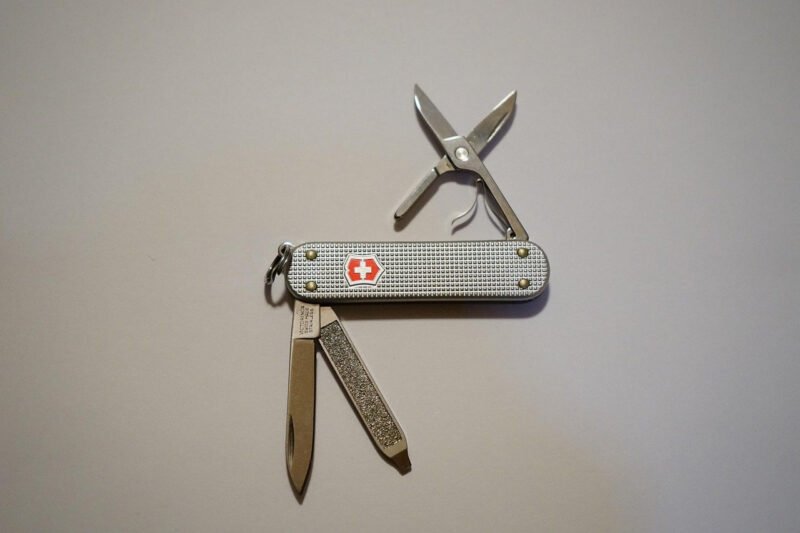
Victorinox is the brand behind the famed Swiss Army Knife, offering affordable options with reliable performance. Their fibrox handles are ergonomically designed, making them easy to grip.
Shun
Shun knives showcase Japanese craftsmanship, known for their sharpness and beautiful aesthetic. While they can be pricier, they offer incredible performance for those serious about their culinary skills.
Mercer Culinary
Mercer offers budget-friendly knives that do not compromise on quality. Ideal for beginners, they have a wide range of options, allowing new cooks to experiment without a hefty investment.
Conclusion
Whether you are experimenting with recipes or preparing meals for family and friends, selecting the right knives is crucial for enhancing your culinary experience. With the knowledge of knife types, care techniques, and safety measures, beginners can confidently embark on their cooking journey, armed with the essential tools needed for success.