


Understanding Knife Types
Knives are one of the most fundamental tools in cooking, but not all knives are created equal. The distinction between professional and home knives can significantly impact their functionality, efficiency, and overall cooking experience.
Blade Material

One major difference between professional and home knives lies in the materials used to craft the blades.
Professional Knives:
Typically, professional knives utilize high-carbon stainless steel, which provides enhanced durability, sharpness, and rust resistance. High-quality professional knives may also use materials like VG-10 or S30V steel that offer superior edge retention and easy sharpening. These materials ensure that the knife stands up to heavy daily use in busy kitchens.
Home Knives:
Home knives, on the other hand, generally use lower-grade stainless steels that may not hold an edge as long or be as easy to sharpen. These knives often prioritize cost over performance. Although they may be sufficient for casual use, they can become dull quickly with frequent cutting.
Design and Ergonomics
The design of professional knives is tailored for optimum comfort and performance.
Professional Knives:
They often feature a full tang—a single piece of metal that extends through the handle—which creates better balance and control. Handles made from materials like Pakkawood or synthetic composites provide a non-slip grip, which is crucial when handling food in a high-paced environment. Slice and chop with precision thanks to well-thought-out ergonomics.
Home Knives:
Conversely, home knives may focus on aesthetic appeal rather than ergonomics. Handles might be shorter and not designed for extensive use, leading to discomfort during repeated chopping tasks. Moreover, the lack of weight and balance may impede effectiveness, making them less efficient for intricate cuts.
Blade Shapes and Styles
Different cooking tasks demand various knife shapes and styles.
Professional Knives:
Chefs often have a full set of specific knives such as chef’s knives, paring knives, and boning knives, each designed for particular tasks. For instance, the blade for a chef’s knife is typically around 8 inches long, with a curved edge that facilitates rocking motions while chopping. Other specialized knives like offset serrated knives serve distinct functions, allowing chefs to tackle a range of ingredients effortlessly.
Home Knives:
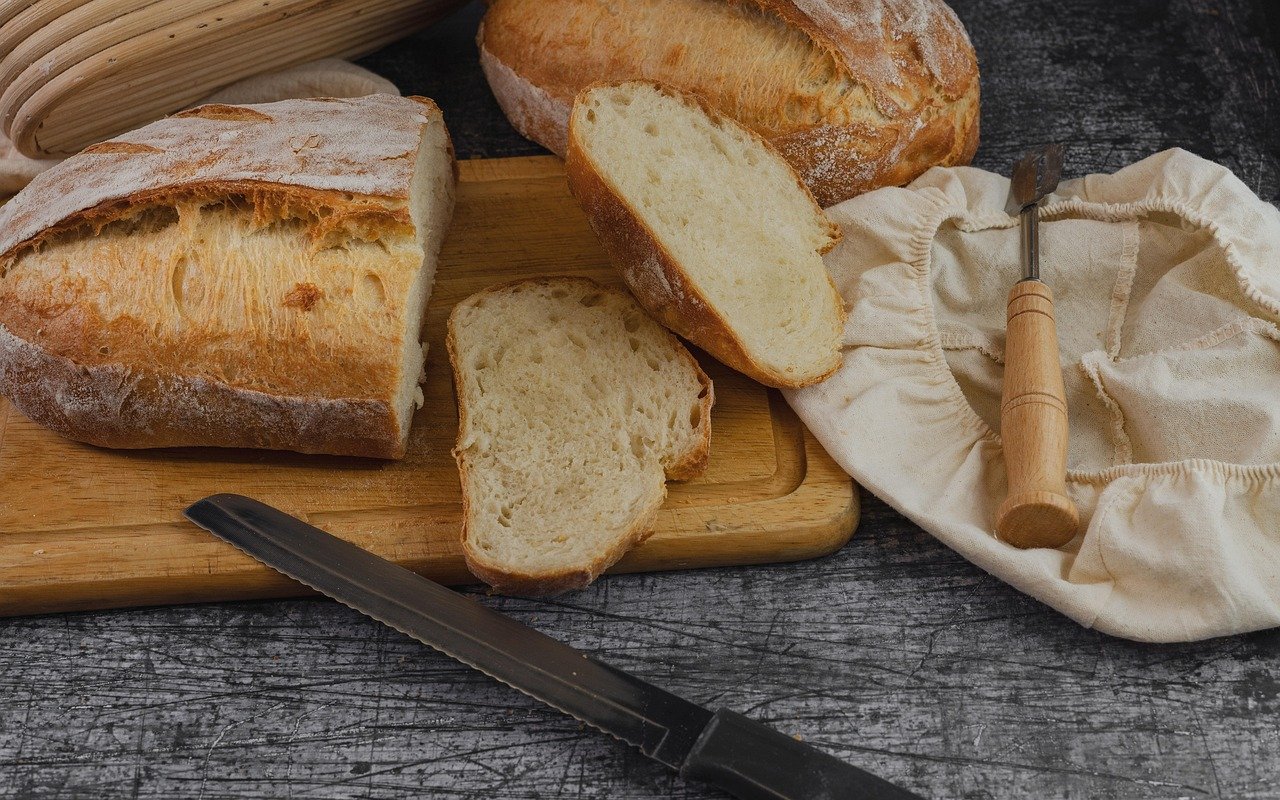
Home knife sets often include a few basic blades, such as a chef’s knife, bread knife, and paring knife. They may not cover specialized needs and can result in inefficient cooking experiences as home cooks might resort to using a multi-purpose knife where a specialized one would be more effective.
Maintenance
Maintenance is essential for prolonging the life of any knife.
Professional Knives:
A professional chef is often skilled in proper knife care, including regular honing and sharpening techniques. They usually employ whetstones or professional sharpening services, as they understand that maintaining a sharp edge is crucial for performance. Professionals also recognize the importance of hand-washing and drying their knives to avoid corrosion.
Home Knives:
Unfortunately, many home cooks may not have the tools or knowledge to maintain their knives properly. This can lead to a rapid decline in performance. Many are tempted to throw home knives in the dishwasher, exposing them to conditions that can dull blades and damage handles. This lack of informed care hampers the knife’s longevity.
Pricing and Investment
When exploring the cost aspect, a significant difference emerges.
Professional Knives:
Professional knives often come at a premium price tag, reflecting their quality, craftsmanship, and performance. Chefs view these knives as long-term investments essential for their careers. A well-cared-for professional knife can last a lifetime and may even be handed down through generations.
Home Knives:
Conversely, home knives tend to be more affordable and readily available in the market. Many cookbooks and kitchenware stores promote these budget options for the casual cook. However, this lower price often incurs sacrifices in performance and material quality, making them less durable in the long run.
Versatility
The versatility of a knife can greatly enhance its functionality in various cooking environments.
Professional Knives:
Professional knives are thoughtfully designed for versatility, making them indispensable in a chef’s toolkit. A quality chef’s knife can tackle an array of tasks—slicing, dicing, mincing—which makes it an all-around essential tool. Chefs often have training that allows them to utilize each type of knife correctly and efficiently.
Home Knives:
Home knives, while functional for basic tasks, may struggle with versatility, especially if they are designed for specific tasks. A home cook might find that their limited knife set cannot accommodate more complex recipes requiring specialized cuts or techniques.
Weight and Balance
A knife’s weight and balance significantly affect the ease of use.
Professional Knives:
Many professional knives are heavier, promoting a natural dropping motion while cutting. This weight can offer more power to the cut, requiring less force from the user. The balanced design allows chefs to make swift, precise cuts without straining their hands, reducing fatigue during long shifts.
Home Knives:
Home knives might be lighter and potentially easier to handle for a novice, but the trade-off often comes in a lack of efficiency. A lightweight design may not provide enough power for certain cutting tasks, leading to more effort and less clean results.
Conclusion
Understanding the differences between professional and home knives can significantly impact one’s culinary experience. By investing in quality professional knives, chefs can enhance their efficiency, precision, and overall enjoyment of cooking. On the other hand, home cooks can benefit from improved performance by carefully selecting elevated kitchen tools that cater to their cooking style, thus elevating their culinary adventures at home.