




Understanding Blade Sharpeners: Types and Their Uses
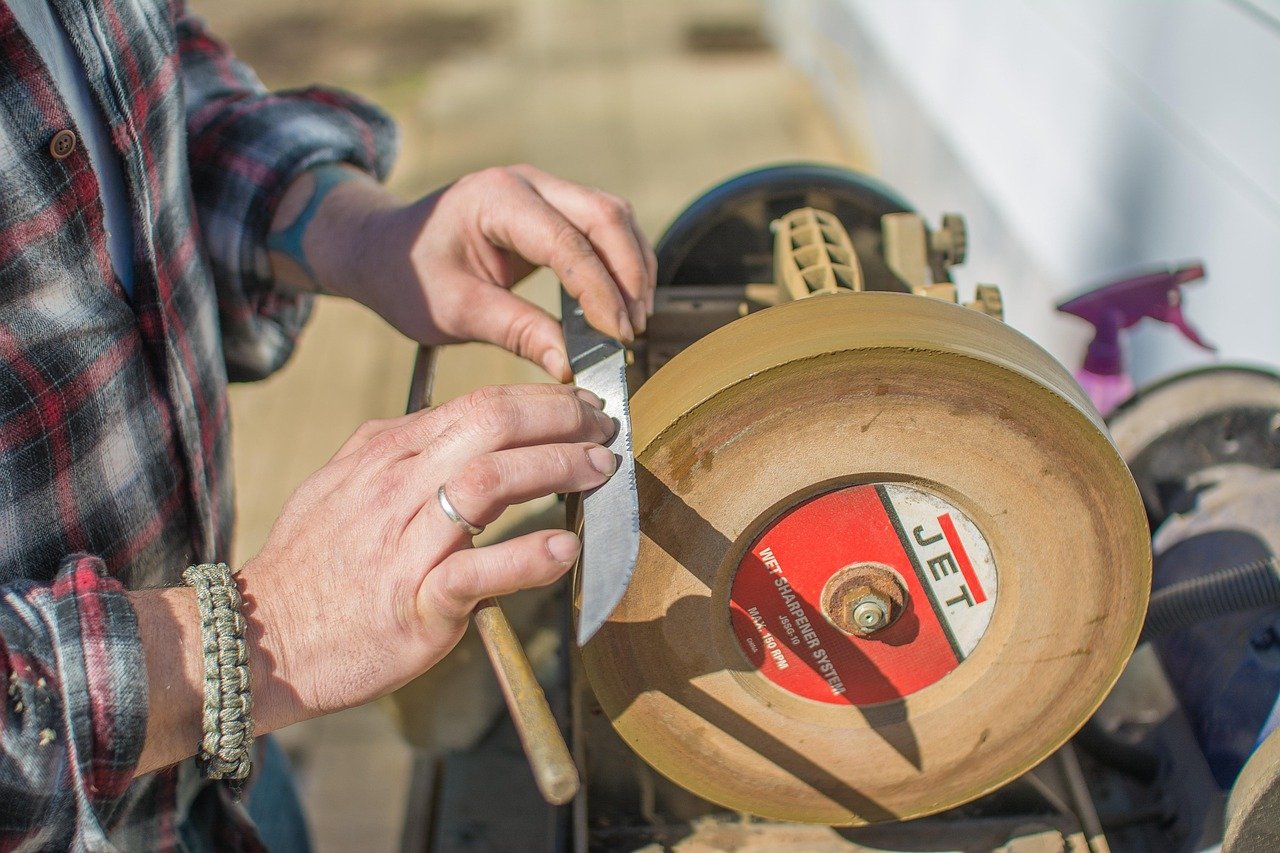
Sharp knives are essential tools in every kitchen. Knife sharpeners come in various types, including manual sharpeners, electric sharpeners, and whetstones. Each type has its unique characteristics, uses, and safety precautions. Manual sharpeners often feature a simple design with a slot where you pull the blade through. Electric sharpeners use motors to grind the blade at the perfect angle, while whetstones require more skill and practice but provide excellent results. Understanding these tools is crucial for safe and effective knife sharpening.
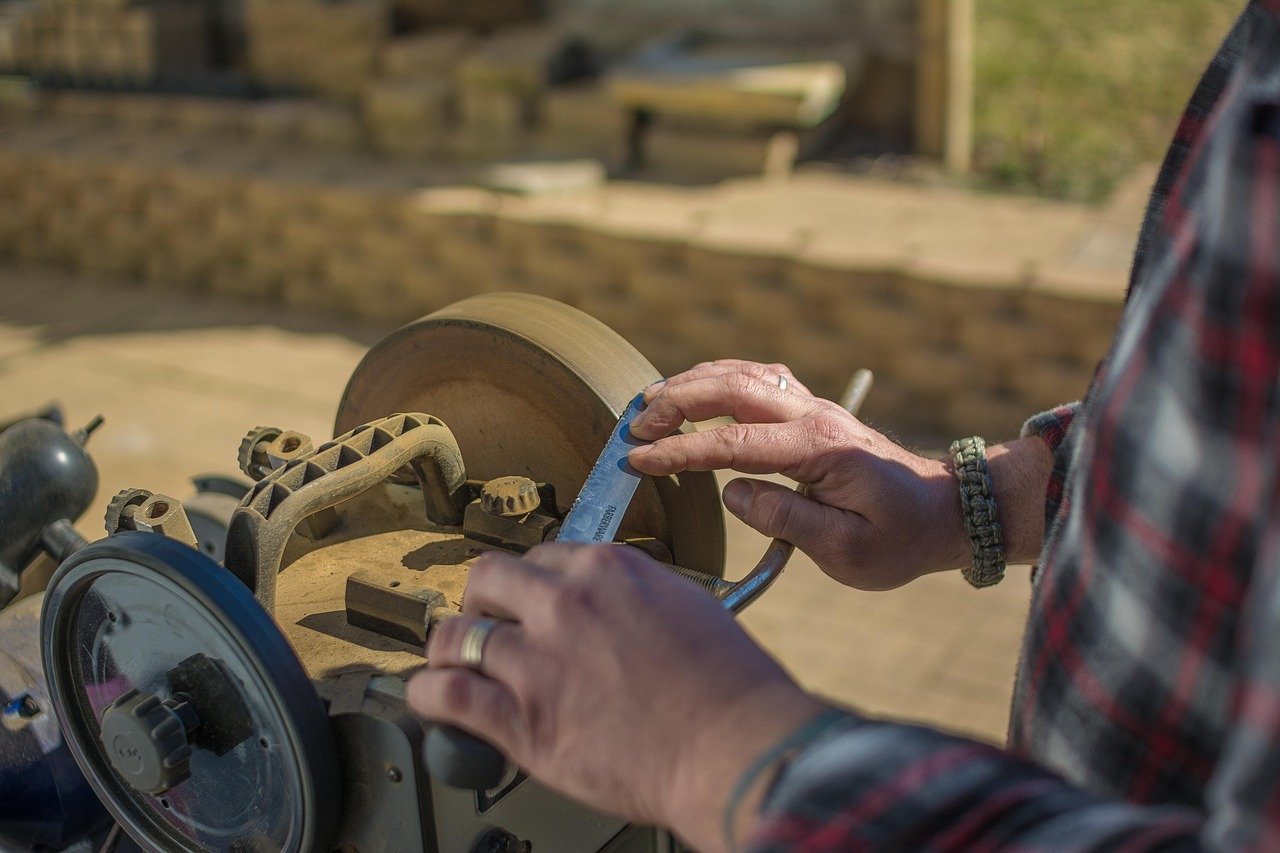
Proper Grip and Positioning
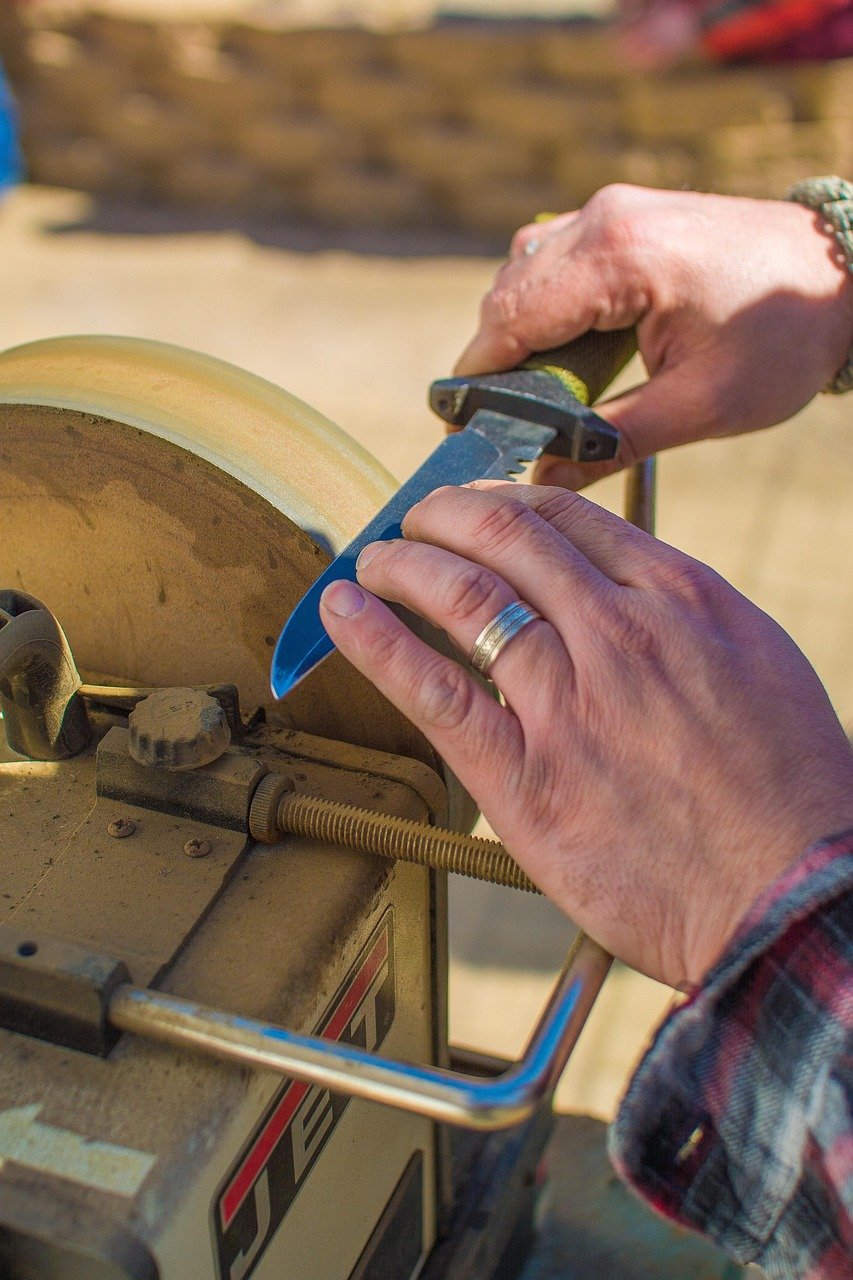
When using a blade sharpener, proper grip and positioning of the knife are paramount. Always hold the handle firmly with your dominant hand while maintaining control over the blade’s angle. For manual sharpeners, position the sharpener on a non-slip surface. Ensure that your other hand keeps a safe distance from the blade. For whetstones, secure the stone on a stable surface or use a stone holder for added safety. Keeping fingers clear from the sharpening area is a vital precaution that minimizes the risk of injury.
Choosing the Right Sharpener
Selecting the appropriate sharpener based on your knives is crucial for both effectiveness and safety. If you have high-quality chef’s knives, a whetstone or manual sharpener allows for precision honing. Cheaper knives may be suitable for electric sharpeners; however, always check the manufacturer’s recommendations. Always read product reviews and ratings to ensure the sharpener is safe and effective. Selecting a sharpener that matches your experience level helps mitigate accidents and enhance the sharpening experience.
Blade Angle Awareness
Understanding the correct angle for sharpening is vital. Knives typically require a sharpening angle between 15 to 20 degrees, depending on the knife’s design and purpose. Many manual sharpeners come with built-in angle guides which help maintain the correct position during sharpening. For whetstone users, practice is crucial to achieving consistent angles. Maintaining the correct angle not only preserves the blade’s integrity but also reduces the likelihood of slipping, thus preventing injuries.
Safety Gear
Using protective gear while sharpening knives can significantly reduce the risk of injury. Cut-resistant gloves offer additional safety when using sharpeners, especially for beginners. Safety goggles are advised if you’re using an electric sharpener to protect your eyes from potential debris. Protective gear allows you to focus on the sharpening process without worrying as much about potential accidents, enhancing your overall sharpening experience.
Environment and Workspace
Creating a safe workspace minimizes distractions and potential hazards. Use a well-lit area that provides clear visibility of the knife’s edge and sharpeners’ mechanisms. Keep your workspace organized and free of clutter to prevent accidents. Avoid working near wet surfaces, which increase the risk of slipping. It’s also essential to keep children and pets away from your sharpening area to ensure a safe environment.
Technique Matters
Proper technique plays a significant role in both sharpening efficiency and personal safety. Always pull the blade in the direction away from your body when using sharpeners. For manual tools, draw the knife through the sharpening slot with a smooth, steady motion rather than forcing it through. For whetstones, push the knife gently across the surface. A consistent, controlled motion reduces the likelihood of accidents and helps achieve a sharper edge effectively.
Cleaning and Maintenance of Your Sharpener
After using a blade sharpener, clean it according to the manufacturer’s instructions. Keeping sharpeners free from debris ensures their longevity and effectiveness. For manual and electric sharpeners, wipe surfaces with a damp cloth. Whetstones should be cleaned by rinsing under water and ensuring they dry completely before storage. Proper maintenance of sharpening tools reduces risks associated with using dirty or damaged equipment.
Recognizing Dull Knives
Understanding the signs of a dull knife is crucial to maintaining safety in the kitchen. A dull knife requires more force to cut, increasing the risk of slipping and resulting in accidental cuts. Common indicators of a dull blade include difficulty slicing through food, the need for excessive pressure while cutting, and unsatisfactory results from previous sharpenings. Regularly assess your knives and sharpen them promptly to ensure optimal performance and reduce the risk of accidents.
Education and Skill Development
Improving your sharpening skills can decrease reliance on professional services and increase safety. Consider taking classes or viewing instructional videos to learn proper techniques and best practices. Many resources are available online, offering expert advice and tips. Additionally, practice frequently on less expensive knives before moving on to high-quality ones. Developing skills and knowledge allows for greater confidence in using sharpeners safely.
Blade and Sharpener Compatibility
Ensure that the knife and sharpener are compatible to prevent damage to either. Not all sharpeners are suitable for every knife. For example, serrated knives require specialized sharpeners. Always check product information and guidelines before using a sharpener on a specialized blade. Using the wrong type of sharpener increases the likelihood of blade damage, leading to potential safety issues.
Following Manufacturer Instructions
Each knife sharpener comes with specific guidelines for safe use. Always read and follow these instructions thoroughly to avoid accidents and ensure effective sharpening. Most manuals provide valuable safety tips, including handling procedures, care instructions, and more. Adhering strictly to manufacturer recommendations helps you utilize your sharpener safely and efficiently.
Regular Checks and Calibration
For electric sharpeners, regular checks and calibration are essential to ensure safety and effectiveness. Over time, the sharpening stones may wear down, affecting their ability to sharpen properly. Many sharpeners come with a maintenance schedule in the user manual. Regular checks will help ensure that your machine is operating correctly and safely.
Dealing with Accidents
Despite all precautions, accidents can happen. Always keep a first-aid kit accessible in case of minor cuts or injuries. Familiarize yourself with basic first aid protocols, such as cleaning wounds and stopping bleeding. Know when it’s necessary to seek medical attention, such as with deep cuts. Being prepared for accidents significantly increases safety while sharpening knives.
Respecting the Edge
Lastly, always respect the sharp edge of the blades and sharpeners. Treat your knives with care and never use them for unintended purposes, like prying or unscrewing. Using a sharp knife improperly can lead to injuries not only to yourself but also to others. Respecting the tools and their intended uses will ultimately enhance safety and prolong their lifespan.
Reminder on Food Safety
When using sharpened knives, ensure that your cutting surfaces are clean and suitable for food preparation. Proper hygiene can prevent accidents related to cross-contamination and promote overall safety when preparing meals. Clean knives after use, particularly before switching between different food items. Keeping your knives and sharpeners in pristine condition will significantly enhance kitchen safety.
Consistent adherence to these safety tips will lead to proficient and safe knife sharpening practices in your kitchen or workspace.

