


Safety Tips for Using Sharp Knives in the Kitchen
Understand Your Knives
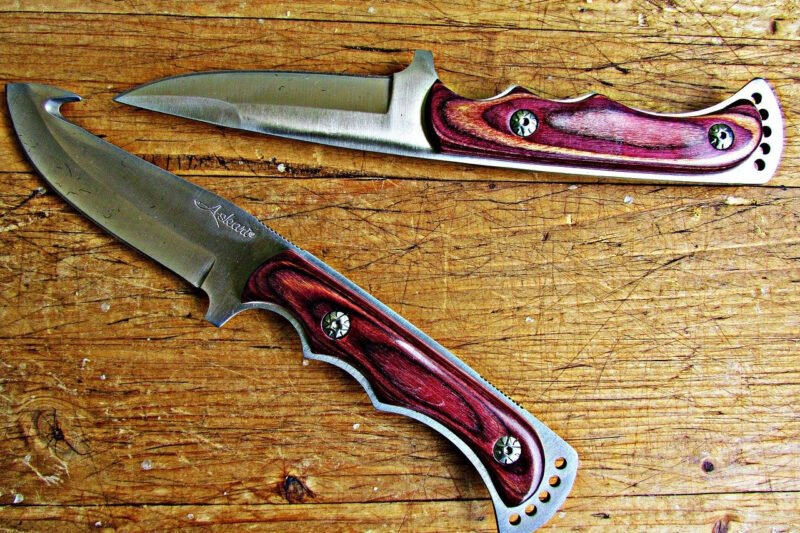
Before using any knife, it’s essential to familiarize yourself with its design and purpose. Different knives, from chef’s knives to paring knives, each serve unique functions. A chef’s knife is versatile for slicing, dicing, and chopping, while a paring knife is ideal for peeling and intricate work. Understanding knife anatomy, including the blade, handle, and bolster, is vital in ensuring a safe grip and effective use. Selecting the right knife for the task minimizes accidents and enhances your cooking experience.
Choose the Right Knife
Using the correct knife for the job not only ensures cleaner cuts but also reduces the risk of accidents. Avoid using dull knives, as they require more force and increase the likelihood of slips. Invest in quality knives for better safety and performance. Regularly assess your knife collection, discarding any blades that have become damaged or excessively dull. It is also worth noting that specialized knives, such as serrated bread knives or fillet knives, should be used appropriately to maximize effectiveness and minimize risks.
Maintain Your Knives
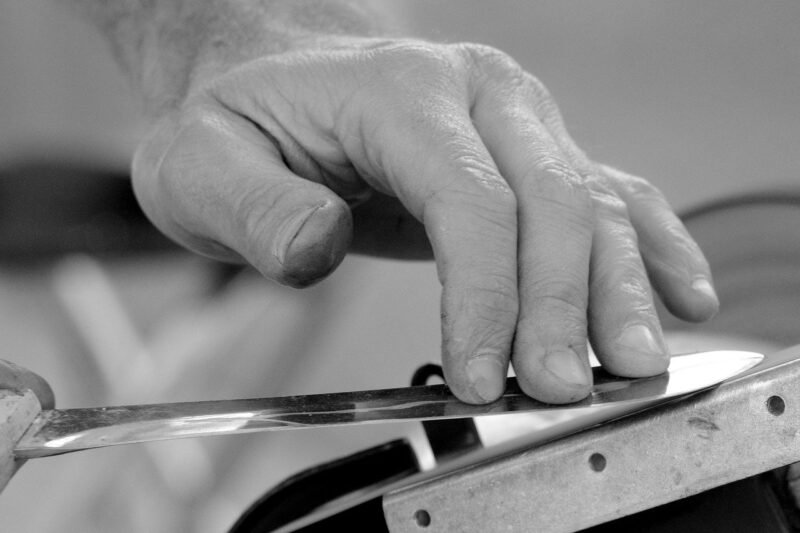
Proper maintenance is crucial for knife safety. Regularly sharpen your knives to prevent dull edges, which can lead to accidents. Employ a sharpening stone or a knife sharpener suitable for your knife’s type and material. Additionally, clean knives thoroughly after each use, ensuring that food residue is removed. This practice helps maintain hygiene and prevents bacterial growth. Avoid leaving knives soaking in water, as this can lead to unnoticed damage and potential injuries when reaching for them later.
Use a Cutting Board
Always use a stable cutting board that is large enough for the items you are cutting. A wooden or plastic cutting board is preferable, as glass or marble boards can cause dulling of the blade. Ensure the cutting board is stable; if necessary, place a damp cloth or a paper towel underneath it to prevent slipping while working. Position your cutting board at a comfortable height to reduce strain, and keep it clutter-free.
Proper Handling Techniques
When handling knives, always hold them by the handle with a firm grip; never try to catch a falling knife. When passing a knife to someone else, lay it down on the counter or a cutting board rather than handing it directly. Communicate clearly if someone else is nearby and inform them that you are about to pass or use a knife to avoid distractions or sudden movements that could lead to accidents.
Cut Away from Your Body
When cutting, always direct the blade away from your body. This technique minimizes the risk of accidental self-injury. Utilize the ‘claw grip’ technique with the food that you are cutting: curl your fingers inward, and use the knuckles to guide the knife down. This grip helps protect your fingers while allowing for precision cutting. Maintain a controlled and even speed to help ensure accuracy and safety.
Store Knives Safely
The way you store your knives is just as crucial as how you use them. Consider using a magnetic knife strip, knife block, or a designated knife drawer with a protective insert. Avoid storing knives loose in drawers where they can become damaged or pose a risk during retrieval. Always ensure that blades are covered or stored safely away from children and pets.
Wear Protective Gear
While it may seem unnecessary, wearing protective gear, such as cut-resistant gloves, can provide an extra layer of safety when handling knives, especially during intricate tasks or when using unfamiliar techniques. Ensure that gloves are designed specifically for kitchen use, allowing you to maintain grip and dexterity. Non-slip shoes can also help prevent falls during cooking, especially in a busy kitchen environment.
Keep Your Workspace Clear
Maintaining a clean and organized workspace is critical for knife safety. Ensure that there are no distractions, such as clutter, loose papers, or spills, which can lead to slips or accidents. Designate a specific area for food preparation and try to limit movement around that space. It’s also wise to keep children and pets out of the cooking area while using knives, as accidents can occur in a split second.
Know First Aid for Cuts
Even the most cautious chef may experience cuts and scrapes. Familiarize yourself with basic first aid procedures for minor knife injuries. For small cuts, immediately apply soap and water to clean the wound, followed by applying a sterile bandage. For deeper cuts, apply pressure until the bleeding stops and seek medical attention if necessary. Understanding how to respond effectively can mitigate the severity of injuries.
Avoid Distractions
While cooking can be an enjoyable task, staying focused is essential for safety. Avoid multitasking while using sharp knives—this includes texting, watching TV, or engaging in conversation with others. Concentrate on the task at hand to improve your focus and reduce the likelihood of accidents. Set aside dedicated time for cooking, allowing yourself the mental space to engage safely.
Learn Basic Knife Skills
Enhancing your knife skills can lead to greater confidence and safety in the kitchen. Consider taking a knife skills class or watching instructional videos online to learn proper techniques for different cuts. By mastering skills like chopping, mincing, and julienning, you reduce the chances of accidents. Greater proficiency means more precise cuts and less time spent fumbling with the knife.
Respect the Knife
A knife is a powerful tool that should be treated with respect. Avoid using knives for tasks they’re not designed for, such as prying open cans or opening packages. Misusing knives increases the likelihood of accidents and could lead to damage to the blade or injury. Acknowledging the knife’s potential risks encourages mindfulness while working with it.
Involve Others in Safety Practices
If you share your kitchen with others, such as family members or roommates, ensure that everyone follows the same safety practices concerning knife use. Educating others about handling knives, storage, and cleaning techniques promotes a culture of safety in the kitchen. Encourage regular discussions about safety and create a shared commitment to maintaining a safe cooking environment.
Practice Safe Cutting Techniques
When cutting various foods, be mindful of your grip and body positioning. For instance, when cutting round items like onions or tomatoes, stabilize them first by slicing a small piece off to create a flat surface. This practice reduces the chance of slipping. For more extensive vegetables, cut them into manageable sizes before tackling them with your knife.
Invest in Quality Knives
While it may be tempting to opt for budget-friendly knives, investing in quality kitchen knives pays off in the long run. High-quality knives are crafted for safety, comfort, and precision. A well-balanced knife with a comfortable handle decreases hand fatigue and increases control. This is especially vital for extended cooking sessions or intricate preparations.
Evaluate Lighting and Visibility
Good lighting in the kitchen plays a crucial role in knife safety. Ensure that areas where you prep and cut food are well-lit, preventing shadows that might lead to miscalculations. If necessary, utilize additional task lighting to enhance visibility. Proper lighting complements proper cutting techniques and instills confidence while using knives.
Know Your Limits
Finally, it’s essential to acknowledge your skill level and experience with knives. If you feel uncomfortable or overwhelmed, don’t hesitate to seek assistance from someone more experienced. Practice patience and gradual improvement, as confidence grows with familiarity. Always aim for safety first, prioritizing your well-being in the kitchen over speed or efficiency.
By following these safety tips, you can improve your knife skills and create a safer cooking environment. Understanding your tools, maintaining proper techniques, and fostering a safe atmosphere will enhance your culinary experience while minimizing risks.