



Sharp Knives vs. Dull Knives: Why Sharpness Matters in the Kitchen
The Importance of Knife Sharpness
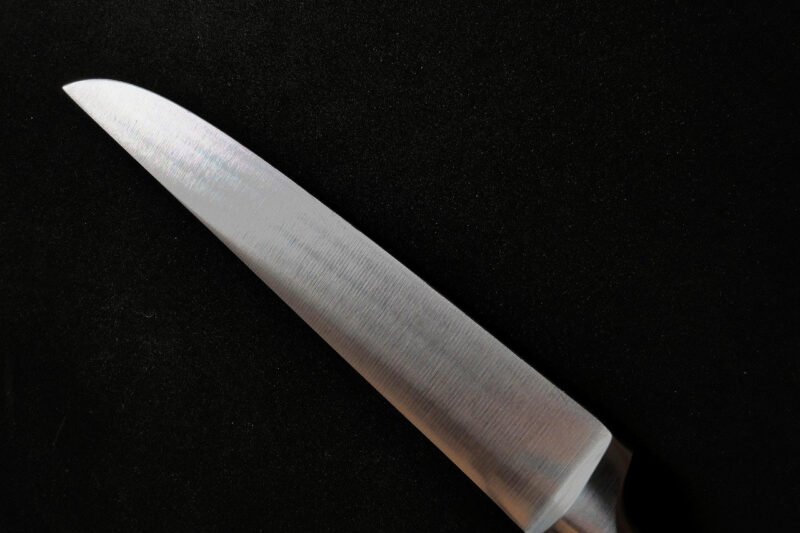
In any kitchen, the sharpness of your knives can dramatically affect your cooking experience. Sharp knives are not just a matter of preference; they can significantly influence the quality of your food preparation, safety, and overall cooking efficiency. A sharp knife facilitates precise cuts, reduces cooking time, and makes the process more enjoyable.
Cutting Efficiency
When you use a sharp knife, you exert less force while cutting. This is crucial for achieving clean cuts, especially with delicate ingredients like herbs, ripe tomatoes, or fish. A sharp blade slices through food with ease, allowing for better control. Dull knives, on the other hand, require excessive pressure, which often leads to uneven cuts. The result is not just an aesthetically unpleasing plate but also impacts the cooking process. For instance, unevenly cut vegetables may cook at different rates, leading to overcooked or undercooked dishes.
Safety Considerations
It may come as a surprise, but dull knives pose a greater safety risk than their sharp counterparts. A dull blade is more likely to slip off the surface of the food rather than cut through, increasing the likelihood of accidents and injuries. A sharp knife, while capable of cutting through tougher items, allows for precise control, enabling a more focused cutting technique. This, combined with proper cutting skills, significantly lowers the risk of accidents.
Food Quality and Presentation
Sharp knives contribute immensely to the quality and presentation of food. Clean, precise cuts retain the structure of fruits and vegetables, preserving their textures and flavors. For example, a sharp knife will produce beautifully julienned carrots, while a dull knife will mash them, resulting in a less appealing dish. In fine dining and gourmet cooking, the presentation is key, and sharp knives ensure that every ingredient looks as good as it tastes.
Ingredient Preservation
When you utilize a sharp knife, you minimize cellular damage to the food being cut. Dull knives tear and crush the fibers of fruits and vegetables, leading to a loss of juices and essential nutrients. For example, when cutting herbs, a sharp knife will create clean cuts, preventing bruising and preserving the oils that contribute to flavor. Dull knives increase oxidation, causing browning and diminishing the freshness and taste of your ingredients.
The Role of Knife Maintenance
Maintaining sharpness is integral to a good knife’s lifespan. Regular honing or professional sharpening will keep your knives operating at peak performance. Honing, done with a honing steel, realigns the edge of the blade without removing material. In contrast, sharpening is a more comprehensive process that involves grinding away metal to create a new edge. Depending on usage frequency, knives should be sharpened approximately every 6 to 12 months.
Honing vs. Sharpening
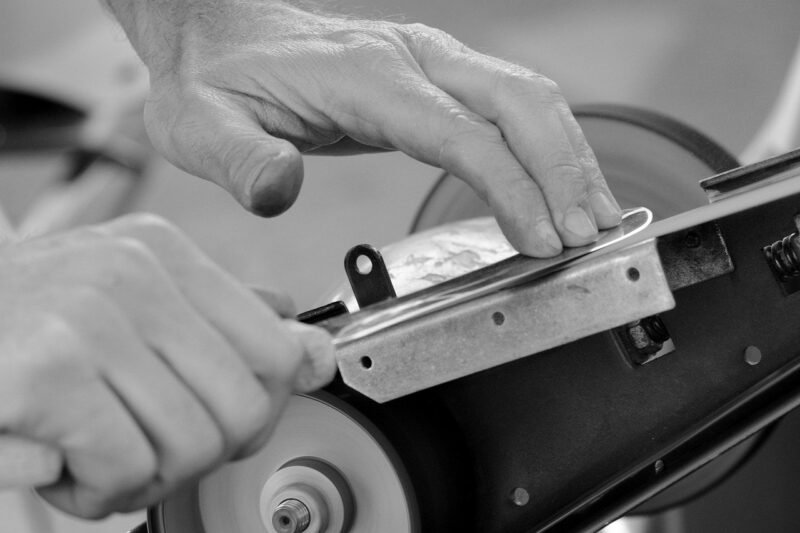
Honing is a quick routine that should be done before each use, ensuring that a knife stays aligned. On the other hand, sharpening should be scheduled more infrequently and utilizes specialized tools like whetstones, electric sharpeners, or professional services. Educating yourself on these maintenance techniques ensures that your knives will contribute positively to your cooking for years to come.
Types of Knives and Their Sharpness
Different knives serve different purposes, and the importance of sharpness can vary based on the task.
- Chef’s Knife: This versatile knife should always be kept sharp, as it faces a range of cutting tasks, from mincing garlic to slicing meat.
- Paring Knife: Essential for intricate tasks like peeling, a sharp paring knife provides the precision needed for detailed work.
- Bread Knife: While serrated knives don’t need to be as sharp as straight-edged knives, sharp serrations are crucial for cleanly slicing through crusty loaves without crushing them.
- Filleting Knife: For delicate fish filleting, a very sharp blade allows for clean, smooth cuts vital for maintaining the integrity of the fillet.
Culinary Techniques Enhanced by Sharp Knives
The use of sharp knives enhances a variety of culinary techniques:
- Chopping: Precise cuts become easier, allowing for uniform cooking.
- Slicing: Cuts become neater, showcasing the food’s natural beauty.
- Dicing: A sharp knife can transform larger pieces into smaller, even cubes efficiently.
- Mincing: A sharp blade cuts herbs and garlic finely without bruising.
Using dull knives for these techniques can lead to frustration and unsatisfactory results, encouraging cooks to abandon attention to detail or culinary ambition.
Tools for Keeping Knives Sharp
Investing in a good quality sharpening tool is essential for maintaining your cutlery. Here are a few tools worth considering:
- Whetstone: A staple for professional chefs, whetstones allow for a customizable sharpening angle and grit finish.
- Electric Sharpener: Ideal for home cooks, they provide a quick and consistent sharpening service.
- Honing Steel: A must-have for everyday use, honing steels help maintain the sharpness between sharpenings.
Each of these tools has its advantages, allowing cooks to choose based on preference and skill level.
Common Myths About Knife Sharpness
A few myths surround knife sharpness that can mislead both novice and experienced cooks:
- Myth 1: “A knife’s sharpness doesn’t affect its usage.” This is false; sharpness dramatically impacts your cooking experience.
- Myth 2: “You only need to sharpen knives once a year.” In actuality, regular honing is essential, and sharpening frequency depends on usage.
- Myth 3: “Any knife will do for all tasks.” Each knife has a designated purpose, and using the appropriate one is vital for achieving best results.
Shopping for the Right Knife
When purchasing knives, prioritize quality over cost. A well-made knife will hold its edge longer, making it a worthwhile investment. Considerations should include:
- Blade Material: Look for high-carbon stainless steel, which balances sharpness and durability.
- Handle Comfort: A good grip improves control, contributing to safety and precision.
- Weight and Balance: The knife should feel comfortable in your hand, as fatigue can increase the likelihood of accidents.