


Understanding Ceramic and Stainless Steel Blades
1. Composition and Structure
Ceramic blades are crafted from high-tech ceramics, primarily zirconia. This material is renowned for its hardness, boasting a rating close to that of diamonds. Ceramic’s structure contributes to its extreme sharpness and edge retention but also makes it more brittle, susceptible to chipping and breaking under pressure.
In contrast, stainless steel blades are made from an alloy, primarily iron mixed with chromium and other metals. The chromium content helps resist corrosion while ensuring that blades can be durable and flexible. Stainless steel is generally less hard than ceramic but has superior toughness, enabling it to withstand more force without chipping.
2. Sharpness and Edge Retention
Ceramic blades maintain their sharpness significantly longer than stainless steel blades. While a ceramic knife can slice through fruits and vegetables effortlessly for years without needing honing, stainless steel requires regular sharpening to maintain its edge. The hardness of ceramic allows it to resist dulling; however, once a ceramic blade becomes dull, sharpening is a complicated procedure.
Stainless steel offers a compromise: while it dulls more quickly, it can be easily sharpened at home or professionally with whetstones or sharpening tools, making it versatile for frequent use.
3. Sharpening Methods
When it comes to sharpening, the methods differ markedly for ceramic and stainless steel blades.
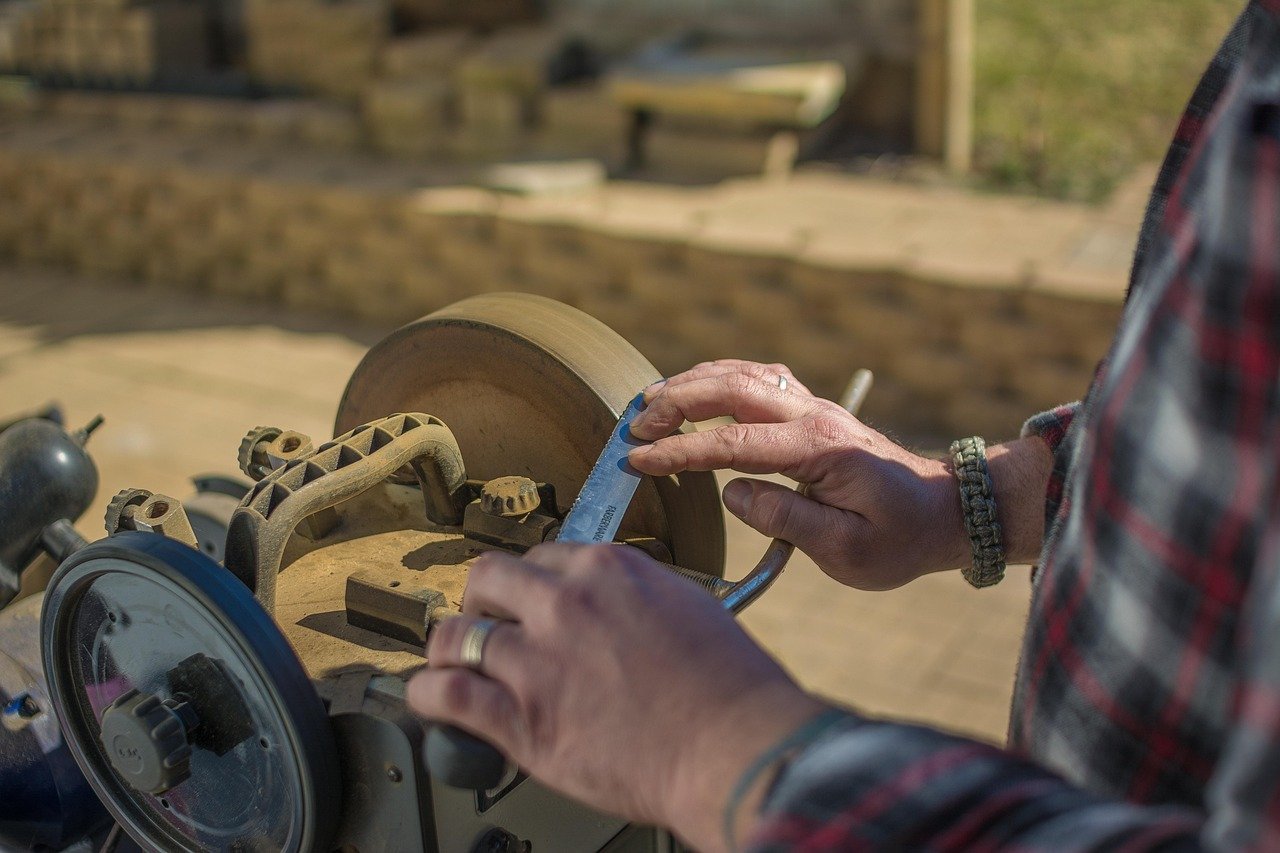
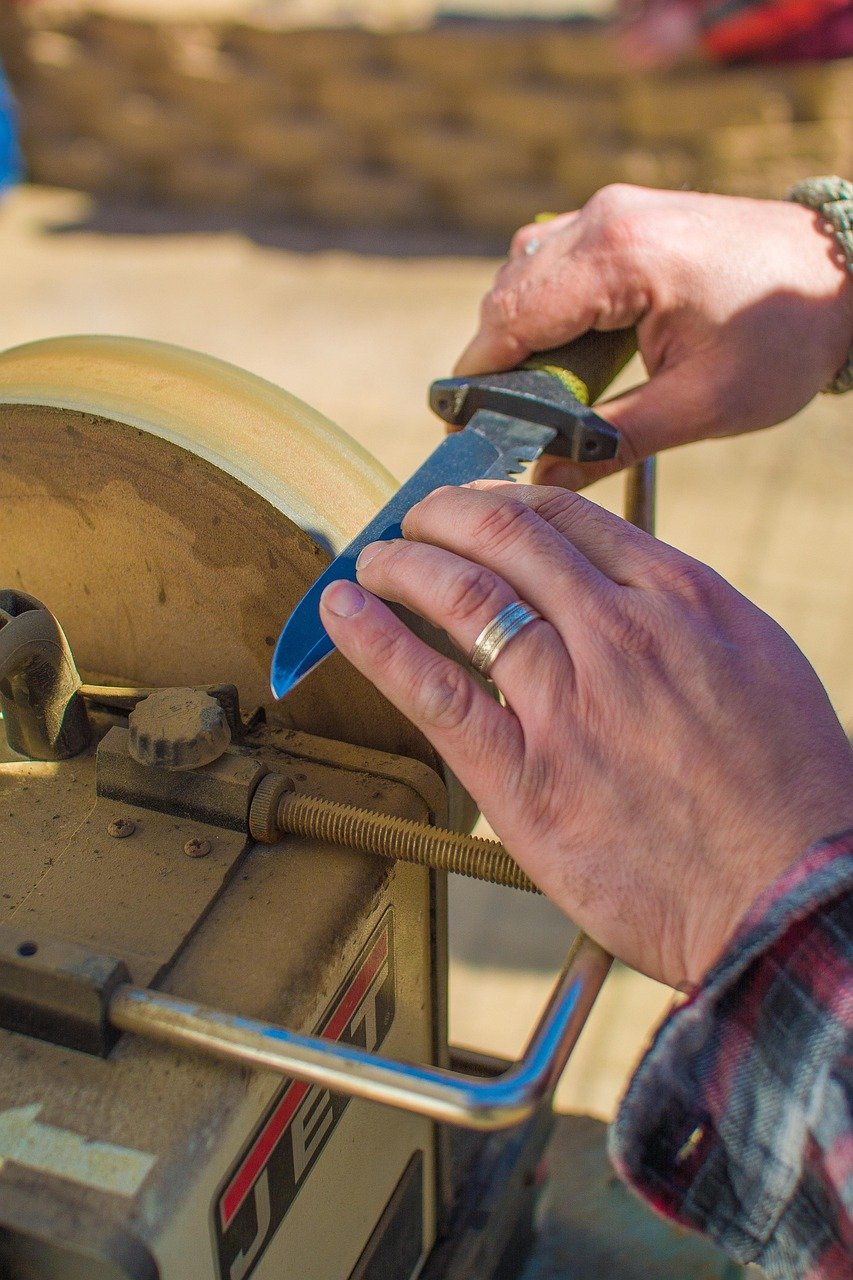
Ceramic Blades: The extremely hard surface of ceramic necessitates specific sharpening tools like diamond sharpeners or electric sharpeners designed for ceramics. When attempting to sharpen a ceramic blade manually, one should exercise caution due to the brittleness of the material. If a ceramic blade becomes excessively dull or chips, replacement is often a more viable solution than attempting to sharpen it.
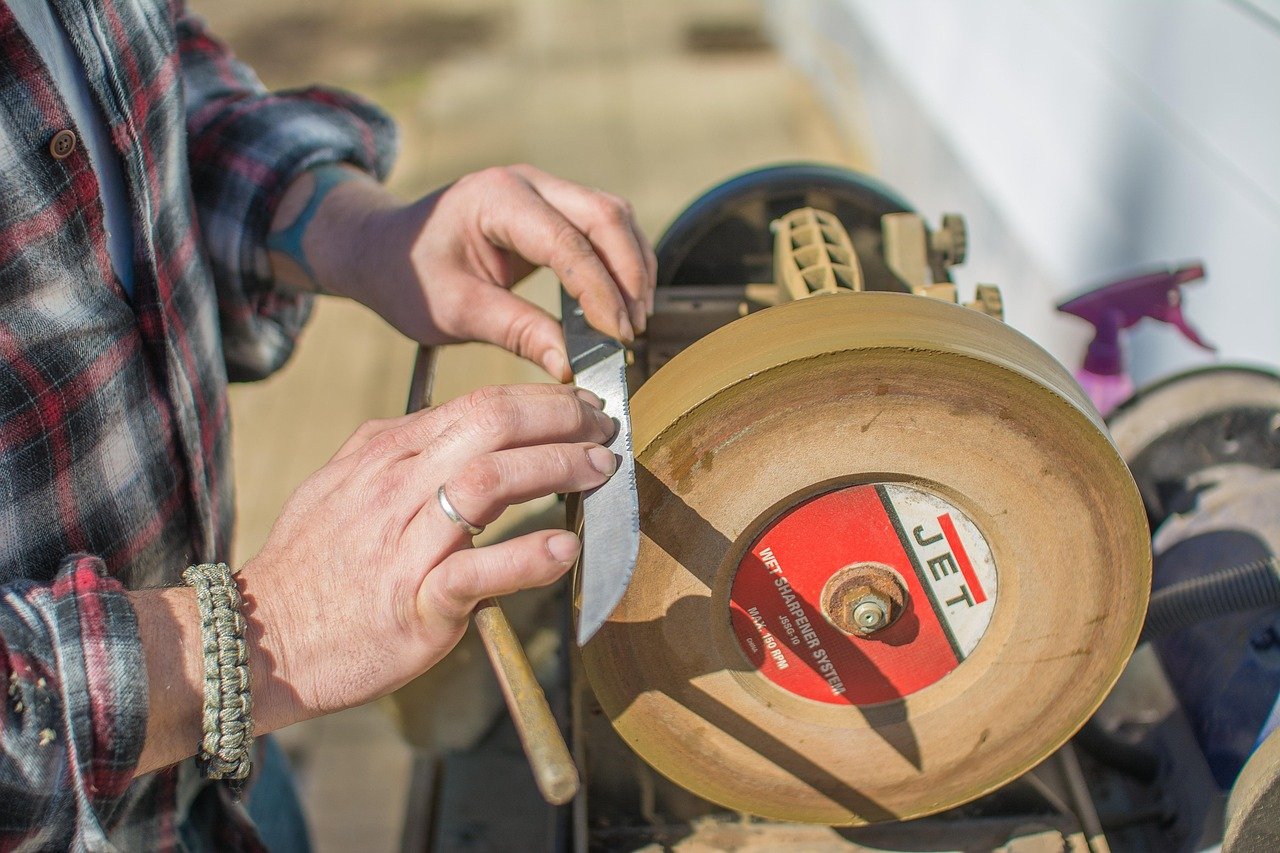
Stainless Steel Blades: These can be sharpened with various tools and techniques. Traditional whetstones, honing rods, and electric sharpeners provide workable solutions. For beginners, a guided electric knife sharpener can produce satisfactory results. Using a whetstone allows for greater control over the thickness and angle but demands practice and skill to master effectively. The common angle for sharpening is between 15-20 degrees, depending on the type of blade and its intended use.
4. Maintenance and Care Requirements
Maintaining ceramic blades involves less frequent sharpening but demands careful handling. Avoid using them to cut hard substances (like bones) or twisting motions that could lead to chipping. Cleaning is straightforward; just rinse under water and dry immediately.
Stainless steel blades require regular honing, which can be done before and after use to maintain edge alignment. Stainless knives can withstand a wider range of cleaning methods, although hand washing is still recommended to preserve blade integrity.
5. Costs and Accessibility
Ceramic knives can be relatively more expensive upfront due to the manufacturing process but often save users money in the long run due to their edge retention. However, their specific sharpening needs can add to the overall cost when maintenance is considered.
Stainless steel knives come in a broader range of price points, making them accessible for various budgets. Affordable options are available for home chefs, while high-end models used by professionals can command premium prices.
6. Practical Applications
Ceramic blades excel in slicing fruits and vegetables. Their non-reactivity with acidic foods makes them ideal for culinary tasks. For delicate tasks where precision is key, ceramic knives shine due to their lightweight and acute sharpness.
Conversely, stainless steel blades are more versatile in terms of functionality. They can handle tougher tasks, from cutting meats to jointing poultry. Their resilience to impact means users can utilize stainless steel knives in demanding kitchen environments without the fear of breakage.
7. User Preferences and Experience
The choice between ceramic and stainless steel often boils down to individual user preferences. Novice cooks may prefer stainless steel due to the ease of maintenance and ability to sharpen with simpler tools.
More experienced chefs may lean towards ceramic for its long-lasting sharpness, particularly if they are dealing with a lot of fruits and vegetables. Additionally, the feel and weight of a knife can influence user satisfaction; ceramic knives are generally lighter, which some may find beneficial while others prefer the heft of stainless steel for balanced control.
8. Environmental Considerations
From an environmental standpoint, stainless steel has the upper hand. Its recycling capabilities are more established, thus mitigating waste concerns when a blade reaches the end of its life. Ceramic, being manufactured from synthetic materials, presents disposal challenges as it is not easily recyclable.
Both materials also have their respective impacts during production; for instance, the mining of metals for stainless steel creation can have environmental implications, however, the energy requirements for producing advanced ceramics also influence carbon footprints.
9. Conclusion on Personal Preference and Usage
Ultimately, the decision between ceramic and stainless-steel knives will depend on personal cooking styles and preferences.
Ceramic blades excel in cut quality, edge retention, and lightweight construct suitable for slicing, while stainless steel blades provide overall versatility, resilience, and ease of maintenance. The perfect kitchen tool depends on specific culinary needs, comfort during use, and awareness of longevity and maintenance aspects.
Selecting the right knife greatly enhances cooking experiences, making care, and maintenance essential for any serious culinary enthusiast. Understanding the nuances of each knife type empowers users to make informed decisions based on their cooking style and frequency of use.