



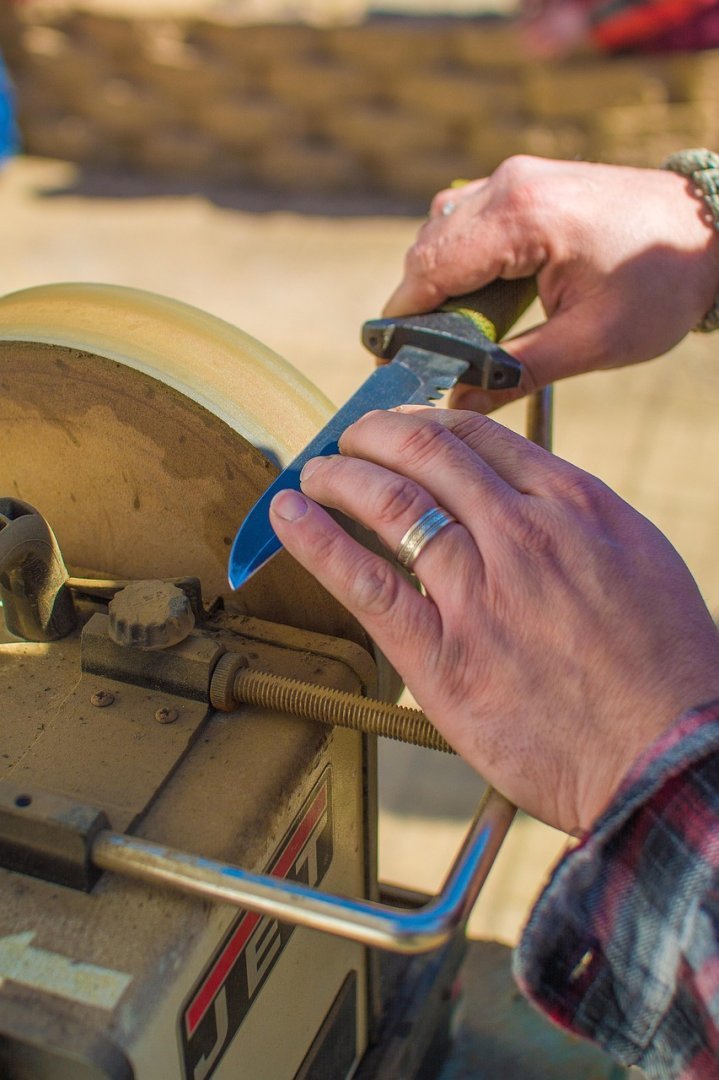
Understanding Sharpening Techniques
1. Whetstones: The Classic Choice
Whetstones, or sharpening stones, are traditional tools essential for achieving a fine edge on knives and tools. Their effectiveness lies in their ability to provide consistent sharpening without altering the blade’s geometry significantly.
1.1 Types of Whetstones
Natural Whetstones: Formed from natural minerals, these stones vary in grit and offer unique sharpening qualities. Examples include Arkansas stones, which are known for producing a polished edge, and Japanese water stones that provide quick material removal.
Synthetic Whetstones: Made from man-made materials, these stones often feature a consistent grit and are available in a wider variety of options. They can be categorized into different grits, typically ranging from coarse (200-600 grit) to fine (8000 grit and above).
1.2 Choosing the Right Grit
The grit of a whetstone determines its sharpening capability:
- Coarse (200-600 grit): Ideal for repairing chips and reshaping edges.
- Medium (1000-3000 grit): Suitable for general maintenance and creating a sharp edge.
- Fine (4000-8000 grit): Used for honing and polishing, producing a razor-sharp finish.
1.3 Techniques in Using Whetstones
To sharpen effectively with a whetstone, follow these steps:
- Preparation: Soak water stones in water for 10-15 minutes before use. This helps the stone remain lubricated, preventing damage to both the stone and the blade.
- Angle: Maintain a constant angle of 15-20 degrees for optimal results. Specialized guides can assist in ensuring this angle remains consistent.
- Stroke Direction: Use a sweeping motion, pushing the blade away from you, alternating between sides to avoid uneven wear.
- Cleaning: After use, rinse the stone to remove metal filings, which can clog the surface.
2. Steel: The Maintenance Tool
While whetstones focus on reshaping and sharpening, honing steels are maintenance tools designed for keeping an edge aligned.
2.1 Function and Benefits
- Edge Realignment: Honing does not sharpen in the traditional sense but instead aligns microscopic teeth that bend during use. This prolongs the time between sharpening sessions.
- Materials: Honing steels come in various materials, including steel, ceramic, and diamond. Each offers different benefits, with diamond steels providing the fastest results.
2.2 Techniques with Honing Steel
To use honing steel effectively:
- Proper Grip: Hold the steel vertically with the tip resting on a stable surface. Grip the knife handle firmly, angling the blade approximately 20 degrees.
- Swiping Motion: Starting at the heel of the blade, swipe down the steel towards the tip, ensuring the entire edge comes into contact with the steel.
- Regular Maintenance: Employ regularly—every few uses—to maintain a sharp edge effectively.
3. Electric and Manual Sharpeners
For those seeking convenience or quick results, electric and manual sharpeners offer user-friendly options.
3.1 Electric Sharpeners
Electric sharpeners automate the sharpening process, making them suitable for beginners.
- Operation: Typically, electric sharpeners use rotating abrasive wheels and can have multiple slots for different grit levels. This convenience comes with a risk of over-sharpening or compromising blade integrity if misused.
- Features: Look for models with adjustable angle guides and built-in suction for stabilization.
3.2 Manual Sharpeners
- Design: Manual sharpeners often feature fixed-angle guides, which help maintain the correct sharpening angle. Users simply pull the blade through the designated slots.
- Best Practices: Even though they are easier than whetstones, following manufacturer instructions is essential to avoid damaging the blade.
4. Specialty Sharpening Tools
Some tools cater to more specific needs or types of blades, amplifying the sharpening experience.
4.1 Ceramic Rods
- Functionality: Ceramic rods provide a fine honing capability similar to steel. Their hardness offers excellent durability and use on high-quality knives.
- Usage: Align the knife edge to the rod’s angle and draw the knife down the length of the rod, alternating sides as required. This tool is ideal for maintaining edges between full sharpenings.
4.2 Sharpening Jigs
- What They Are: Sharpening jigs hold the knife securely at the right angle, allowing for precise sharpening with stones or other tools.
- Pros: Particularly beneficial for blades with complex angles (like curved edges) or for those who prefer a guided experience.
5. Safety and Maintenance Considerations
Regardless of the sharpening technique used, safety should always be of utmost priority.
5.1 Safety Tips
- Protective Gear: Always consider wearing cut-resistant gloves, especially when handling very sharp blades.
- Stable Work Surface: Ensure that the sharpening surface is sturdy, minimizing movement that can lead to accidents.
5.2 Maintaining Tools
- Regular Cleaning: Keep sharpening tools clean to enhance their efficiency. Whetstone surfaces should be regularly resurfaced to avoid clogging, while electric sharpeners need occasional internal cleanings.
- Storage: Store sharpening tools in protective cases or designated drawers to prevent accidental damage or injuries.
6. FAQs About Sharpening Techniques
6.1 How often should I sharpen my knives?
The frequency depends on usage intensity; professional chefs may sharpen daily, while home cooks can sharpen every few weeks.
6.2 Can I use a whetstone on all knives?
Most edged tools can be sharpened using a whetstone, including kitchen knives, pocket knives, and even some scissors, but specialized tools may require different techniques.
6.3 Is it better to use a whetstone or a sharpening system?
It depends on personal skill and preferences. Whetstones provide high customization but require practice, while sharpening systems offer ease and convenience for beginners.
7. Conclusion of Techniques and Preferences
Choosing the right sharpening technique largely depends on personal preference, the type of blade, and how often the tool is used. While whetstones provide the most traditional means of sharpening, modern solutions like honing steels and electric sharpeners make maintaining edges more accessible. A well-rounded understanding of these tools and techniques will ultimately result in longer-lasting, sharper blades for all culinary and practical needs.