


Understanding the Importance of Sharp Kitchen Knives
Sharp kitchen knives are essential tools for both professional chefs and home cooks. A well-maintained, sharp knife enhances efficiency and safety in the kitchen, allowing for precise cuts and minimizing the risk of slips or accidents. Recognizing when to sharpen your knives can directly impact the quality of your cooking. Here are the key signs that signal it’s time to bring your kitchen knives back to their optimal performance.
1. Difficulty in Cutting
The Obvious Sign: Struggling with Cuts
One of the most apparent indicators that your kitchen knives need sharpening is when you find it increasingly challenging to cut through food. If a knife requires excessive pressure or force to slice through vegetables, meats, or fruits, it’s a clear sign that the blade has dulled. Sharp knives should glide through food effortlessly, enabling clean, precise cuts.
2. Uneven Cuts
Precision Matters: The Art of Slicing
Another clear sign of dull knives is the production of uneven cuts. If your tomato slices are varying in thickness or you notice ragged edges on your meat, your knife isn’t performing at its best. Uneven cuts not only compromise the presentation of your dishes but can also affect cooking times, as different thicknesses cook unevenly.
3. Noisy Cutting
Listen to Your Knife: The Sound Test
Pay attention to the noise your knife makes while cutting. Dull knives often produce a scraping or dragging sound when cutting through food, while sharp knives create minimal noise. If you notice an increase in the sound levels while slicing, it might be time to sharpen.
4. Torn Food Surfaces
The Details Matter: Signs of Damage
When your knife is dull, it tends to tear rather than slice, which is particularly evident when working with delicate items, such as herbs or tomatoes. A sharp blade will create clean cuts that preserve the integrity of the food. Look for signs of torn edges or squished fruits and vegetables as strong indicators for honing your blade.
5. Rust or Corrosion
Keep an Eye on Blade Health
While not directly correlated with sharpness, any visible rust or corrosion on your knife can impact its cutting performance. Rust can lead to a rough edge, even if the knife isn’t technically dull. It’s important to routinely check your knife for maintenance and store it correctly to avoid rust buildup.
6. Your Knife Snags
The Frustration of The Snagging Knife
Experiencing resistance while cutting can indicate a need for sharpening. A knife that snags or hesitates during cuts can be frustrating to use, affecting both your cooking enjoyment and efficiency. This resistance is often due to a dull edge that cannot smoothly glide through ingredients.
7. The Tomato Test Fails
A Classic Culinary Challenge
The tomato test has become a popular method to assess knife sharpness. If you can’t slice a tomato cleanly without applying pressure or the skin collapses under the knife’s weight, your blade is likely dull. A sharp knife should be able to penetrate a tomato’s skin with minimal effort and produce clean slices.
8. Finger Test Fails
The Feel of Your Blade
Many chefs perform a finger test to evaluate sharpness. Lightly running your finger along the edge of the blade (carefully, as this can lead to cuts) allows you to feel the sharpness of the knife. If the knife feels smooth or lacks a noticeable ‘bite’ against your skin, it’s time to sharpen.
9. Frustration Levels Increase
The Kitchen Mood: Emotional Signals
If you find yourself frustrated during meal prep, this may stem from using dull knives. Cooking should be an enjoyable experience, but struggling with blunt tools makes it tedious. If you feel irritation rising when slicing or chopping, take it as a signal to refresh your knife’s edge. Sharper knives can significantly improve your mood and efficiency in the kitchen.
10. Loss of Precision
Compromised Technique: Talking About Control
For experienced cooks, the ability to control a knife is crucial. A dull knife decreases precision and control when cutting, which can lead to potential injuries or accidents. If you find that your technique is suffering due to the knife’s inability to deliver the expected performance, sharpening should be your next step.
11. Your Knife Slips
Safety First: Risk of Accidents
Accidents in the kitchen can stem from insufficiently sharp knives, as they force users to apply more pressure, increasing the risk of slips and cuts. If you notice that your knife tends to slip off the food rather than slicing into it, sharpen that blade immediately to enhance safety and prevent potential injuries.
12. The Knife and Cutting Board Contact
Pay Attention: Tell-Tale Signs on Your Board
Another indicator is the surface wear on your cutting board. Dull knives might leave consistent grooves or marks on the cutting board, whereas sharp knives tend to glide smoothly. If you notice excessive wear and tear on your board, it might be time to consider the condition of your knife as well.
13. Frequent Use
Understanding Usage: The Wear-Out Factor
Frequent use naturally dulls your knives. For professional chefs or avid home cooks, regular sharpening is necessary to maintain peak performance. Consider your cooking habits; if you use the same knife multiple times a day, integrating a routine sharpening schedule is advisable.
14. Nicks and Dings on the Edge
Visual Inspection: The Blade’s Condition
Inspect your knives regularly for physical damage. Small nicks or dings on the blade’s edge can occur over time due to regular use. These imperfections can hinder your knife’s performance and necessitate sharpening to restore its functional edge.
15. When In Doubt, Sharpen
Normal Wear-and-Tear: Proactive Measures
If you’re ever uncertain about whether your knives need sharpening, err on the side of caution. Preemptive maintenance is always better than waiting until performance dips. Routine sharpening ensures your knives remain effective and can prolong their lifespan, saving you money in the long run.
Knife Sharpening Techniques
Rely on Tools: Methods for Sharpening Rightly
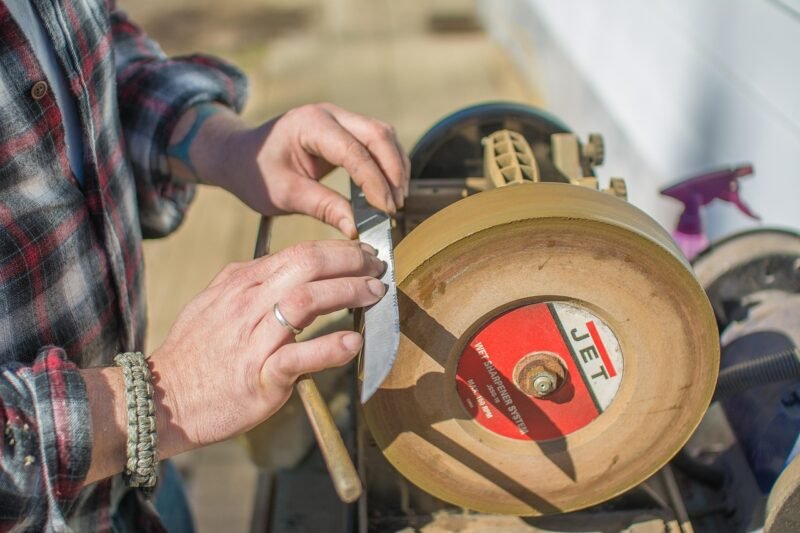
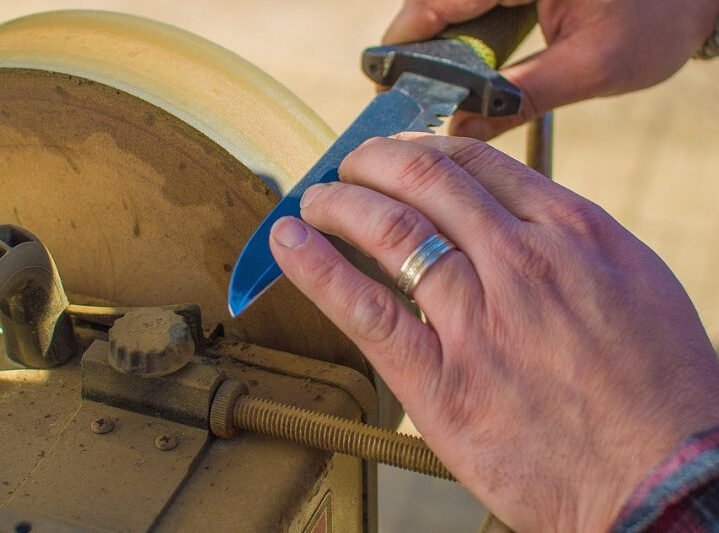
Knowing when to sharpen is just part of the process. Understanding how to sharpen your knives is equally vital, whether using a whetstone, honing steel, or an electric sharpener. The technique employed will depend on your comfort level and knife condition.
Whetstone Sharpening: This traditional method involves precise control and requires practice, making it suitable for those looking to master their knife skills.
Honing Steel: Used primarily for maintenance rather than actual sharpening, honing helps realign the blade’s edge and should be part of regular maintenance.
Electric Sharpeners: These can offer quick sharpening but require careful handling to avoid damaging the blade.
Maintenance Tips
Taking Care: Best Practices for Knife Care
To ensure longevity and performance, it’s essential to care for your knives properly:
- Wash by Hand: Handwashing helps prevent micro-abrasions and damage from dishwashers.
- Dry Immediately: Moisture can lead to rust; always dry your knives promptly.
- Store Safely: Use knife blocks, magnetic strips, or sheaths to protect blades during storage.
- Regular Honing: Use honing steel regularly between sharpenings to maintain edge alignment.
By paying attention to these signs and implementing proper maintenance, you can keep your kitchen knives sharp and ready for action.